Diet
Diet is the first stop . If fast food, toast and pasta are staples in your diet, nothing you do to support your digestion is going to have much effect.
The most common foods that people are sensitive to and can cause inflammation are:
-
Sugars
-
Artificial sweeteners
-
Processed foods
-
Foods fried in processed oils
-
Alcohol
-
Grains
-
Dairy
-
Eggs
-
Soy
In best-case scenarios, simply cleaning up the diet and adding in some temporary digestive support may be all that’s needed to restore gut health.
The Mouth
Chewing. It is essential to pre-digest your food as much as possible with thorough chewing. This takes strain off the stomach, pancreas, and intestines, and reduces your chances of gut inflammation and food intolerances.
First, count how many times you chew to establish your chewing habits. Then get in the habit of chewing until your food is liquid. Doing so will greatly aid the rest of your digestion.
The Stomach and Hydrochloric Acid
As food enters the stomach, it distends and releases hydrochloric acid (HCl), which plays a number of key roles in the north-to-south pathway.
HCl is extremely important for digesting food, particularly protein and meats. Sufficient stomach acidity is also necessary to trigger the valve to the small intestine to open and to activate the release of additional digestive secretions.
Sufficient stomach HCl helps:
-
Prevent the development of leaky gut by breaking down food proteins into smaller amino acids. Otherwise, undigested foods are recognized as dangerous invaders by the gut’s immune system, which can lead to systemic inflammation.
-
Sterilize the small intestine to help prevent the overgrowth of bacteria.
-
Prevent food poisoning and parasites from gaining a foothold in your digestive tract.
-
Stimulate the gallbladder to secrete bile to break down fats.
-
Stimulate the pancreas to secrete digestive enzymes.
Signs and Symptoms – (may not be all)
-
Belching or gas and/or bloating within 30minutes to one hour of eating
-
Heartburn or Acid Reflux
-
Bad breath
-
Loss of taste for meat (doesn’t sit well)
-
Sweat has strong odor
-
Stomach upset by taking supplements
-
Sense of excess fullness after meals
-
Feel like skipping breakfast
-
Fingernails chip, peel or break easily
-
Anaemia unresponsive to iron
-
Stomach cramps and pain
-
Chronic diarrhea or shortly after meals
-
Undigested food in stool
The Small Intestine
When food enters the small intestine, this triggers a number of important digestive functions.
Pancreatic enzymes. Once food passes from the stomach into the small intestine, the pancreas secretes digestive enzymes to help digest sugars, fats, proteins, and starches. This busy, multi-purpose organ secretes about 250g of juices a day into the small intestine.
Sufficient pancreatic enzyme output is extremely important in preventing food intolerances. The more thoroughly the gut digests foods, the less likely your immune system is to react to them.
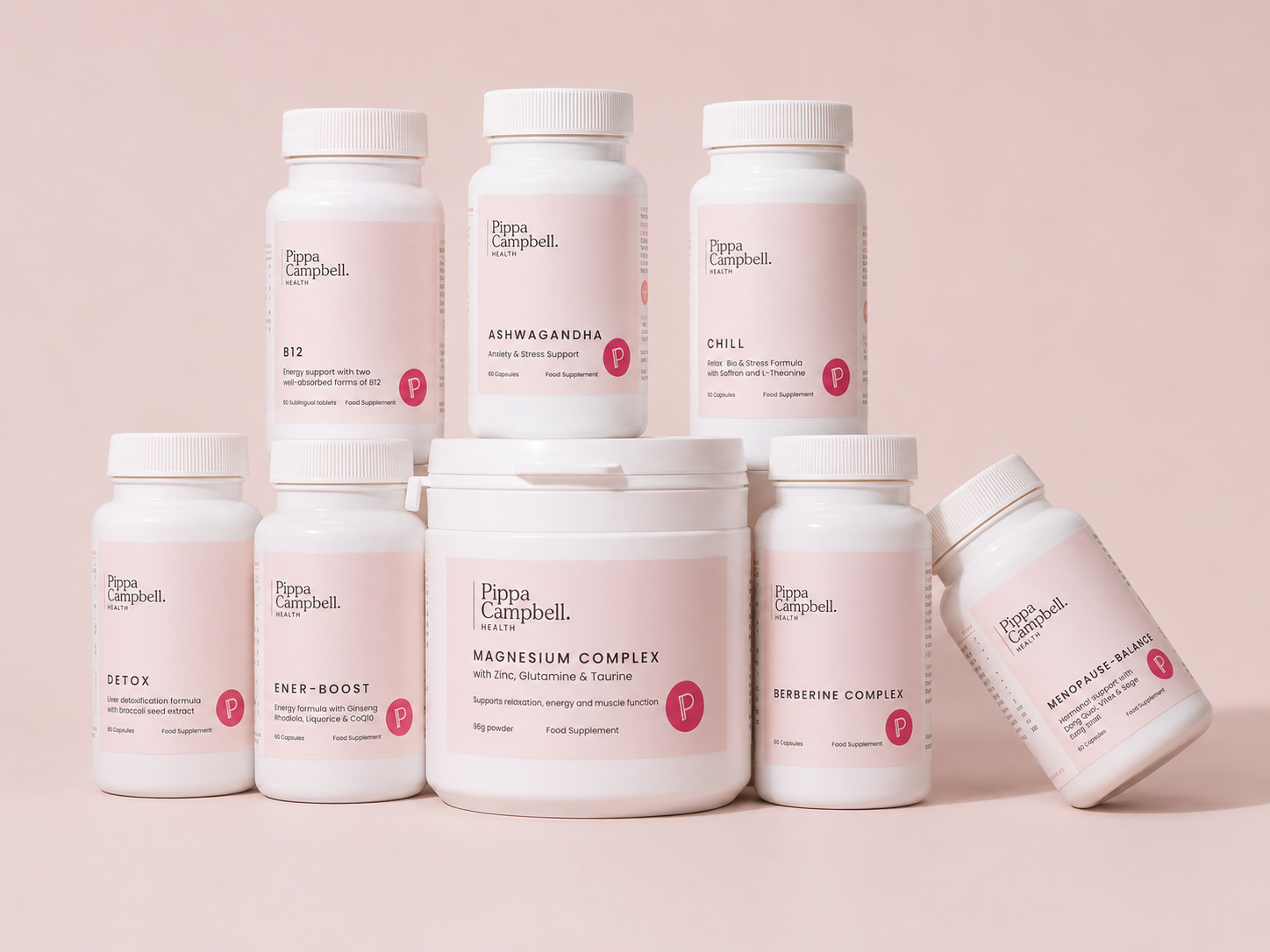
Try taking PCH Digest at each meal to see if it helps relieve symptoms.
Gallbladder. The gallbladder contracts and releases bile to emulsify fats so they are more easily digested and absorbed. This prevents damage to the lining of the small intestine and also helps you absorb fat-soluble vitamins such as vitamins A, D, E, and K.
Gallbladder function and bile are also necessary for:
-
Microbiome health
-
Managing gut inflammation
-
Regulating fat and sugar metabolism
-
Regulating metabolism of medications and supplements
-
Biotransformation of toxins (liver detox)
-
Preventing leaky gut
It is impossible to repair a leaky gut, restore gut function, or improve the gut microbiome in a significant way as long as gallbladder sludge and stones are an issue.
Gallbladder issues Signs and Symptoms – (may not be all)
-
Pain between shoulder blades
-
Stomach upset by greasy foods
-
Greasy/shiny stools
-
Nausea
-
History of morning sickness
-
Light colour stools
-
Dry skin, dry skin on feet or itchy
-
Gallbladder issues or surgery
-
Bitter taste in mouth
-
Easily intoxicated on alcohol and/or hungover
-
Pain on upper right side of rib cage
-
Constipation
Micronutrient absorption. The small intestine is lined with tiny protrusions called microvilli. Because their job is to absorb nutrients, they must be healthy.
Tight junctions. Tight junctions are the connections between the cells of the intestinal wall that open and close as necessary to allow micronutrients into the bloodstream but keep invaders out. They must function properly to prevent leaky gut — when undigested food proteins, toxins, and pathogens such as viruses and bacteria cross into the bloodstream, this leads to systemic inflammation and other symptoms. Zonulin is a marker tested for in stool analysis. High Zonulin indicates a leaky gut.
Small Intestines issues Signs and Symptoms – (may not be all)
-
Food allergies or sensitivities
-
Bloating 1-2 hours after eating
-
Specific foods make you bloat
-
Airborne allergies
-
Hives
-
Sinus congestion
-
Crave carbs
-
Constipation or diarrhea or both
-
Crohns disease
-
Wheat, gluten or grain or dairy sensitivity
-
Asthma, sinus infection, stuffy nose
-
Vivid or nightmarish dreams
-
Feel spacey
The Large Intestine
The last stop before elimination is the large intestine, or colon, whose job it is to absorb water and electrolytes.
Your large intestine is also home to the microbiome, which powerfully influences all aspects of our health by releasing peptides, hormones, and necessary bacterial byproducts that impact our brain, cardiovascular, and immune function.
The large intestine is where probiotics and prebiotics have their effect. In addition, the more diverse your diet and the more plant fibres you consume, the more diverse gut bacteria you will have, which supports a healthier microbiome and immune system.
Signs and Symptoms – (may not be all)
-
Anus itches or thrush
-
Coated tongue
-
Feel worse in mouldy/musty places
-
Taken antibiotics
-
Fungus/yeast infection
-
Eating sugar increases symptoms
-
Stools hard
-
History of parasite
-
Less than one bowel movement per day
-
Loose stools
-
mucus in stool
-
Excessive or foul smelling gas
-
Bad breath or strong body odors
-
Cramping in lower abdomen
-
Dark circles under eyes
Join our Female Food Club for our 3 month plan that includes a gut health kickstart meal plan.