Did you know that around 1 in 25 middle-aged adults could be deficient in B12? NICE has cited international studies from the US and Netherlands which suggests that around 1 in 30 young adults may be affected, rising to 1 in 25 in middle age, and as many as 1 in 5 in people over 80. At least one in ten vegans is thought to be deficient in B12.
What do we need B12 for?
Vitamin B12 is a nutrient that helps keep your body’s blood and nerve cells healthy and helps make DNA, the genetic material in all of your cells. Vitamin B12 also helps prevent megaloblastic anaemia, a blood condition that makes people tired and weak.
What are the symptoms of B12 deficiency?
If you are low in B12, you may experience the following symptoms:
-
Unexplained fatigue
-
Abnormal blood count / anaemia
-
Cognitive issues, poor memory
-
A sore/inflamed tongue
-
Unexplained eyesight changes, including blurred vision
-
Mental health problems, such as anxiety and depression
-
Neurological symptoms, including impaired balance, weakness, pins and needles or numbness
NOTE: It’s best to always consult your GP if you feel your symptoms could be related to low B12. They can then offer you the appropriate test.
What foods contain B12?
-
Meat, poultry, fish
-
Eggs
-
Milk, dairy products
Clams and beef liver are excellent sources of B12.
Try my Fish Curry with Fenugreek!
Need something more?
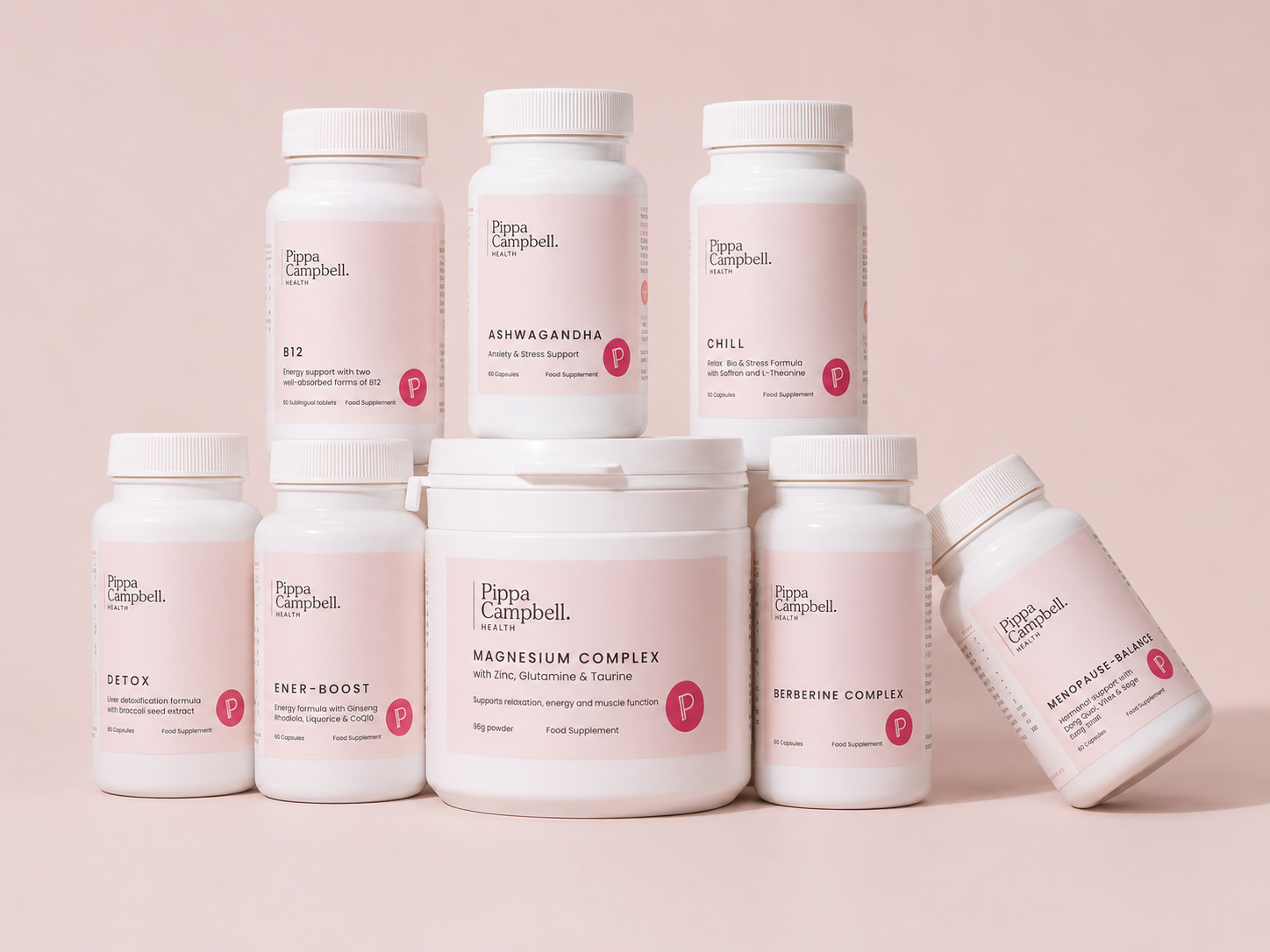
Pippa Campbell Just B12 contains two special forms of bioactive B12: methylcobalamin and adenosylcobalamin. Both of these forms of Vitamin B12 work synergistically, playing vital roles in energy production, healthy blood cell formation, as well as in the central nervous system.
For more information book a one-to-one consultation with a PCH practitioner.