Insulin in a hormone which is produced in the pancreas and which enables your body to use the glucose which comes from food – it’s this glucose that gives us energy.
After eating food, the digestive tract breaks down carbs and changes them into glucose. This then enters the bloodstream through the lining in the small intestine. Once the glucose is in the bloodstream, insulin instructs the body’s cells to absorb this sugar and use it as energy.
Insulin helps to balance the glucose levels in the blood. When there’s too much, insulin will signal to the body to store excess glucose in the liver and only allow it to be released when levels decrease (ie. in between meals or when your body needs an energy boost).
Now of course this is when everything is working well.
How does sugar and processed foods upset our natural insulin balance? How do we fall into the ‘sugar trap’?
Over the last few decades as our lives have become increasingly ‘convenienced’ (ie. we look for every single way we can make it as convenient as possible!), we have consumed more sugar and more hidden sugars through processed foods.
Sugar is like a drug. The more we have, the more we want! As humans, our brains are naturally wired to seek pleasure and reward.
When we eat sweet and fatty foods, our bodies are designed to eat LOTS of them and store as belly fat for the ‘scarce’ times ahead (when we were hunter-gatherers). But we aren’t in those days anymore and those scarce times never come!
When we eat carbs, insulin is released to tell cells to use the glucose as energy and also to control the amount of sugar in the bloodstream.
However, if we are consistently eating carbs and sugary foods, the body is constantly pumping out more and more insulin to try and control the blood sugar levels and instructing the body to store more and more sugar as fat. And eventually you become insulin resistant.
Excess sugar consumption can also make us leptin resistant. Leptin is an appetite suppressing hormone and is what naturally tells us “you’ve had enough!” High levels of insulin block the leptin signals in our brain and we just carry on eating!
Unlike glucose, fructose from the carbs /sugars gets absorbed from your gut and goes directly to the liver bypassing the processes that glucose goes through. This creates a process called lipogenesis and is how sugar gets turned into fat, in some cases leading to fatty liver.
And round it goes! A fatty liver is an inflamed liver and this causes insulin resistance. The body pumps out more insulin, creating more belly fat and inflammation.
And all this leads to chronic illness like heart disease, some cancers and strokes and of course, type 2 diabetes. Not good!
Signs & Symptoms
When you become insulin resistant, your body is pumping out high levels of insulin to deal with the high blood sugar levels but the cells are exhausted and eventually don’t do the job they should be doing in terms of turning glucose into energy (they are ‘resistant’).
But what are the signs that you are insulin resistant?
It is estimated that 25-35% of populations of developed countries are insulin resistant to some extent. Insulin resistance contributes to:
– Diabetes
– Cardiovascular disease
– Sleep apnea
– Hormone disorders
– Obesity
– Some forms of cancer
If you are resistant to insulin or have some degree of resistance, you may experience the following symptoms:
– Fatigue after every meal
– Constant hunger
– General fatigue
– Craving for sweets/sugar but never satisfied
– Always craving for something sweet after a meal
– Waist measurement is larger or equal to hip measurement
– Need to pee lots!
– Increased appetite and thirst
– Difficulty losing weight
– Aches and pains which seem to shift around the body
‘Hypoglycaemia’ or low blood sugar –
The body pumps out way too much insulin in response to a chronic spike in blood sugar (too much cake, pasta, pastries etc!). 2-5 hours after this, you may experience ‘reactive hypoglycaemia’. Your energy and mood might dip and you might lose concentration and focus.
Typically, reactive hypoglycaemia can occur if you are missing meals (doing Intermittent Fasting), drinking excess caffeine to function and eating foods high in sugar. You might find you constantly crave sweet and salty foods, struggle to sleep through the night and have trouble getting up in the morning!
Those people who are simply ‘hypoglycaemic’ have a low blood sugar at fasting. It’s not reactive to foods. Reasons for this can include a poor diet, adrenal fatigue, hypothyroidism and side effects of medication. In the long term it can lead to hyperglycaemia and insulin resistance as mentioned in earlier posts. Hypoglycaemia is linked to all forms of hypothyroidism and can be the start of conditions such as PMOS.
Signs of low blood sugar are:
– Craving for sweets
– Irritable if meals are missed
– Becoming light-headed if meals are missed
– Eating to relieve fatigue
– Feeling shaky or jittery
– Feeling agitated and nervous
– Becoming upset easily
– Poor memory
– Blurred vision
So how can we use food to help us?
Adopt a diet based on low GI/GL foods (Glycemic index or Load).
GI refers to the extent at which blood glucose rises after eating a food. The GL takes into account the amount of food eaten.
✔️ Proteins – meat, poultry, fish, eggs, nuts & seeds.
✔️ Carrots, broccoli, cauliflower, celery, courgettes, Sweet potatoes, squash
✔️ Lower sugar fruits – berries, apples, pears, cherries, lemon, lime
✔️ Foods high in fibre – Lentils, chickpeas, butter beans
✔️ Whole-grains in moderation- pasta, soba noodles, rice noodles, rice, quinoa, barley & buckwheat
✔️ Milk, cheese, yogurt, coconut milk, almond milk
✔️ Olive Oil
✔️ Omega-3 fatty acids
✔️Foods high in antioxidants (deep/bright coloured veg & fruit, herbs)
✔️Add Apple Cider Vinegar to dressings
Supplements for insulin resistance
- Consider taking Meta-boost which contains chromium which has been shown to improve insulin sensitivity, cholesterol levels and other metabolic functions.
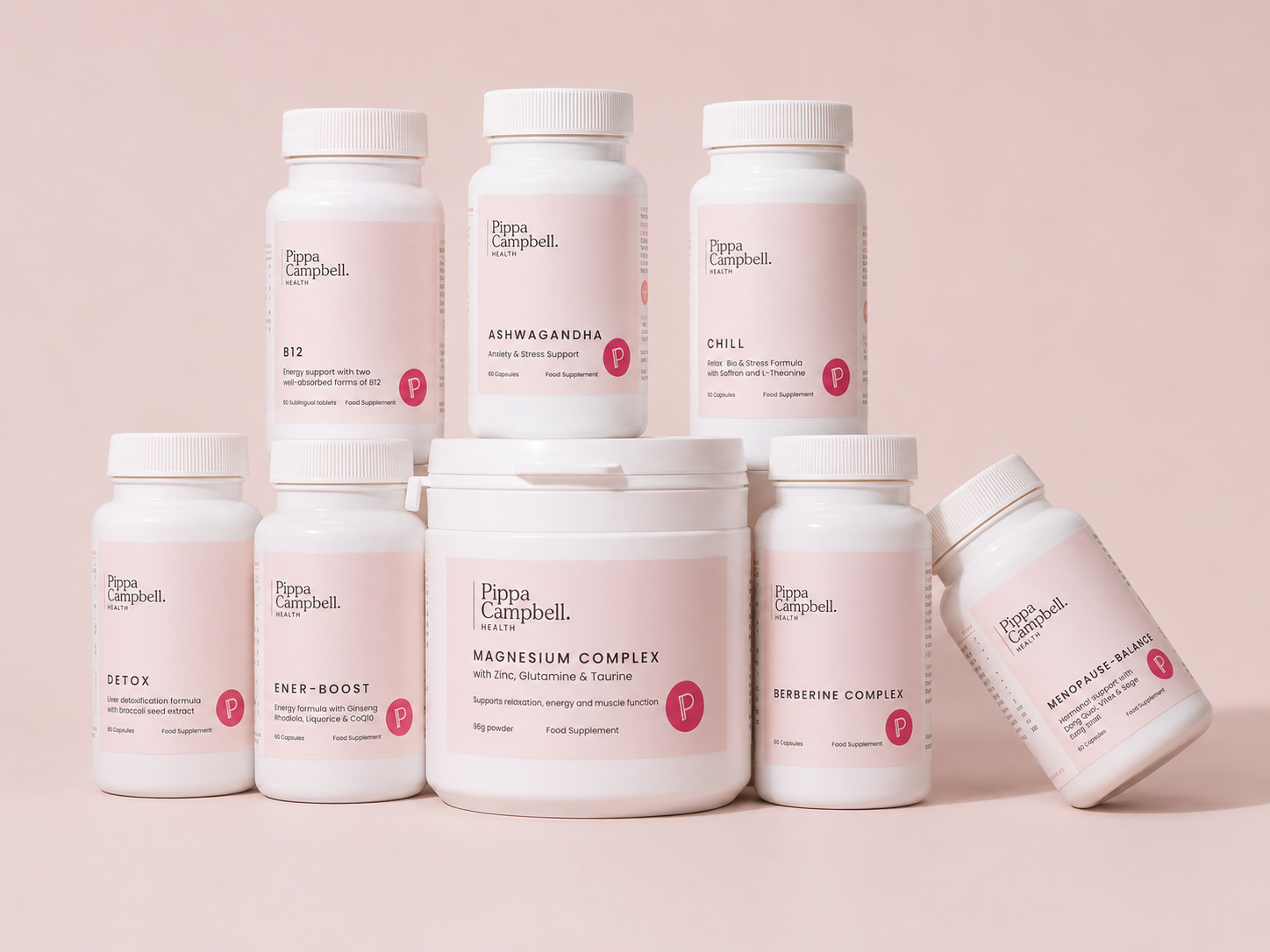
- Consider taking Berberine Complex alongside Meta-Boost. Berberine activates AMPK, the same metabolic pathway activated by metformin, without the prescription, supporting blood sugar balance and insulin sensitivity. Cinnamon is included for its long clinical history supporting blood sugar balance, and resveratrol adds broad antioxidant support. Together, Meta-Boost and Berberine Complex form our Weight Loss Bundle, aimed at women whose blood sugar does not respond to diet changes alone.