Every week I speak to new clients who tell me that they’ve started to put on weight since hitting their 40s/50s. Insulin resistance is often to blame.
The development of insulin resistance typically leads to increased insulin production (hyperinsulinemia) to help the body maintain healthy blood sugar levels. Elevated insulin levels can lead to weight gain, which in turn exacerbates insulin resistance.
One of the more obvious consequences of a diet too high in sugars and starches is that thick roll of tummy fat. That fat itself produces pro-inflammatory compounds and inflammation, which can also cause inflammation in the brain.
Foods that cause high blood sugar and insulin resistance when consumed regularly and over consumed include sweet fizzy drinks, sweet coffee drinks, sweets, pastries, pasta, bread, processed grains, fruit juices and other high-glycaemic foods. But sometimes just a diet high in any carbohydrates.
Many women find that they gain weight, sometimes a significant amount, during peri menopause and menopause. And, to make matters worse, their old tried and true ways of getting the weight off simply don’t work.
It’s a complex issue that includes a combination of poor diet (i.e. eating too many of the wrong carbohydrates), sedentary lifestyle, stress, and many other factors. But, the truth is, whatever the underlying cause, insulin resistance is a major cause of peri and menopausal weight gain and those with a genetic variant on their genes involved in insulin balance will be at greater risk. The key to reversing it and achieving lasting weight loss is to keep insulin levels low.
What I do with clients who have insulin-related weight gain
The starting point is always food. Removing or reducing the high-glycaemic foods listed above, building meals around protein, healthy fats and fibre, and eating at regular intervals to avoid the blood sugar peaks and troughs that drive cravings and fat storage.
Movement matters too. Even daily walking makes a difference to how your muscles use glucose.
Where I add nutritional support, these are the three I use most often in clinic for this picture:
Meta-Boost contains chromium picolinate, which supports insulin sensitivity, alongside cayenne to support weight management. It is designed for women whose weight gain is driven by blood sugar dysregulation rather than calorie intake alone.
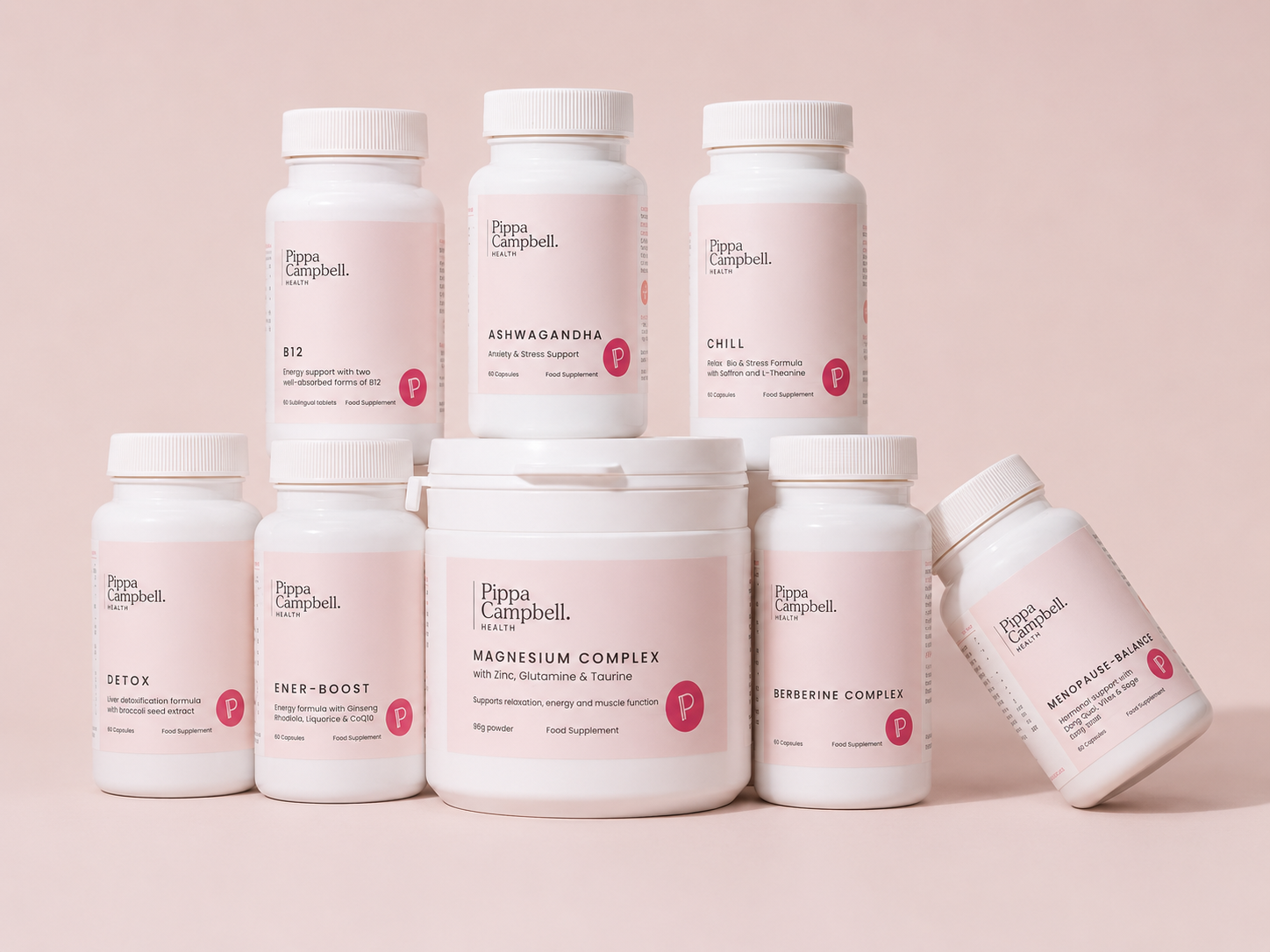
Berberine Complex combines berberine, trans-resveratrol and cinnamon — three botanical ingredients that support blood sugar balance from different angles. Berberine is one of the most studied compounds in this area. If you are on blood-thinning or diabetes medication, please consult your healthcare practitioner before use.
Magnesium Complex is worth considering if fatigue after eating or broken sleep are part of your picture. Magnesium plays a role in the enzymatic reactions needed for insulin function and energy production, and many women in perimenopause and menopause are low in it.
If weight gain around the middle, cravings and low energy after meals feel familiar, blood sugar balance is likely the place to start.