At the root of many chronic health problems today is high blood sugar and insulin resistance, thanks to the standard British diet. Heart disease, chronic pain, hormone imbalances, diabetes, autoimmunity, and Alzheimer’s are just a few chronic disorders impacted by high blood sugar. One of the most essential things a person can do to improve and maintain the health of their body and brain is normalize blood sugar and reverse insulin resistance.
What is insulin resistance?
When blood sugar is too high, the pancreas secretes the hormone insulin to carry the sugar out of the bloodstream and into the body’s cells and to convert the excess into fat for storage.
Production of insulin to transport glucose into the cells is a normal process, however when it happens repeatedly, as it does for many people, the cells develop a resistance to the constant onslaught of insulin and refuse it entry, hence the name “insulin resistance.”
As a result, too much sugar and insulin circulate throughout the bloodstream causing inflammation, skewing hormones, and throwing off neurotransmitter balances, all of which lead to rapid degeneration of the body and brain.
Signs and symptoms of high blood sugar:
-
Fatigue and drowsiness after meals
-
Intense cravings for sweets after meals
-
Constant hunger
-
General fatigue
-
Waist circumference equal to or larger than hip circumference
-
Craving for sweets not relieved by eating them
-
Frequent urination
-
Increased appetite and thirst
-
Difficulty losing weight
-
Migrating aches and pains
-
Trouble falling asleep
Insulin resistance is rooted in a high-carb, high-sugar diet
One of the more obvious consequences of a diet too high in sugars and starches is that thick roll of tummy fat the majority of British and many children now have. That fat itself produces pro-inflammatory compounds and inflammation, which causes inflammation in the brain.
Foods that cause high blood sugar and insulin resistance when consumed regularly and over consumed include fizzy drinks, sweet coffee drinks, sweets, , pastries, pasta, bread, processed grains, and other high-glycemic foods.
Insulin resistance damages the brain
Insulin resistance delivers too much glucose and insulin into the brain. This is extremely damaging to the brain’s tissue and circulatory system, to the point where neurologists call Alzheimer’s disease “Type 3 diabetes.”
In addition to the inflammation-promoting properties of sugar, excess insulin, and excess abdominal fat, insulin surges also reduce the brain’s ability to clear out amyloid plaques, the hallmark of Alzheimer’s disease.
People with diabetes are twice as likely to succumb to Alzheimer’s disease as non-diabetics. Insulin-dependent diabetics have a a massive 400 percent increase risk of developing Alzheimer’s dementia — thanks to excess insulin. This higher risk is also linked to the tendency of the insulin-dependent Type 1 diabetic to use insulin as a license to eat a high-carbohydrate diet.
A common symptom of insulin resistance is becoming extremely sleepy after eating. This is because of the effects of the sugar and insulin surge on the brain’s neurotransmitters, as well as the high energy demand of converting sugar into fat.
What people don’t understand is that every time they time they go into a mini-coma and need a nap after eating too much food or a high-carb meal, it’s due to insulin resistance — they’re killing off massive amounts of brain cells and speeding along their brain degeneration.
Although these facts alone are alarming, they don’t take into account the effect that sugars, starchy foods, and insulin surges also have on hormonal balance, gut health, thyroid function, and adrenal health.
High blood sugar creates excess testosterone in women
In women and men, insulin surges from high-carb diets increase a hormone-converting enzyme called 17,20 lyase. This enzyme increases testosterone production. The high testosterone blunts cells’ insulin receptor sites, leading to insulin resistance. In a vicious cycle, as cells become even more resistant to insulin, further testosterone elevation is promoted.
In women, high testosterone also affects estrogen and progesterone levels, changing neurotransmitter levels that affect motivation, drive, and personality. It also fosters growth of facial hair and thinning of scalp hair.
Insulin Resistance promotes excess estrogen in men
In men, insulin resistance promotes excess estrogen so that they grow breasts and hips, and suddenly find themselves crying at movies, among other more serious health issues. It is estimated more than one-third of the U.S. population has insulin resistance, which is a stepping stone to diabetes.
High blood sugar tied to PMOS in women
Insulin resistance is related to PMOS (PCOS) in women. PMOS is the most common hormone disorder in U.S. women, and is the most common cause of infertility. Common PMOS symptoms include:
-
Inability to lose weight
-
Fatigue after meals
-
Hair loss
-
Sugar cravings
-
Hormone imbalances
-
Infertility
-
Irregular menstrual periods
-
Ovarian cysts
-
Obesity and excess weight, usually concentrated around the abdomen
-
Anxiety or depression
-
Sleep apnea
It’s no mistake that much of that list seems to resemble the insulin resistance symptom list at the top of this page. On blood tests, PCOS can be identified by insulin resistance type patterns such as fasting glucose over 100, elevated triglycerides and cholesterol, and triglycerides that are higher than cholesterol.
High blood sugar leads to thyroid resistance and hypothyroid symptoms
Elevated testosterone from insulin resistance promotes excess conversion of the thyroid hormone T4 into T3 (the usable form of thyroid hormone).
Excess T3 in the bloodstream overwhelms the cells so they develop resistance to T3 (thyroid resistance). When not enough T3 can get into the cells, it results in hypothyroid symptoms.
This is also seen in women with PCOS and in men who use testosterone creams. With this pattern, reversing insulin resistance can also reverse hypothyroid symptoms.
Stress drives insulin resistance
Insulin resistance is often associated with high cortisol, a hormone produced to cope with stress. In our overly stressed lives, many people tend to have chronically high cortisol. This is damaging to the body’s tissues, especially the brain.
Breaking the cycle of insulin resistance
To reverse insulin resistance, you must change your diet if you want to improve the health of your body and brain; there are no exceptions to this. You can no longer simply eat what you want when you want if your diet is based on sugars and processed carbohydrates. The worst thing a person with insulin resistance can do is overeat or eat more carbohydrates than he or she can tolerate on a regular basis.
A few basic rules apply to balance your blood sugar metabolism and improve your brain health:
-
Eat a breakfast of high-quality protein and fats that is low sugars and starches.
-
Find your carbohydrate tolerance and stick to it: If you feel sleepy or crave sugar after you eat, you have eaten too many carbohydrates. You can also use a glucometer to check your fasting blood glucose, which ideally should be in the mid- to high-80s, and at least between 80-100.
-
Never eat sugary or high carb foods without some fiber, fat, or protein. These added factors slow down the rate at which glucose is absorbed into the bloodstream and help prevent insulin surges.
-
Don’t rely on caffeine and sugary snacks to get you through your work day; instead, bring along high-protein, healthy-fat lunch and snacks with minimal carbs.
-
Do not eat sweets or starchy foods before bed. Your blood sugar will crash during the night, long before your next meal is due. Chances are your adrenals will kick into action, creating restless sleep or that 3 a.m. wake-up with anxiety.
-
Avoid all fruit juices and carrot juice. These can be more sugary than fizzy drinks, and will quickly have your blood sugar crashing.
-
Avoid or limit caffeine.
-
Eat a well-balanced diet consisting mostly of vegetables, and quality proteins (eggs, fish, meat, tofu) , plenty of fibre and fats.
-
Eliminate food intolerances and allergens through an elimination diet or testing .
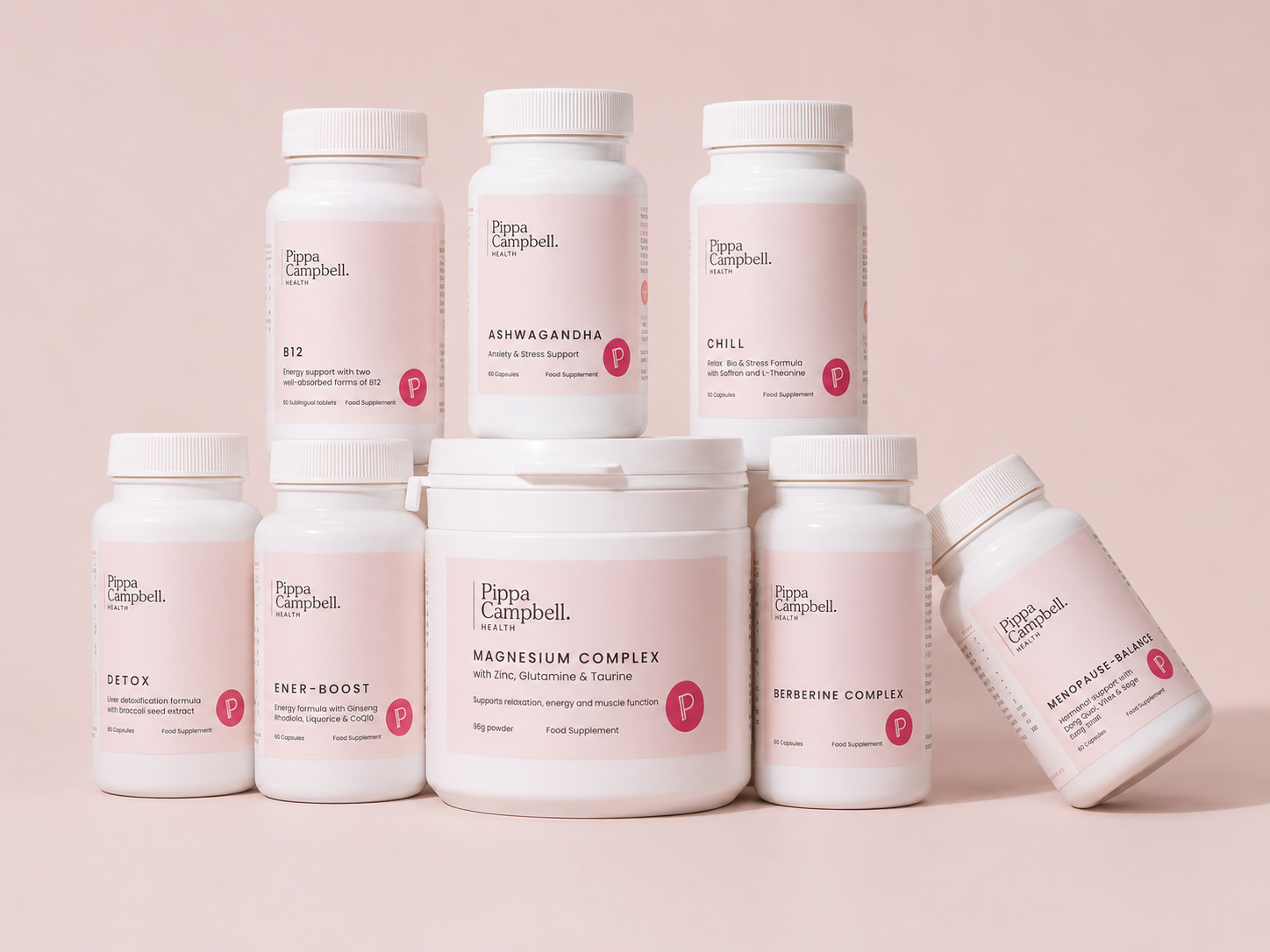
Alongside these dietary changes, targeted supplements can support the process. Meta-Boost contains cayenne pepper, chromium, zinc and selenium to support healthy blood glucose balance and insulin sensitivity. For women whose insulin resistance does not respond to diet changes alone, Berberine Complex is worth considering alongside Meta-Boost. Berberine activates AMPK, the same metabolic pathway activated by metformin, without the prescription, and cinnamon and resveratrol add further support for blood sugar balance and antioxidant status. Meta-Boost and Berberine Complex together form our Weight Loss Bundle.
The biggest clue your blood glucose levels are stable is that you have an appetite at meal times (not just cravings for simple sugars) and when you eat there is no change in your energy levels.
Feeling either tired or energised after you eat indicates your blood glucose levels are too high (insulin resistance) or too low (functional hypoglycemia), respectively. You should have no change in energy levels after meals; you should just no longer be hungry.
The rule of thumb for insulin resistance is that if you feel sleepy after you eat, you just ate too many carbohydrates. What if your meal was virtually carbohydrate-free, say a chicken breast and green beans drizzled in olive oil, and you still feel sleepy after eating? It means your insulin resistance has advanced to such a degree that you may need specialised nutrients to correct insulin resistance so work with a practitioner.
If you are not sure where to begin, a Discovery Consultation is a good starting point. It is a focused 15-minute session with a Pippa Campbell Method practitioner specialising in naturopathic endocrinology, and the consultation fee is redeemable against any test or package booked within 72 hours.