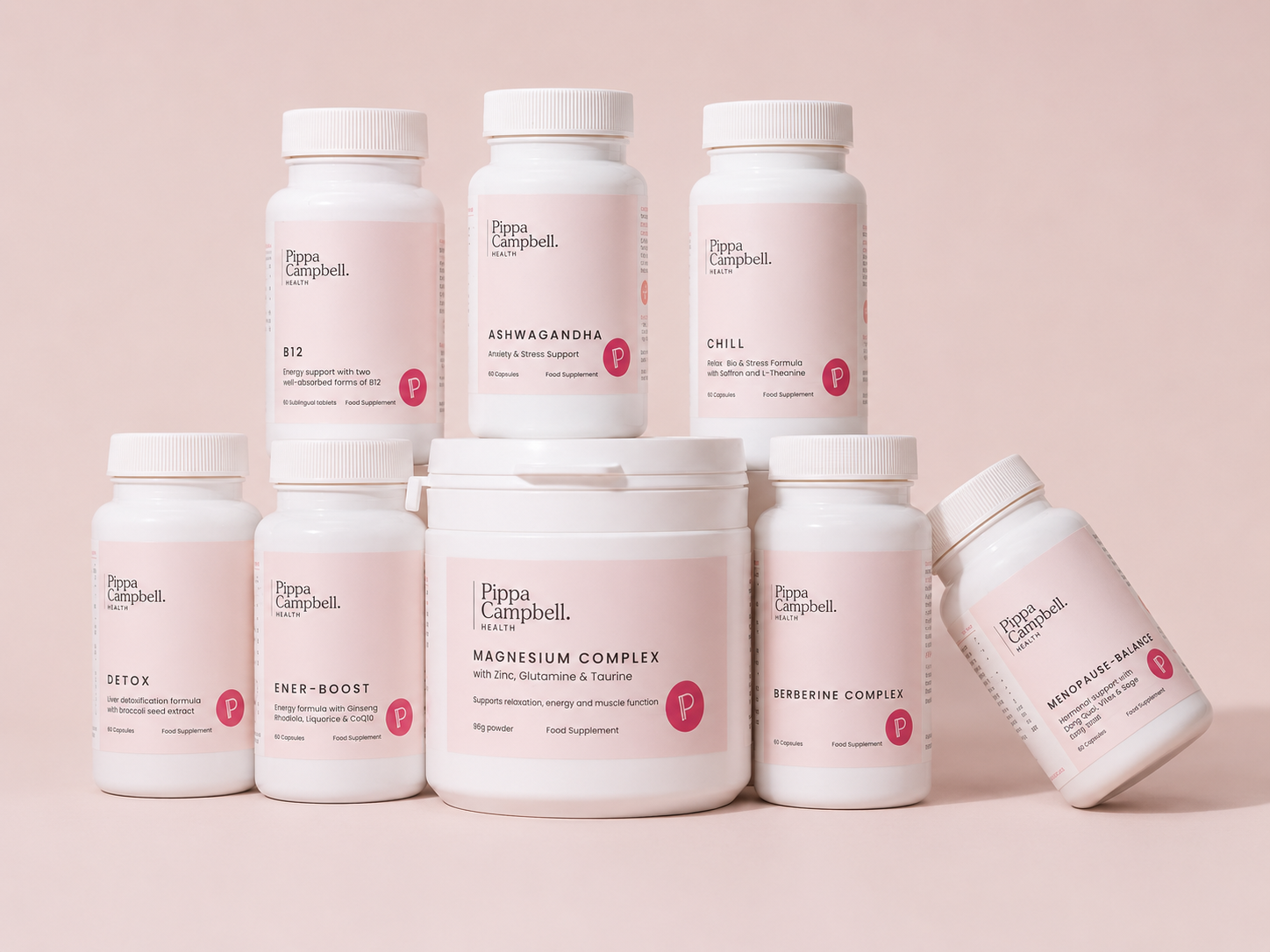
Menopause, a natural phase in every woman’s life, brings about numerous physiological changes. These changes necessitate a closer look at dietary needs, especially protein intake. Protein is essential for maintaining muscle mass, bone health, and overall vitality—factors that become increasingly important during menopause.
During menopause, the decline in oestrogen levels can lead to a decrease in muscle mass and bone density. Protein plays a critical role in counteracting these effects by supporting muscle repair and growth, and contributing to bone health. Additionally, adequate protein intake helps manage weight, supports the immune system, and aids in maintaining healthy skin and hair, all of which can be areas of concern during menopause.
How Much Protein Do Women Need?
The general recommendation for protein intake for women is about 0.8 grams of protein per kilogram of body weight. However, during menopause, this requirement can increase. Experts suggest that women may benefit from consuming 1.0 to 1.2 grams of protein per kilogram of body weight daily. For example, a woman weighing 70 kilograms (154 pounds) should aim for 70 to 84 grams of protein each day.
High-Quality Protein Sources
Not all proteins are created equal. High-quality proteins contain all the essential amino acids needed for various bodily functions. Some excellent sources of high-quality protein include:
- Lean Meats: Chicken, turkey, and lean cuts of beef provide significant protein without excessive saturated fat.
- Fish and Seafood: Rich in protein and omega-3 fatty acids, fish like salmon, mackerel, and sardines are excellent choices.
- Dairy Products: Greek yogurt, cottage cheese, and milk are not only high in protein but also provide calcium, which is crucial for bone health.
- Plant-Based Proteins: Beans, lentils, quinoa, tofu, and tempeh are great options for those who prefer or need plant-based protein sources.
- Eggs: Versatile and nutrient-dense, eggs are an easy way to boost protein intake.
Incorporating Protein Into Your Diet
Here are some practical tips for ensuring adequate protein intake:
- Start Your Day with Protein: Incorporate eggs, Greek yogurt, or a protein smoothie into your breakfast.
- Balanced Meals: Include a source of protein in every meal. For instance, add beans or chicken to your salad, or enjoy a piece of fish with dinner.
- Healthy Snacks: Opt for protein-rich snacks such as nuts, seeds, cheese, or protein bars.
- Plan Ahead: Prepare meals and snacks in advance to ensure you have healthy, protein-rich options available.
For my favourite protein powders visit Pippa Loves.
Summary
Navigating the nutritional needs of menopause can be challenging, but understanding and meeting your protein requirements can make a significant difference in how you feel. Prioritising high-quality protein sources and ensuring consistent intake can support muscle maintenance, bone health, and overall well-being during this transformative stage of life. Remember, each woman’s needs are unique, so it’s always a good idea to consult with a healthcare provider or a nutrition expert to tailor your protein intake to your specific needs. Embrace this new chapter with the confidence that you’re nourishing your body effectively.