Sometimes, gaining weight can happen without a clear reason, even if you’re careful about what you eat. It could be due to things like drinking a little more or enjoying a tasty meal, but there may be other causes as well. It’s important to speak with your healthcare provider if you’re unsure about why you’re gaining weight, as they can help investigate potential factors like a deficiency in vitamin B12.
If you don’t consume enough vitamin B12, you may experience negative effects such as feeling dizzy, lethargic, depressed, and mentally foggy. Additionally, you may gain a few pounds. A 2020 review discovered that insufficient vitamin B12 levels were associated with higher fat accumulation and obesity (1).
So can a Vitamin B12 supplement help with weight loss? First, let’s go into a bit more detail about what Vitamin B12 is and why we need it.
What is Vitamin B12?
Vitamin B12 has a significant impact on the functionality of your body. This vitamin is soluble in water and comes in various forms, containing the mineral cobalt, which is why they are referred to as “cobalamins”. Methylcobalamin and adenosylcobalamin are the types of Vitamin B12 that are actively involved in human metabolism. Vitamin B12 is crucial for the proper functioning of red blood cells and DNA synthesis. Additionally, it helps in converting the fats and proteins in your body into energy.
Some of its most vital functions include:
-
Supporting the development of red blood cells
-
Strengthening the brain and nervous system
-
Enhancing immune reactions and functions
What Foods Have B12?
Vitamin B12 is present in many foods, such as:
-
Animal Products
-
Fish
-
Poultry
-
Eggs
-
Dairy products
B12 Deficiency and Weight Gain
If someone experiences a prolonged deficiency of Vitamin B12, they may develop a condition called anemia. This condition is characterised by low levels of red blood cells, which can lead to weakness and difficulty in transporting sufficient oxygen to the body’s tissues. Additionally, Vitamin B12 deficiency can cause other serious symptoms such as tiredness, weakness, dizziness, shortness of breath, depression, increased heart rate, constipation, and more, which can interfere with weight management.
Low levels of Vitamin B12 can also hinder the respiratory and circulatory systems, which are essential for fat loss during aerobic exercise. This can lead to reduced exercise results and fatigue, making it difficult for individuals to engage in prolonged physical activity.
Also, a Vitamin B12 deficiency can disrupt the body’s natural balance, leading to long-term weight control problems. This disruption can slow down metabolism, conserve fat stores, and burn fewer calories throughout the day.
Who is at risk for a B12 deficiency?
People at risk of vitamin B12 deficiency include:
1) Older adults
2) Individuals with digestive disorders, such as celiac disease and Crohn’s disease, that affect nutrient absorption in the stomach or small intestine.
3) Individuals who have undergone gastrointestinal surgery, such as bariatric surgery for the purpose of weight loss.
4) Vegans and vegetarians, since the biggest dietary sources of B12 are from animal sources
5) People who take certain medications for an extended period, such as proton pump inhibitors, histamine 2-receptor antagonists, and metformin.
Vitamin B12 Deficiency TREATMENT
Your healthcare provider can advise you on whether to start taking supplements based on your medical history and symptoms. While blood tests are an option, they may not always give a completely accurate result. Therefore, it’s best to begin supplementation if you suspect a deficiency. It takes time to recover from Vitamin B12 deficiency, and improvement may be gradual over the first few months of treatment, continuing for up to six to 12 months.
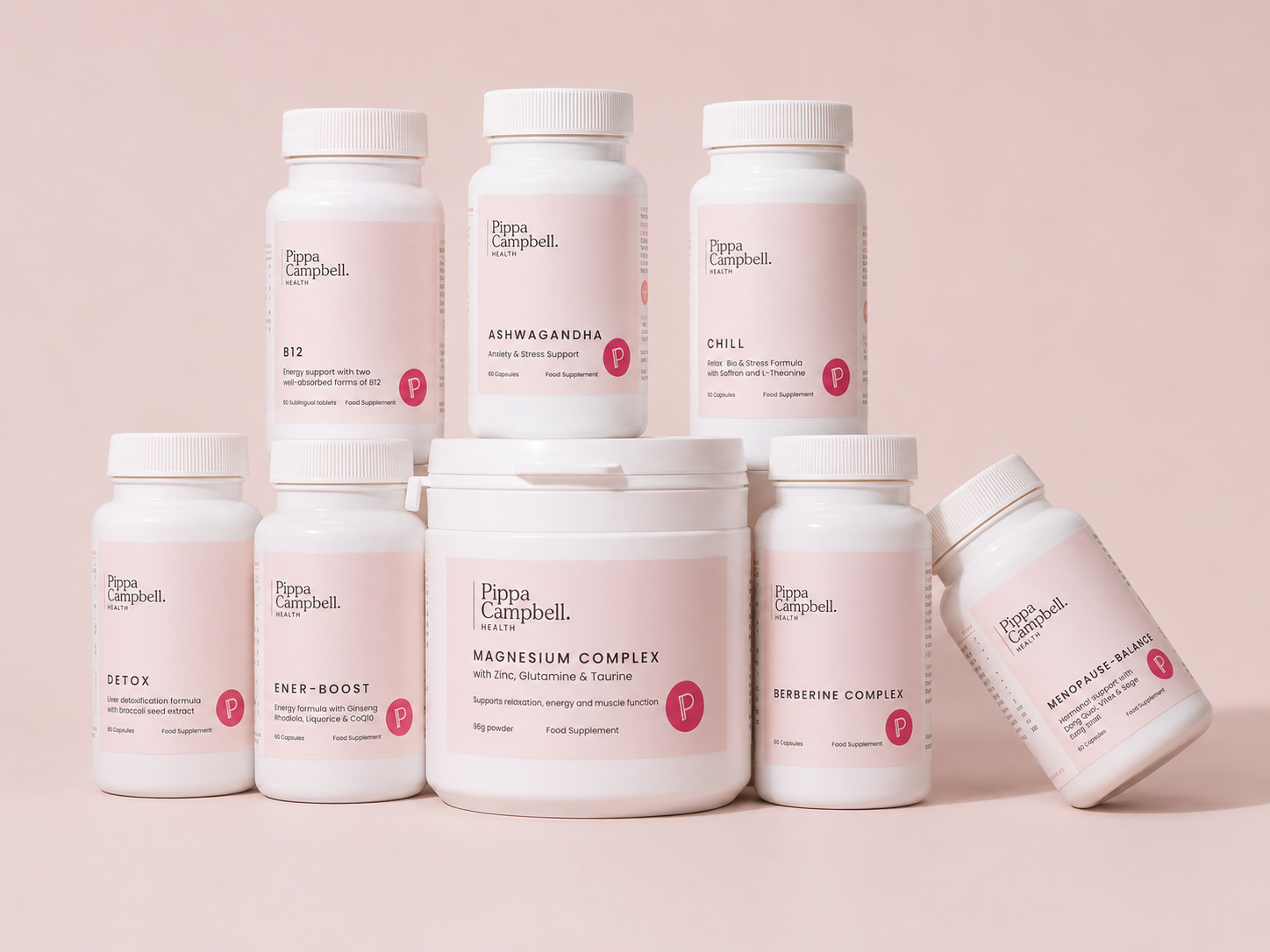
Try my PCH Vitamin B12 product which contains two special forms of bioactive B12; methylcobalamin and adenosylcobalamin. Both of these forms of Vitamin B12 work synergistically, playing vital roles in energy production, healthy blood cell formation, as well as in the central nervous system.
It is important to supplement with the right form of bioactive nutrient (such as Vitamin B12 as methylcobalamin and adenosylcobalamin) but first, the nutrient has to be absorbed into the body. My Vitamin B12 Sublingual formulation, i.e. dissolving the tablet under the tongue, bypasses the usual mechanisms of B12 absorption that rely on optimal stomach function (often a problem for Vitamin B12 absorption through the digestive tract).
If you think you have a Vitamin B12 deficiency and want to discuss this further book a 121 consultation with a PCH practitioner who will be able to advise you.