GSM (Genitourinary Syndrome of Menopause) might sound complicated, but it simply describes the changes that happen to the vaginal and urinary tissues during and after menopause due to declining oestrogen. This includes symptoms like vaginal dryness, irritation, painful sex, frequent urinary tract infections (UTIs), and bladder discomfort. It’s estimated that over half of postmenopausal women will experience these symptoms, and yet many suffer in silence.
Why It Happens
As oestrogen levels fall, the delicate tissues of the vagina, vulva and bladder become thinner, less elastic, and drier. This can lead to discomfort, increased infections, and a noticeable impact on intimacy and confidence.
Oestrogen normally supports:
- Moisture and elasticity in vaginal tissue
- Healthy vaginal pH by feeding good bacteria
- Blood flow and collagen in the pelvic area
Without it, everything from infections to irritation can become more common.
Key Symptoms to Watch Out For:
- Vaginal dryness or itchiness
- Pain during intercourse
- Urinary urgency or frequency
- Burning or stinging when urinating
- Recurrent UTIs
These symptoms can show up even before periods stop completely, especially in women with low oestrogen due to breastfeeding, early menopause or certain medications.
What You Can Do:
- Topical Oestrogen
Local oestrogen creams or pessaries prescribed by your GP can be highly effective at restoring moisture and comfort. - Targeted Supplements
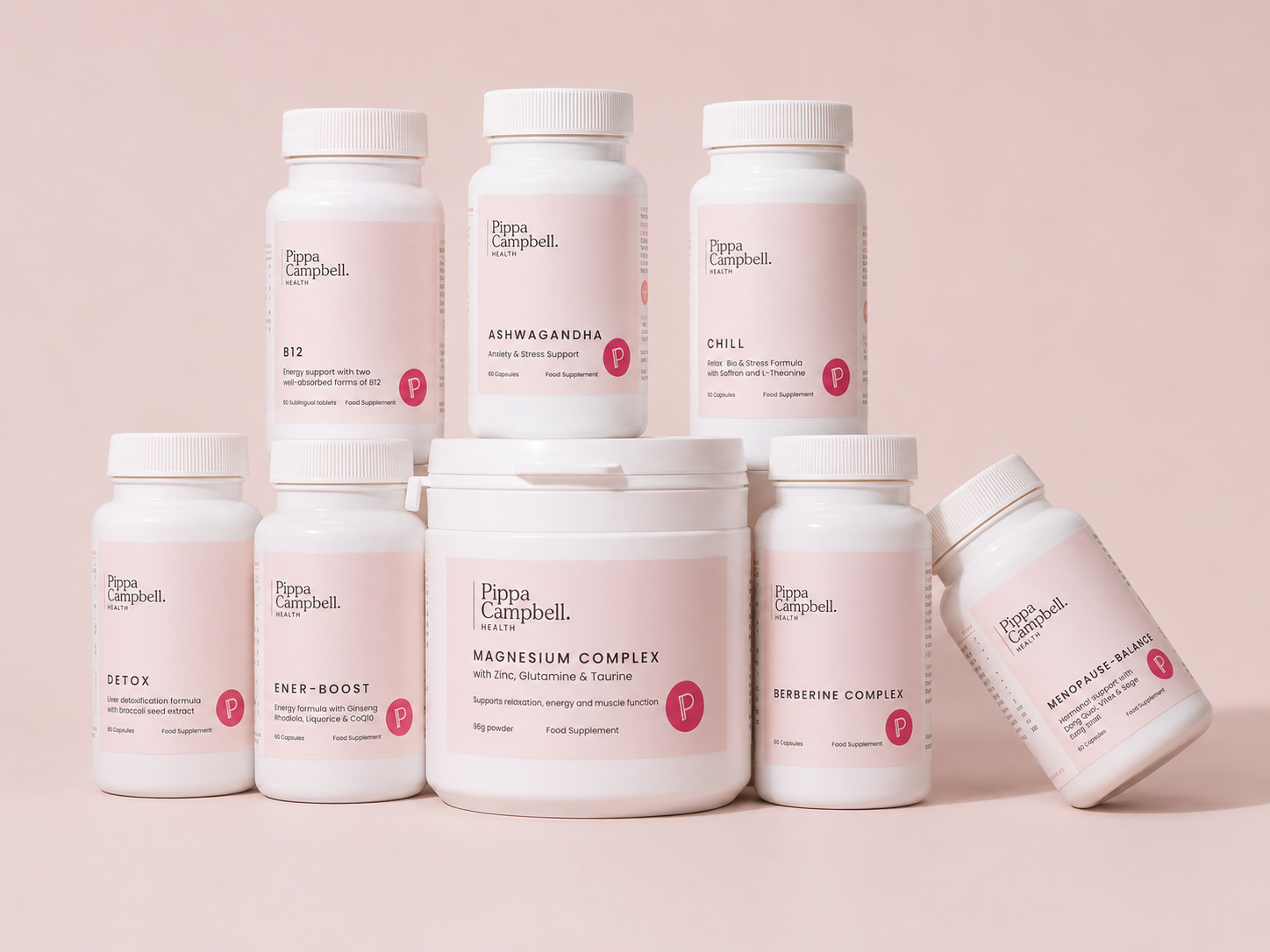
Try PCH Repopulate Probiotic to support a balanced vaginal microbiome and maintain a healthy pH. Gut health plays a huge role in vaginal health. Consider taking PCH Magnesium Complex with Zinc, which can support hormone balance and help the body adapt to hormonal changes. Another supplement to take is PCH Oestro-Balance as it contains Soy Isoflavones which has been shown to improve vaginal dryness. For those struggling with mood and energy alongside GSM, take our Adrenal Fatigue Questionnaire to assess your stress levels and get clear next steps to start feeling more energised and in control again. - Natural Moisturisers & Lubricants
Opt for clean, hormone-free vaginal moisturisers to soothe irritation and dryness like Yes! (see Pippa Loves) - Pelvic Floor Exercises
Strengthening pelvic muscles with Kegels or guided therapy can improve bladder control and sexual comfort. - Laser Therapy & Specialist Treatments
These options can help restore collagen and improve tissue health, especially if symptoms are more severe.
The Gut-Vagina Connection
Gut and vaginal bacteria are closely linked. A drop in beneficial bacteria like lactobacillus (which thrive on oestrogen-fuelled glycogen) can increase pH and create an environment where infections flourish. This is why probiotics are so important — they help rebalance the vaginal flora and reduce the risk of UTIs and BV.
To Conclude
GSM is incredibly common, but it doesn’t have to be your “new normal”. With the right combination of hormone support, targeted supplements, and lifestyle tweaks, you can feel comfortable and confident again.
Watch my free training, 5 Steps to Balancing Your Hormones, and learn simple yet powerful changes to reduce symptoms like mood swings, brain fog, PMS, weight gain, and poor sleep — all by supporting your hormones naturally through food, lifestyle and detox tips.
Want to get to the root of your GSM symptoms? A DUTCH test at Pippa Campbell Health offers a deeper look at your hormone balance, including oestrogen, cortisol, and more — helping you take targeted steps toward lasting relief.