The coronavirus is all over the news and social media. It seems like it’s one of the top things people are talking and feeling concerned about. The Coronavirus Disease 2019 (COVID-19) is a new strain of coronaviruses that first started in Wuhan, China in December 2019. It causes fever, coughs, shortness of breath, and upper-respiratory symptoms. Though the majority of the cases are still in China, the virus is spreading around the world and we may be facing a pandemic soon.
Symptoms of the coronavirus infection are very similar to symptoms of the flu (influenza) virus. Based on what we know, symptoms may include:
-
Fever
-
Cough
-
Shortness of breath
-
Runny nose
-
Sore throat
-
Headache
-
Not feeling well
Symptoms may range from mild symptoms to severe.
According to our current understanding, the coronavirus spreads very similarly to other coronaviruses and other upper-respiratory infections. The virus mainly spreads person to person between people who are in close contact, or within 6 feet, of each other.
It spread via respiratory droplets coming from an infected individual’s coughs or sneezes. When a healthy person nearby inhales these droplets into their lungs, they may get infected. While this is not the main way to get sick, the virus may also spread by touching one’s own mouth, nose, or eyes after touching an object or surface with the virus on it.
Supporting your immune system is absolutely critical when it comes to the prevention and treatment of the coronavirus and other respiratory viral infections.
Certain foods are particularly beneficial for your immune health because they have higher immune-boosting properties than others. It is important that you add them to your nutrient-dense diet. I recommend that you eat at least 3 servings of each of these 8 top immune-supporting foods if you are sick and eat them on a regular basis for immune support and prevention:
-
Lemons and limes: Lemons and limes are some of the best sources of vitamin C and antioxidants, and help to alkalize and cleanse your body
-
Bone broth: Bone broth is rich in vitamins and minerals and is soothing for respiratory conditions
-
Garlic: Garlic may reduce inflammation, support your immune system, and effectively fight infections
-
Onions: Similarly to garlic, onions are powerful infection fighters that boost your immune system and reduce inflammation
-
Apple cider vinegar: Apple cider vinegar provides great disinfectant support against even the most resistant bacterial strains and viruses and offers antioxidant support
-
Olive oil: Olive oil is a great source of monosaturated healthy fats which is incredible for your immune system
-
Ginger: Ginger is one of the most potent medicinal spices that help to reduce inflammation, boost your immune health, improve sore throat, and lower pain levels
-
Mushrooms: Medicinal mushrooms are fantastic immune-boosting and inflammation-fighting superfoods
Good Hydration
I recommend that you drink 8 to 10 glasses of clean water minimum a day. If you are exercising or doing physical labor, spending time out on the hot sun, sweating a lot in a sauna or hot tub, recovering from an illness or infection, or otherwise feeling dehydrated, make sure to drink more.
Good Sleep, Fresh Air & Daily Movement
Keeping your body healthy is more than just food and water. Getting good sleep fresh air, and daily movement are all crucial for a healthy immune system. I recommend that you get 7 to 9 hours of quality sleep on a regular basis. If you are feeling sick, make sure to honor your body, and rest plenty. Get some fresh air on a daily basis.
Diffuse Essential Oils
Diffusing essential oils may be beneficial for both the prevention and treatment of infections. They may help to open up your airways, reduce mucous, improve coughs, calm sore throats, and reduce sinus issues. Essential oils that may benefit coronavirus, cold, and flu symptoms include eucalyptus, rosemary, peppermint, frankincense, oregano, thyme, geranium, cinnamon, nutmeg, bergamot, cypress, and tea tree essential oil. These essential oils may offer antioxidants and immune-protective qualities.
Supplements
These are the supplements that have been widely recommended to practitioners as a protocol with clients.
I suggest you take the maintenance dose but increase to the acute symptoms dose when travelling.
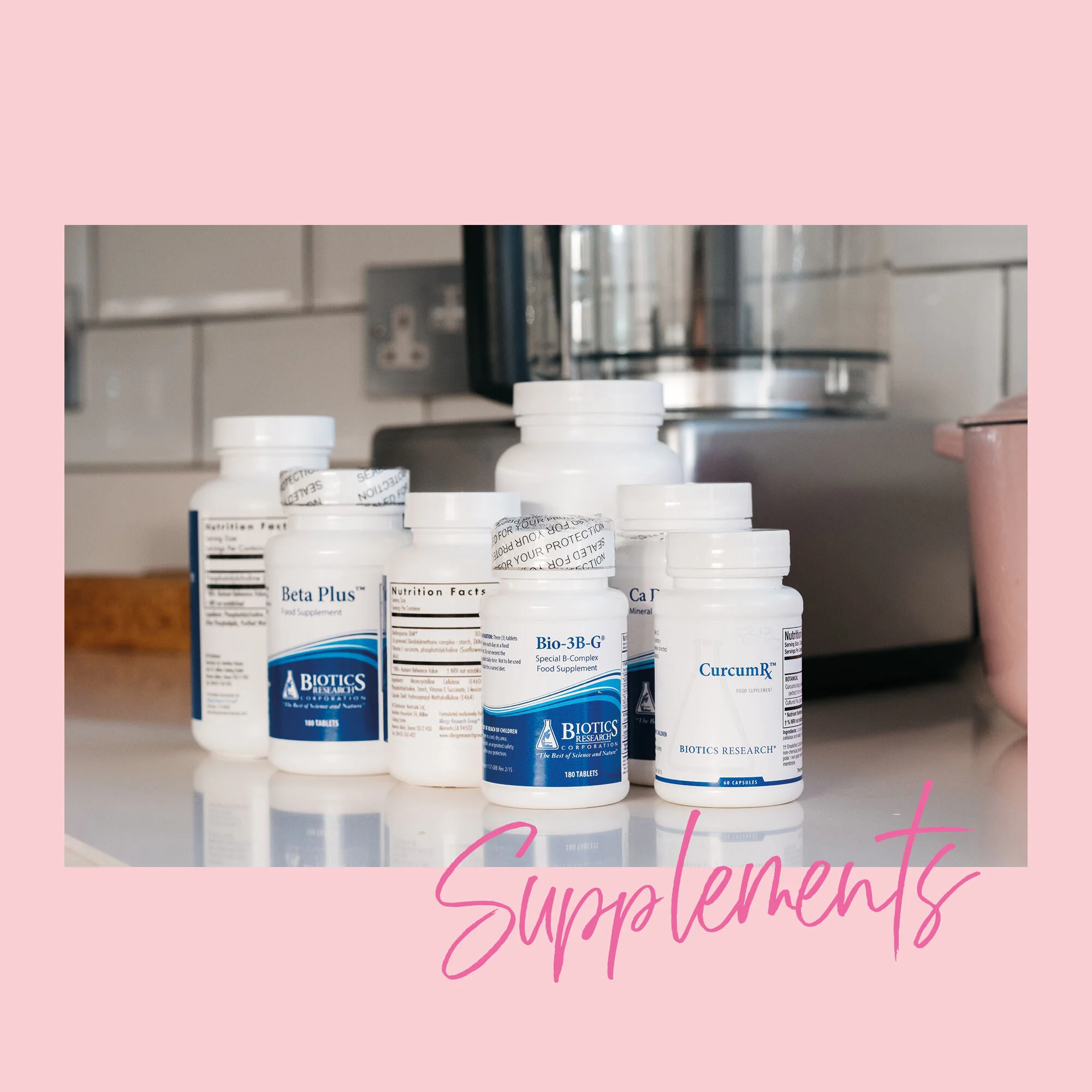
Prevention Dose – To place first order with Nutrilink tel 0845 076 0402 quote CAMP.P1
Humic Acid (ARG)
1 with breakfast & dinner
Prolive (ARG)
1 with breakfast & dinner
S. Boulardii (ARG)
1 with breakfast & dinner
Bio-D-Mulsion Forte (BRC)
2 drops with dinner (4.000
Other supplements listed below such as Zinc, vitamin A, antioxidants
Acute Needs Dose
Humic Acid (ARG)
2 with breakfast & dinner
Prolive (ARG)
2 with breakfast & dinner
S. Boulardii (ARG)
2 with breakfast & dinner
Bio-D-Mulsion Forte (BRC)
10 drops (20,000 iu) at dinner for 2 nights, then 5 drops (10,000 iu) with dinner for 14 nights
Other supplements listed below such as Zinc, vitamin A, antioxidants Such as selenium and Glutathione
Rationale
There are currently no vaccines or other drugs that have shown any promise in treating Coronavirus. Conventional medical advice is to rest and hydrate, which is the same advice given to those with a mild cold. Some centres are advising the use of the NSAID drug, ibuprofen. For those hospitalised and exhibiting respiratory distress, the use of ventilators and IV hydration drips are the most likely treatment pathways. Tests are under way in China to ascertain whether two antiviral drugs used to treat HIV (lopinavir and ritonavir) might offer effective treatment. These drugs were shown to help combat the SARS virus in 2003, after data emerged that HIV patients who were using the drugs and who also had SARS had better outcomes.
Nutritional Supplementation
In addition to a wholefood diet that excludes refined, processed foods and sugar, a targeted and specific nutritional support is one of the ways to strengthen immunity to help prevent or address any viral infection. There are other lifestyle behaviours in which to engage such as appropriate exercise, sufficient sleep and sound hygiene. However, the focus of this article if on the key nutrients to consider to support anti-viral immunity. There may well be benefits from other complementary modalities such as herbalism, homeopathy.
We, at Nutri-Link, have collated information from existing peer reviewed papers on PubMed, and other organisations such as The Complementary Medical Association (CMA), the Orthomolecular Medicine News Service OMNS) in the US, the British Society for Ecological Medicine (BSEM NEWS February 2020) whom we thank and acknowledge for their swift expression of what action to consider for the individual to improve immunity versus viruses, and which could complement any medical interventions.
Here, we present information on key nutrients and natural plant-derived substances, but this is by no means a complete list. However, it represents a robust summary of essential nutrients, plant concentrates and their role in human immunity versus viruses. Synergy is key as opposed to focusing or relying on a single agent.
Humic acid
Sourced from specific soil, Humic acid inhibits all viruses. The Humic Acid with the most effective anti-viral activity is derived from fresh water plants that is essentially ancient compost that is thousands of years old. Humic acid contains many kinds of “functional groups” (specific groups of atoms) that can bind to a multitude of viruses. Research has shown certain humic acids to be effective in vitro against a wide range of viruses, including influenza, HSV, HIV, and others.
Olive Leaf extract
The main active constituents of olive oil include oleic acid, phenolic constituents, and squalene. The main phenolic compounds, hydroxytyrosol and oleuropein, give extra-virgin olive oil its bitter, pungent taste.
Oleuropein belongs to the secoiridoids, which are abundant in Oleaceae, Gentianaceae, Cornaleae, as well as many other plants. Iridoids and secoiridoids are compounds that are usually glycosidically bound and are produced from the secondary metabolism of terpenes as precursors of various indole alkaloids.
Studies have also shown that oleuropein exhibits a significant antiviral activity against respiratory syncytial virus and para-influenza type 3 virus.
S. Boulardii
This probiotic yeast supports secretory immunoglobulin A, the major immunoglobulin of the innate immune system which protects against infectious agents. It has been very well studied and is one of the most well researched probiotic organisms on earth.
Vitamin D
The studies clearly show that vitamin D is, undoubtedly, part of the complex factors which affect the immune response. Assessing vitamin D status and maintaining optimal serum levels should be considered in all ageing adults and children, and micronutrients should be regarded as one of the essential factors which improve our health condition overall and also support our fight against diseases.
Vitamin C
According to Andrew Saul, editor of Orthomolecular Medicine News Service (OMNS) on January 26, 2020, “the coronavirus pandemic can be dramatically slowed, or stopped, with the immediate widespread use of high doses of vitamin C. Physicians have demonstrated the powerful antiviral action of vitamin C for decades. There has been a lack of media coverage of this effective and successful approach against viruses in general, and coronavirus in particular.
It is very important to maximise the body’s anti-oxidative capacity and natural immunity to prevent and minimise symptoms when a virus attacks the human body. The host environment is crucial. Preventing is obviously easier than treating severe illness. But treat serious illness seriously. Do not hesitate to seek medical attention. It is not an either-or choice. Vitamin C can be used right along with medicines when they are indicated.”
“The basis for using high doses of vitamin C to prevent and combat virus-caused illness may be traced back to vitamin C’s early success against polio, first reported in the late 1940s. (Klenner FR, 1949). Many people are unaware, even surprised, to learn this. Further clinical evidence built up over the decades, leading to an anti-virus protocol published in 1980. (Cathcart RF, 1980)
It is important to remember that preventing and treating respiratory infections with large amounts of vitamin C is well established. Those who believe that vitamin C generally has merit, but massive doses are ineffective or somehow harmful, will do well to read the original papers for themselves. To dismiss the work of these doctors simply because they had success so long ago sidesteps a more important question: Why has the benefit of their clinical experience not been presented to the public by responsible governmental authorities, especially in the face of a viral pandemic?”
Vitamin A
Vitamin A is a micronutrient that is crucial for maintaining vision, promoting growth and development, and protecting epithelium and mucus integrity in the body. It possesses anti-inflammatory effects because of its critical role in enhancing immune function. Vitamin A is involved in the development of the immune system and plays regulatory roles in cellular immune responses and humoral immune processes. It has demonstrated a therapeutic effect in the treatment of various infectious diseases.
Consistent with the role of retinoic acid in cell growth and differentiation, viral growth is also regulated in part by vitamin A; viral activity in general is regulated by retinoids. Vitamin A and its active metabolites are likewise importantly involved in the growth and differentiation of mucosa-associated airway epithelia.
While vitamin A deficiency (VAD) is thought to be a disease of the developing world, studies suggest that subclinical VAD may be quite prevalent.
Zinc
Zinc is known to play a central role in the immune system, and zinc-deficient persons experience increased susceptibility to a variety of pathogens. Zinc is crucial for normal development and function of cells mediating nonspecific immunity such as neutrophils and natural killer cells.
Broadly, zinc exerts its antiviral effect by interfering with four stages of the viral life cycle, which includes loss of infectivity of the virus, inhibition of virus entry into the host, inhibition of viral polypeptide processing, and inhibition of the activity of viral protease and/or virally-encoded RNA-dependent RNA polymerase (RdRp).
Ensuring optimal zinc status with zinc supplementation is one contributory factor to strengthening immunity vs viral infections.
Selenium
This trace mineral possesses anti-viral activity, as well as contributing to a reduction in Reactive Oxygen Species and Reactive Nitrogen Species (ROS & NOS). A lack of selenium increases vulnerability to infection from viruses as has been shown by studies across the world in the past decades from Cuba to China.
To place first order with Nutrilink tel 0845 076 0402 quote CAMP.P1