For an organ you can practically live without, you might think why gallbladder health is so important. Believe it or not, the gallbladder’s role in the body is crucial. A well functioning gallbladder can also help with weight management.
In clinic I often see clients with weight gain after gallbladder removal surgery. But even without removal I still see many clients with poor gallbladder functions that is causing weight gain.
Gallbladder dysfunction can prevent the digestive system from storing concentrated bile, which can lead to various health issues and weight gain.
What Happens If You Have Gallbladder Dysfunction?
Sludgy bile, gallstones, and metabolic issues… . The gallbladder plays an essential role in our overall health. Although gallbladder problems aren’t normally life-threatening (with the proper care), it’s vital to stay ahead of them.
Bile is an essential digestive fluid secreted by the liver and stored in the gallbladder. It performs a variety of critical bodily functions.
Bile aids digestion, particularly fat absorption, helps convert thyroid hormones, regulates blood sugar levels, supports gut microbiome health, and acts as a lubricant for waste elimination.
Digestion and Absorption of Fats
Bile breaks down fats into smaller particles that our intestines can easily absorb. This promotes healthy fat digestion and aids the absorption of fat-soluble vitamins A,D,E and K. People dealing with gallbladder difficulties often experience bloating and abdominal pain, especially when digesting fatty foods. They may see undigested fats in their stool too, have light coloured or sticky stools, get constipated (or swing from constipation to diarrhoea), feel nauseous, experience a bitter taste in the mouth and have low vitamin D in testing.
Thyroid Hormone Conversion
Bile converts inactive thyroid hormone (T4) into active form (T3). Thyroid hormones regulate almost every aspect of energy-making processes and determine the basal metabolic rate, a crucial element of weight management.
Gut Health And Antimicrobial Benefits
Bad bacteria and other microorganisms can be extremely damaging to the gut. Bile is a natural antimicrobial that targets would-be invaders. When it’s secreted by the gallbladder, bile can mop up bad bacteria that’s made its home in our microbiome.
Bile also helps maintain a balance between beneficial and harmful bacteria in the gut, and reduced bile production can lead to dysbiosis, which has been linked to obesity, inflammation, and poor nutrient absorption.
A Sluggish Gallbladder Is A Good Place For Pathogens To Hide
Ideally, the bile secreted by your gallbladder should be thin and easily moved. However, it’s common for people with gallbladder dysfunction to have sludgy bile. This sludgy bile has difficulty going in and out of the gallbladder — which means it can’t do its job properly. While stagnant, it also becomes a place where pathogens (like parasites) love to hide.
Waste Management
When bile makes its way through the digestive tract, some bile is carried back to the liver to be reused. A tiny percentage is secreted through the stool, removing fat-soluble toxins from the body. Bile promotes a softer stool and regular bowel movements and prevents constipation. This helps digestion processes and supports healthy weight management.
Glucose Metabolism
Some studies suggest that patients who have had their gallbladder removed are more susceptible to insulin resistance and metabolic issues. Bile acids improve insulin sensitivity, regulating blood sugar levels more effectively. Loss of insulin sensitivity is a major cause of metabolic imbalances and weight gain. Bile supports the growth of beneficial gut bacteria that maintain healthy blood sugar levels and are linked to a healthy body weight.
Gallstones
Gallstones are the most usual condition associated with the gallbladder. They can bring about extreme pain and infection, prompting emergency removal of the gallbladder itself. Gallstones form from sludgy bile and an imbalance of chemical makeup within the gallbladder. Oestrogen dominance and a high toxic load may also be root causes of gallstones.
Bile Salts And Your Gallbladder
If you suspect you have gallbladder dysfunction or you have had your gallbladder removed bile salts are useful. Since it replaces bile, it helps your liver to remove toxins, thins sludgy bile, and protects your gallbladder and liver health. Bile Acid Factors from Amrita can help maintain healthy bile acid levels and promote overall digestive wellness.
If you suspect pathogens like parasites are hiding in your liver you will need to work with a practitioner.
Bile Salts And Your Microbiome
Since bile benefits the gut microbiome, it makes sense that bile salts can have a positive impact on the microbiome by replacing bile.
Other Supplements And Ways To Support Your Gallbladder
Here are a few other ways you can protect your gallbladder and boost bile flow:
-
Include healthy fats in your diet. Contrary to popular belief, healthy fats actually encourage the flow and production of bile. Take PCH Digest which contains Lipase to aid in fat breakdown.
-
Take PCH Krill Oil (omega 3,6,9 with phospholipids). One study showed that people with lower fatty acid levels in their bodies were at a higher risk for developing gallstones.
-
Bitter foods. Specifically, greens like rocket and watercress as well as radishes and endive have shown to increase digestive enzymes and bile flow. Take PCH Digest which includes lipase to break down fats.
-
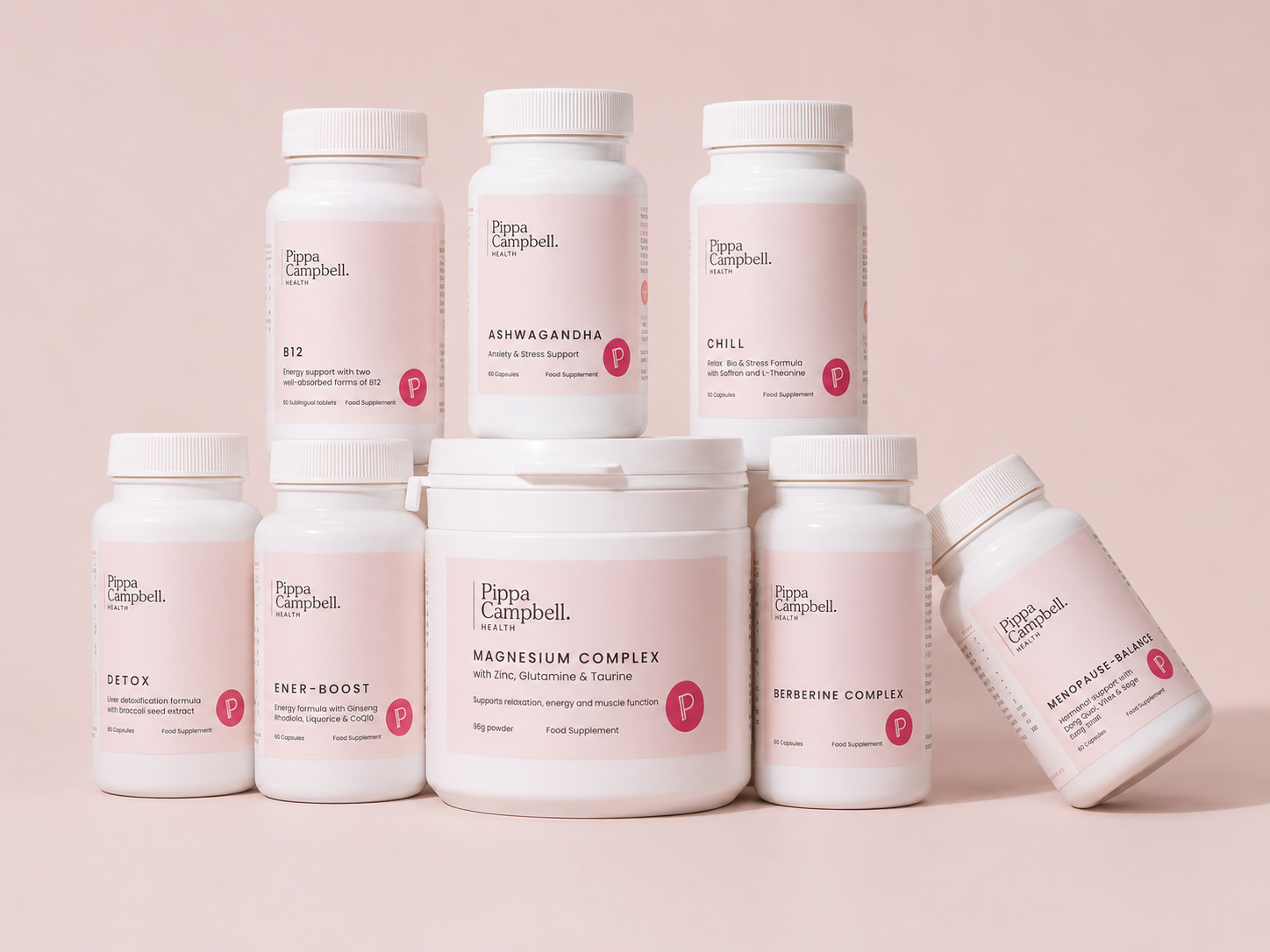
Liver support through detox. In a world full of toxins, it’s crucial to support the liver by avoiding airborne chemicals, environmental pollutants, mould, and endocrine disruptors in our skin and body products. Help support your body’s detoxification process with PCH Detox.
If you’re gaining weight no matter what you try, feeling bloated, exhausted, craving sugar or stuck in patterns that used to work before perimenopause, join my FREE masterclass to finally understand why your usual methods aren’t working — and what truly does for lasting, sustainable weight loss.