Hashimoto’s disease is an autoimmune disorder affecting the thyroid gland.
When you have Hashimoto’s disease, your immune system attacks your thyroid gland, which can lead to damage and, in many cases, hypothyroidism. This means that your thyroid gland can’t produce enough hormones to regulate your body functions, which can cause a range of unpleasant symptoms. Hashimoto’s disease is also known as Hashimoto’s thyroiditis, chronic lymphocytic thyroiditis, and chronic autoimmune thyroiditis. It’s one of the most common causes of hypothyroidism and is the most under-diagnosed autoimmune disorder, especially in the US. Although anyone can develop Hashimoto’s disease, it’s most common among middle-aged women. Fluctuations in hormones can contribute to the development of Hashimoto’s disease, which tends to peak during puberty, pregnancy, and menopause.
But what causes it?
Autoimmune diseases are caused by the body attacking itself because the immune system goes into overdrive.
There are cases where the body’s defenses are not strong enough, allowing external factors like parasites, toxins, molds, and undigested food to enter. This can happen due to a leaky gut or other areas of the body like the brain, lungs, or skin. As a result, the immune system responds, but in people with autoimmune diseases, this response doesn’t stop when it should.
Gluten intolerance is a major driver of Hashimotos since the molecular structure of gluten is very similar to that of the thyroid gland. Every time someone eats gluten and the body develops antibodies to get rid of it, they are attacking the thyroid gland as well.
Epstein-Barr
The Epstein-Barr virus, also known as human herpesvirus 4, belongs to the Herpesviridae virus family. When in the lytic phase of its life cycle, EBV infection can lead to infectious mononucleosis (IM). Previous EBV infection has been linked to lymphomas and could also result in several allergic and autoimmune diseases. Studies suggest that EBV infection could cause autoimmune disorders like systemic lupus erythematosus (SLE), multiple sclerosis (MS), rheumatoid arthritis (RA), Sjögren’s syndrome, and autoimmune hepatitis. Additionally, the EBV has been observed in patients with autoimmune thyroid ailments. While EBV isn’t the sole cause of autoimmune thyroid disorders, it could be a contributing factor.
What are the symptoms?
People with Hashimotos may also experience hypothyroid (thyroid produces too little thyroid hormones).
As thyroid cells are destroyed, stored hormones are released causing a toxic level of thyroid hormone in the body. This is known as thyrotoxicosis or Hashitoxicosis.
Symptoms of hypothyroidism
-
Feeling tired/sluggish
-
Feeling cold; hands, feet, all over
-
Needing excessive amounts of sleep to function
-
Gaining weight easily
-
Weight gain even when following a calorie controlled diet
-
Mental fatigue
-
Dry skin/scalp
-
Infrequent bowel movements
-
Lack of motivation
-
Depression
-
Thinning of hair on scalp or body, hair loss
-
Outer third of eyebrow thinning
-
Morning headaches which wear off as day goes on
Diagnosing Hashimotos
But what about Hashimotos? How do you know if you have Hashimotos and not just hypothyroidism?
The most common situation can be a woman who takes her thyroid replacement hormones, has her thyroid monitored regularly and medication adjusted appropriately yet continues to feel worse.
Thyroid levels can look normal because of medication but underneath immune dysregulation remains untreated, causing symptoms to spiral.
Testing for immune antibodies alongside identification of symptoms is one way of diagnosing Hashimotos.
As an autoimmune disease, Hashimotos flares up with triggers and then can lie dormant again. Testing whilst the disease is dormant will likely bring a negative result so testing several times can be necessary.
Flare ups can be triggered by a number of things including an intolerance to gluten, oestrogen surges, insulin resistance, PCOS, vitamin D deficiency, infections, environmental toxins, stress and a genetic predisposition to the condition.
Hashimotos symptoms
Hashimotos gradually gets worse over time and you may not notice symptoms at first. When you do, you may recognise the following:
-
Fatigue and sluggishness
-
Increased sensitivity to cold
-
Increased sleepiness
-
Dry skin
-
Constipation
-
Muscle weakness
-
Muscle aches, tenderness and stiffness
-
Joint pain and stiffness
-
Irregular or excessive menstrual bleeding
-
Depression
-
Problems with memory or concentration
-
Swelling of the thyroid (goiter)
-
A puffy face
-
Brittle nails
-
Hair loss
-
Enlargement of the tongue
What next / treating Hashimotos
Hashimoto’s is an immune disorder. The problem starts with the immune system so this is what should be addressed first.
Most people with Hashimoto’s disease take medication to treat hypothyroidism and have regular testing to monitor hormone levels. However, as I’ve mentioned, this is not always successful in the long term as it doesn’t deal with the root cause.
Hashimoto’s is frequently missed and misdiagnosed so in terms of best finding out whether you may have it, a TPO (enzyme thyroid peroxidase) and TGB (thyroglobulin) serum antibody test would be the first step. TPO is a protein that plays an important part in thyroid hormone production.
I always advise my clients to cut out gluten and dairy since these are inflammatory foods that are likely to trigger Hashimoto’s.
Balancing hormones, and assessing stress levels and toxic load are also important.
Poor gut health can mean the body is subject to foreign invaders easily finding their way in, so it’s important to eat foods which will encourage a healthy gut microbiome.
Establishing a diet which is rich in nutrients is key and the focus should be on whole foods and eliminating processed foods as far as possible.
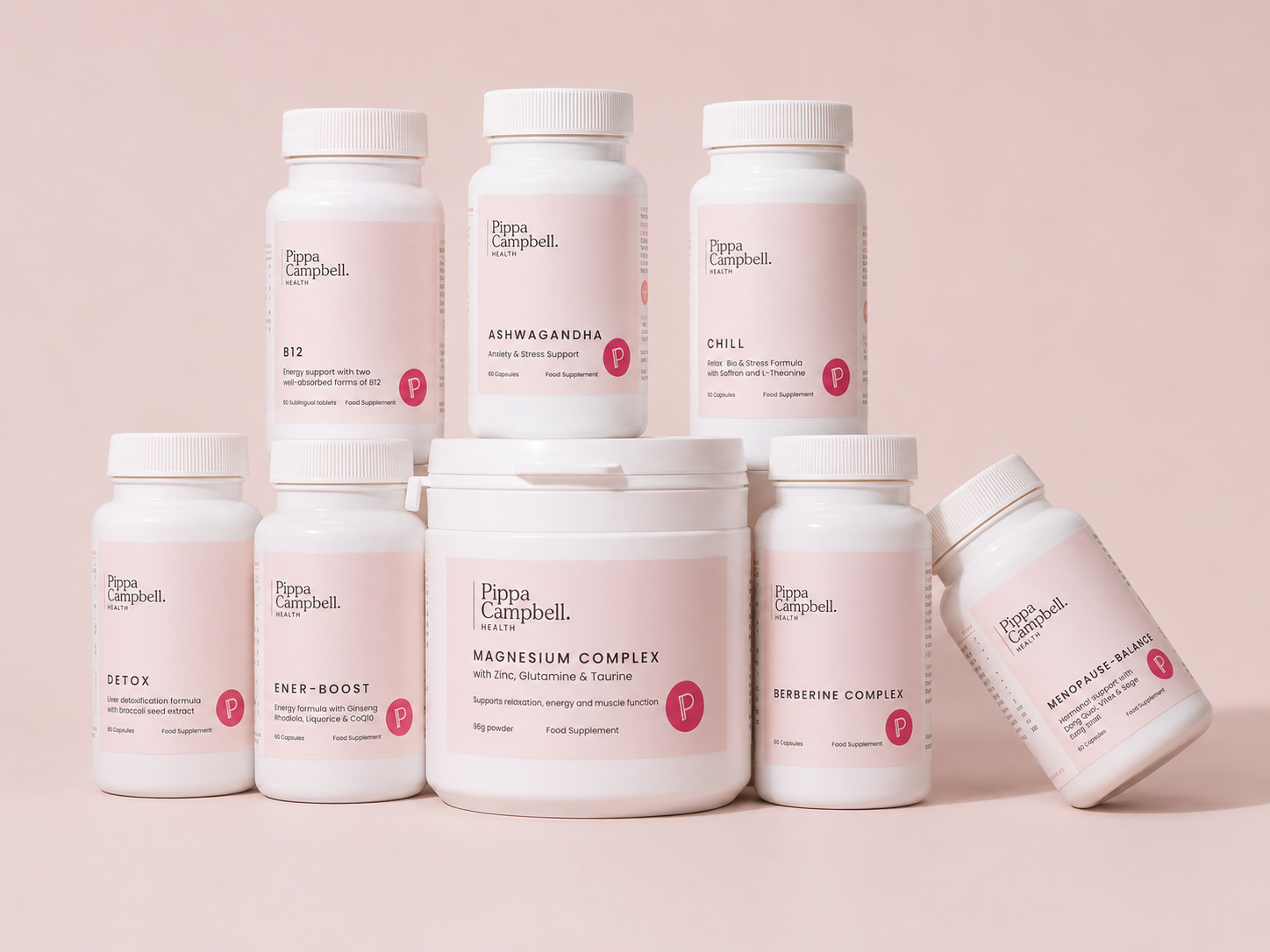
Thyroid hormone production depends on specific nutrient cofactors, and deficiencies in these are extremely common in women with Hashimoto’s. My Meta-Boost supplement was formulated with this in mind. It contains zinc, which is essential for thyroid hormone production and reduces inflammation; iodine, which is required for thyroid hormone synthesis and supports healthy thyroid function; selenium, which works alongside iodine as an antioxidant to reduce inflammation and improve the efficacy of thyroid hormone; and vitamin B6, which plays a vital role in thyroid hormone production and supports healthy lipid metabolism. Together, these nutrients address the production, conversion and regulation of thyroid hormones at a cellular level, something that diet alone is often not able to achieve.
Increasing amounts of research show that 90% of people with autoimmune thyroid disease have a genetic defect affecting their ability to process vitamin D. Ensuring adequate vitamin D levels is therefore essential for keeping the immune system balanced. I recommend my D3 Vegan Complex to my clients for consistent, absorbable daily support.
When it comes to testing, standard GP panels rarely tell the full picture. Our at home Thyroid Test goes further than a basic TSH reading. It measures TSH, Free T3, Free T4, TPO antibodies, giving you a far more complete view of how your thyroid is actually functioning and whether an autoimmune process may be at play. For more information, take a look at our Thyroid package.