Dehydroepiandrosterone (DHEA) is one of the hormones produced by your adrenal glands. Androgens are hormones that are generally higher in men and lower in women. Testosterone is a well-known androgen, produced by your ovaries, while DHEA comes from your adrenal glands. These glands are responsible for managing your body’s response to stress, and they release cortisol – the primary stress hormone. These small glands are triangular in shape and are located above both the kidneys. High levels of DHEA are often linked to stress, which is the main underlying cause.
Perhaps you’ve come across the abbreviation DHEA-S. DHEA, is the active form of the hormone. DHEA-S, which accounts for approximately 90% of DHEA in your body, is the inactive form. The S in DHEA-S represents sulfur, which is makes it inactive. Cruciferous vegetables such as broccoli, broccoli sprouts, cauliflower, brussels sprouts, kale, and arugula are all examples of sulfur-rich foods.
It’s important to keep your DHEA levels in check as having excessively high levels can be a sign of PCOS. The signs of high DHEA are similar to those of high testosterone, which is often caused by imbalances in blood sugar and insulin resistance. To manage high DHEA, it’s imperative to maintain blood sugar balance as imbalanced blood sugar levels can lead to inflammation and internal stress. If you’re experiencing symptoms of high DHEA, it might be worth making some changes to your lifestyle.
Source: 25022952
7 signs of high DHEA are:
1. Irregular Periods
If your menstrual cycle lasts more than 35 days or you don’t have a period every month, it is considered irregular. High levels of DHEA can cause irregular periods because they can prevent ovulation. Androgens, which are opposed to our other reproductive hormones, oestrogen and progesterone, are essential for healthy ovulation. Both oestrogen and progesterone have their ways of promoting ovulation, but if either hormone is impeded or produced insufficiently, ovulation may not occur. An irregular cycle is a sign that your hormones may be imbalanced.
Source: 27459230
2. Acne
Acne is a common sign of elevated DHEA levels. Our skin contains sebaceous glands that produce sebum, a liquid similar to oil that moisturises and protects the skin. However, when excess dead skin cells accumulate on the skin’s surface along with high levels of sebum, it can cause blockages in the sebaceous glands, leading to inflammation. This inflammation triggers a response from our body, sending white blood cells to the site of the blockage, resulting in the formation of white-headed pimples, also known as acne.
DHT, short for dihydrotestosterone, is produced when testosterone and DHEA react. DHT is responsible for an increase in sebum in the sebaceous glands. Therefore, if DHEA levels are high, more DHT will be produced. To treat hormonal acne, some medications aim to inhibit DHEA, which lowers sebum production and reduces acne overall.
Source: 20725580
3. Fatigue
Another sign of high DHEA is fatigue caused by adrenal exhaustion. When we experience prolonged stress, our bodies produce excess cortisol, which can overwork and exhaust our adrenal glands. Continuously producing cortisol throughout the day over time can lead to adrenal exhaustion, resulting in feelings of low energy, brain fog, and confusion. Cortisol can also harm oestrogen and progesterone levels, and since stress is a precursor to DHEA, this can cause elevated DHEA levels. Take the Adrenal Fatigue Questionnaire to assess your stress levels and get clear next steps to start feeling more energised and in control again.
4. Anxiety
High levels of DHEA can cause anxiety as a symptom. This can be especially true for females, who may experience anxious tendencies and episodes due to the aggressive nature that testosterone and DHEA can bring about. The link between anxiety and high androgens can stem from additional symptoms related to high DHEA or testosterone, such as infertility, hair loss, and facial hair growth, which can make women feel less confident and more stressed. Furthermore, balanced levels of oestrogen and progesterone can have protective effects on our mood, but when DHEA is high, these reproductive hormones tend to be low.
Source: 24076484, Harvard Health
5. Hirsutism
Another sign of high DHEA levels is hirsutism, which is the growth of unwanted hair on the face or body. It is a common symptom associated with PCOS and occurs due to an increase in androgen production in females, which could be testosterone or DHEA. The reason for facial hair growth is that the hair follicles on the face become overstimulated by a compound called DHT, which results in rapid growth and increased pigmentation of the hair.
Source: 20418968
6. Oily Skin
In addition to acne, oily skin is also a potential sign of high DHEA levels. As mentioned earlier, testosterone and DHEA can transform into DHT, which causes the skin to generate more sebum. Sebum is an oily liquid, so an excess of it leads to oily skin.
Source: 30881413, European Journal of Obstetrics and Gynecology
7. Hair Loss
Hair loss is also a sign of high DHEA, especially in women. This occurs because the hair follicles shrink in size and increase in terminal follicles. While DHT promotes facial hair growth, it acts as an opponent to head hair follicles. The more DHEA in the body, the more DHT is produced, resulting in hair loss and a decrease in hair follicle size.
How to treat high levels of DHEA naturally
DHEA is a crucial hormone that needs to be within a specific range to function properly. Stress and other everyday conditions can have adverse effects on DHEA levels and lead to symptoms of androgen excess. If you are suffering from high DHEA levels, it’s essential to identify the root cause and focus your treatment on addressing it.
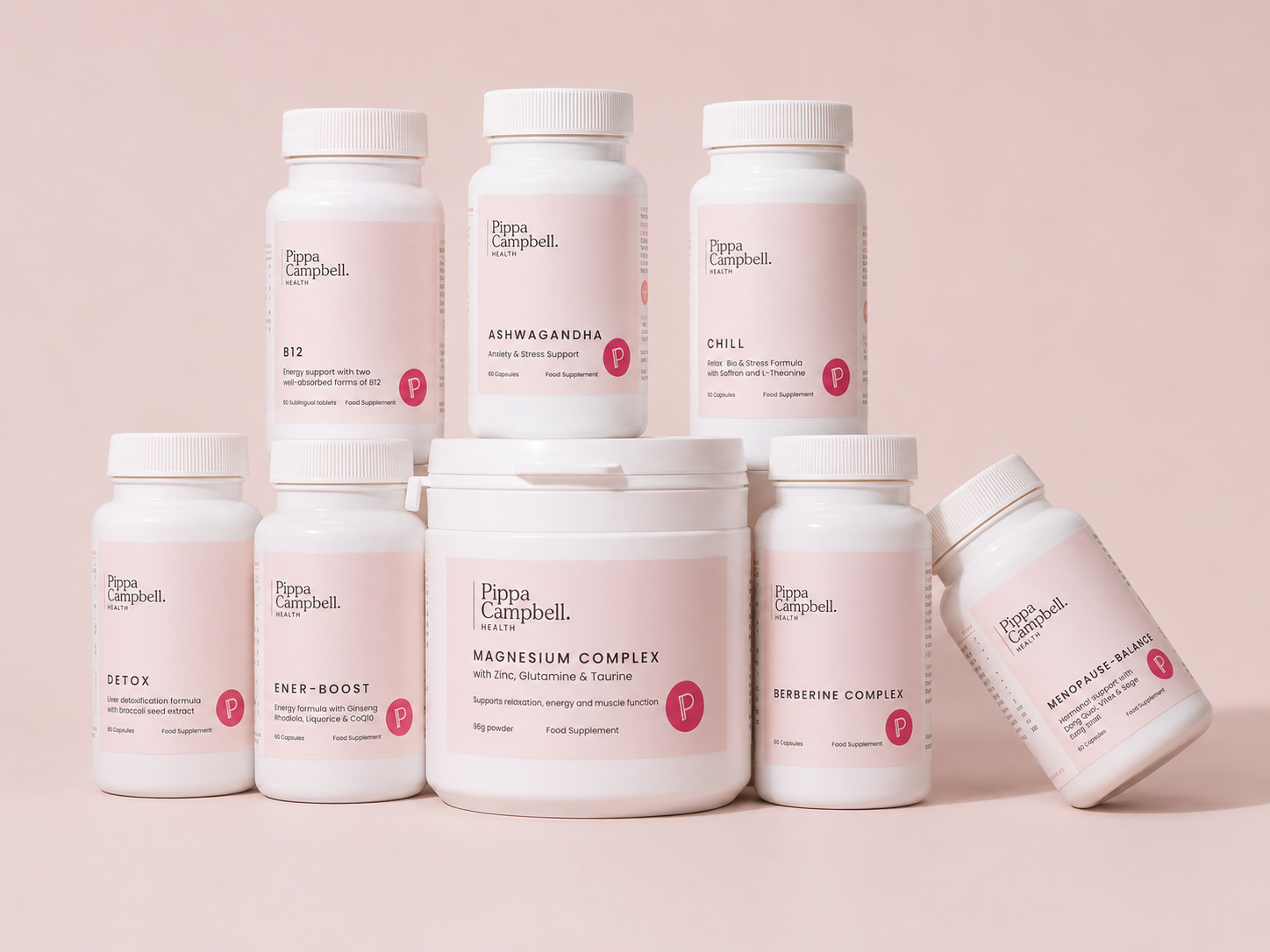
The course of treatment for elevated DHEA levels varies depending on the root cause. Natural methods, such as stress-reducing techniques, dietary and lifestyle modifications, adequate restful sleep, and taking targeted supplements like PCH Just Ashwagandha, PCH Chill relaxation and stress formula containing L-Theanine and PCH Mood and Sleep may be helpful.
What about low levels of DHEA?
Producing healthy levels of DHEA is crucial for maintaining optimal bone density, immune function, skin health, fat metabolism, and muscle growth.
Stress Hormones Before Sex Hormones
The adrenal glands help to regulate the body’s ability to adapt to stress and they also produce hormones that regulate reproduction. Adapting to stress overrides reproduction. Adapting to stress is critical for immediate survival and that is the first priority. Once our body understands that we are not under threat, then it will focus its energy on reproductive hormones.
The major stress hormones are cortisol, adrenaline and noradrenaline. These hormones help increase energy, increase blood sugar levels and speed up circulation and respiration to help the body survive through fight or flight.
The major sex hormones produced by the adrenals are oestrogen, progesterone and testosterone. These are all critical for growth, metabolism, strength, endurance, mental drive, menstrual function and reproductive ability.
The master hormone that is used by the body to produce cortisol and progesterone is called pregnenolone. It’s important to know that pregnenolone has the ability to create cortisol, progesterone, or DHEA. DHEA is a hormone used by the body to produce testosterone and oestrogen. When the body is constantly experiencing stress, there is a high demand for cortisol production, which in turn reduces the amount of progesterone and DHEA produced.
Persistent stress and irregular sleep patterns can lead to an increase in cortisol, which is commonly known as the stress hormone. When these problems become chronic, they can give rise to a phenomenon called “pregnenolone steal”. Under high-stress situations, this process shifts the focus towards the production of cortisol, which causes a depletion in the production of DHEA as pregnenolone is taken away from the DHEA production pathway to produce more cortisol. This leads to a reduction in DHEA levels in the body.
Correct the Adrenal Stressors First
Many people rush out and look for DHEA-boosting supplements, however, lifestyle factors that deplete DHEA levels should be addressed first. The most important factor includes reducing/eliminating adrenal stressors such as long-term intermittent fasting, medications, stress, leaky gut syndrome, food sensitivities, parasites, bacteria and other infectious agents, chronic inflammation, physical nerve stress, nutrient deficiencies, poor sleep, and blood sugar imbalances.
Reduce Stress AND IMPROVE Sleep
Reducing stress and improving your sleep are key steps to lower the production of stress hormones, inflammation and oxidative stress. As a result of this, your body will be able to produce optimal DHEA levels. I like to recommend that clients engage in activities that lower their stress levels and calm their minds.
Meditation, breathwork, practising a positive mindset, spending time outside, exercise, connecting with loved ones, having a relaxing bath with Epsom salts baths, and sleeping 7 to 9 hours a night.
Foods to boost DHEA
This anti-inflammatory diet should be very low in sugar, refined carbohydrates and generally lower GI so less carbohydrates and more non-starchy vegetables. Eat foods rich in phytonutrients and trace minerals from fresh, raw or lightly steamed vegetables. Eat anti-inflammatory herbs such as turmeric, ginger, rosemary, thyme, oregano, and cinnamon.
Healthy fat consumption is an essential part of creating cholesterol which is needed to produce DHEA. Healthy fat sources include olive oil, coconut products, avocados, nuts, seeds, & pure omega-3 fish oil supplements such as my PCH Krill Oil.
Healthy protein sources to boost DHEA production include wild-caught fish, grass-fed red meat and free range chicken, turkey, and eggs.
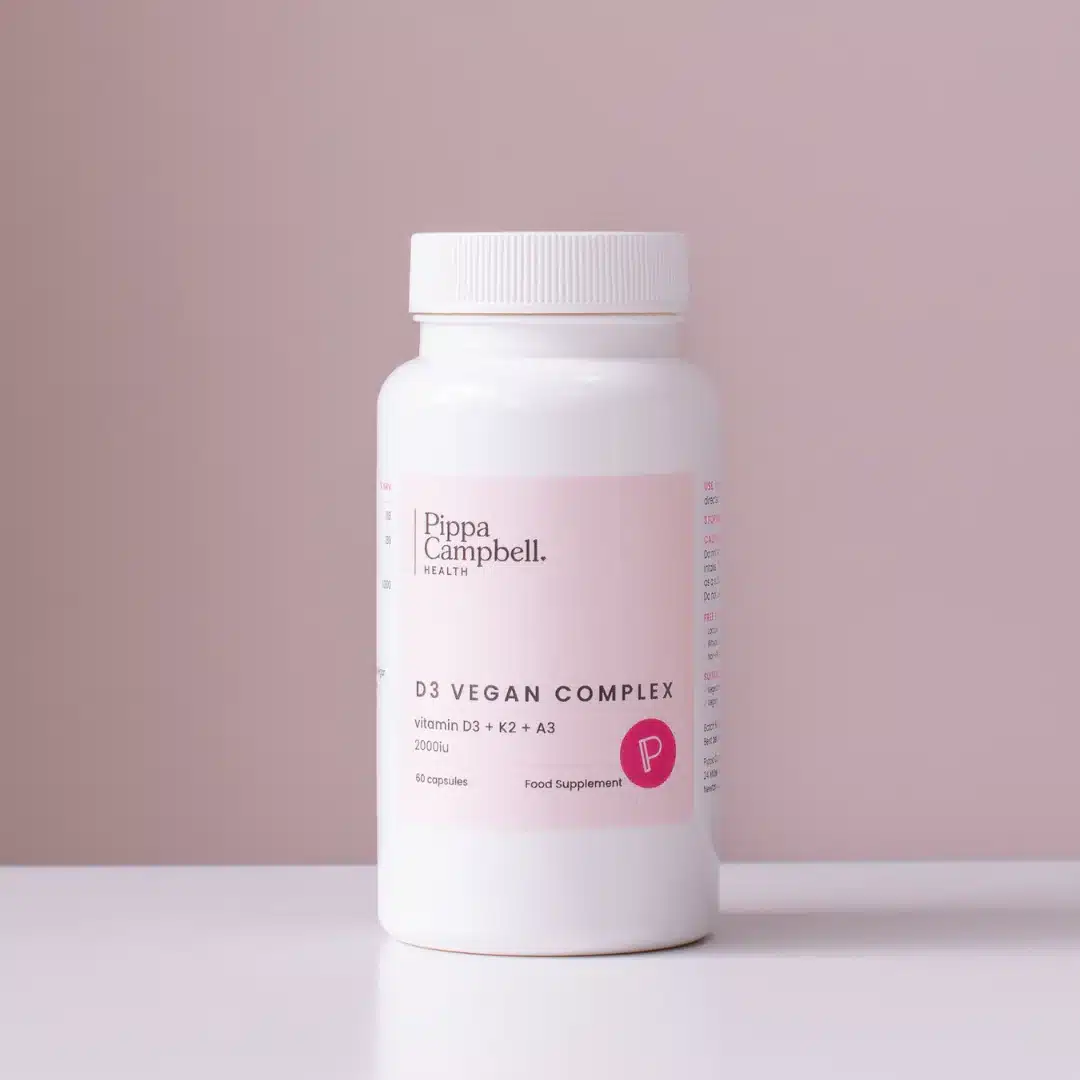
Vitamin D plays a very important role in healthy DHEA levels. Get regular sun exposure and/or supplement to maintain vitamin D at optimal levels. I usually advise supplementing with vitamin D. Try my PCH Vegan D3 Complex.
To support the HPA axis and stress response use a good quality adaptogen such as my PCH Just Ashwagandha as well as my PCH Chill which are great for calming the body, reducing anxiety and improving focus. Try my PCH Mood & Sleep for improving sleep quality.
You can check DHEA, DHES and Cortisol levels as well as female sex hormones with our DUTCH test. For more information on the Dutch packages we offer please see our website.
Consider booking a Dutch Test – Dutch testing measures DHEA and the storage form DHEA-S. This isn’t measure on the NHS. It’s important to understand levels of DHEA especially in perimenopause and menopause so we can manges frustrating symptoms.
Products Featured In This Blog
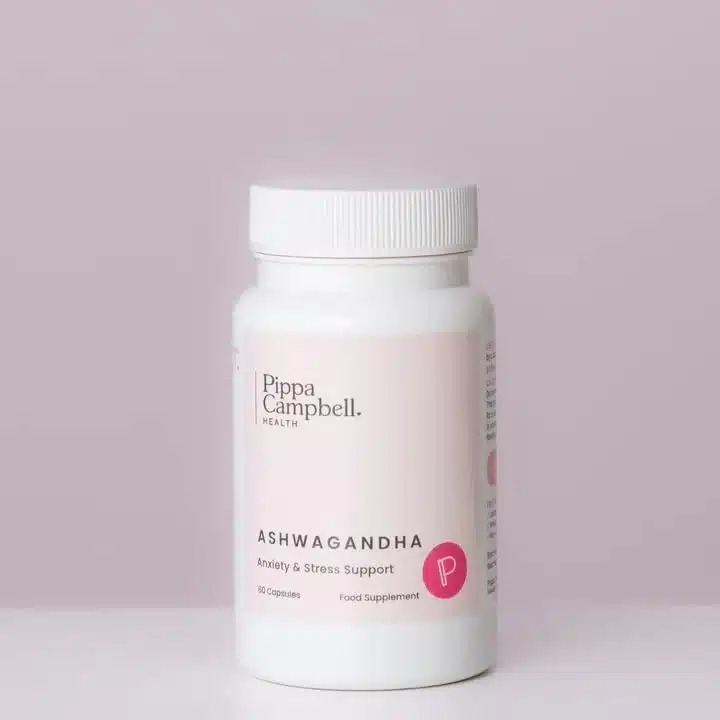
Just Ashwagandha

Chill

Mood + Sleep
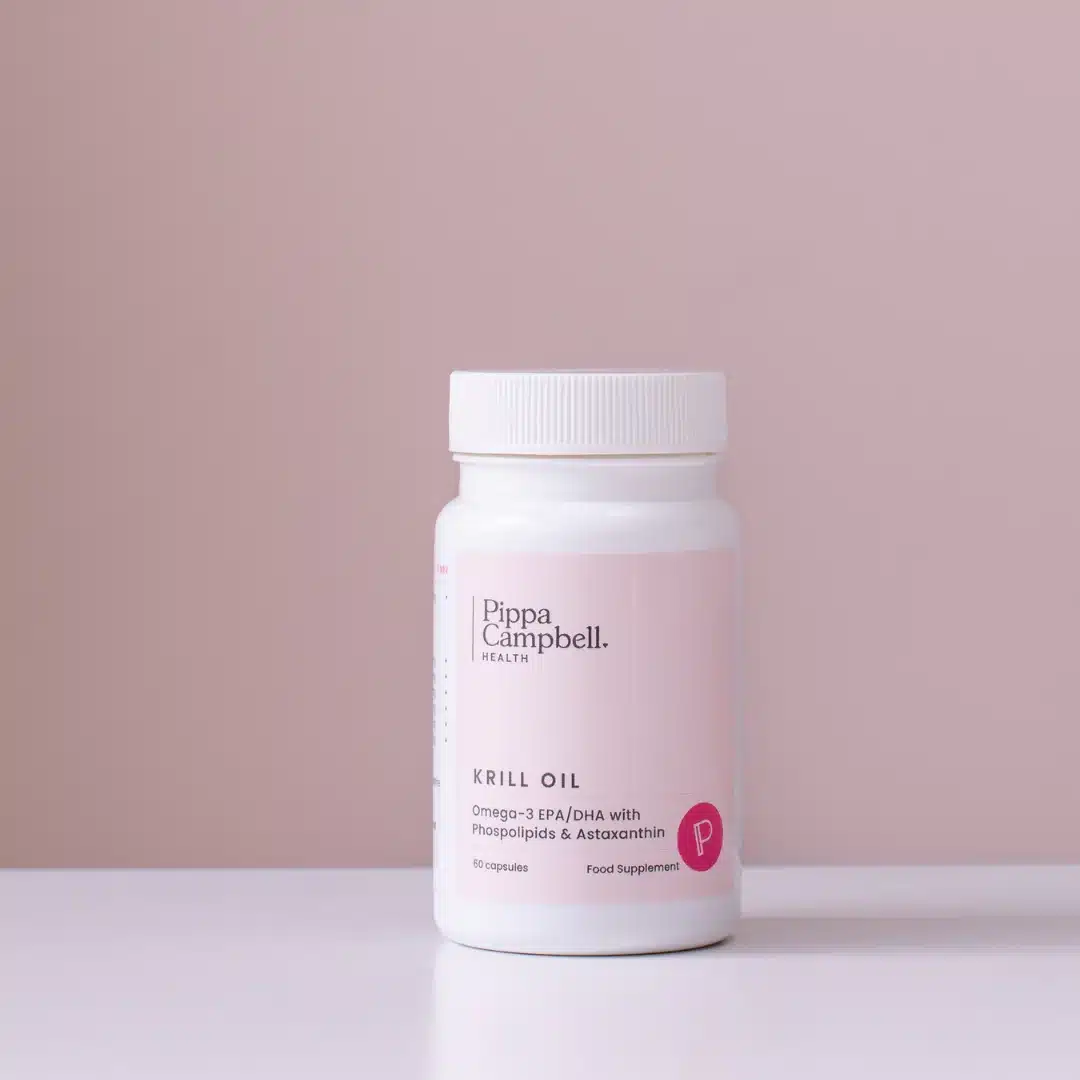
Antarctic Krill Oil