Convenience and quick fixes such as fad diets are an accepted part of modern life. We want something and we want it now!
The growth of online shopping and the internet has meant we can get answers to things very quickly, get products delivered the next day – sometimes the same day.
We live in a world where instant gratification has become (almost) the norm.
Unfortunately, we also expect that from our bodies.
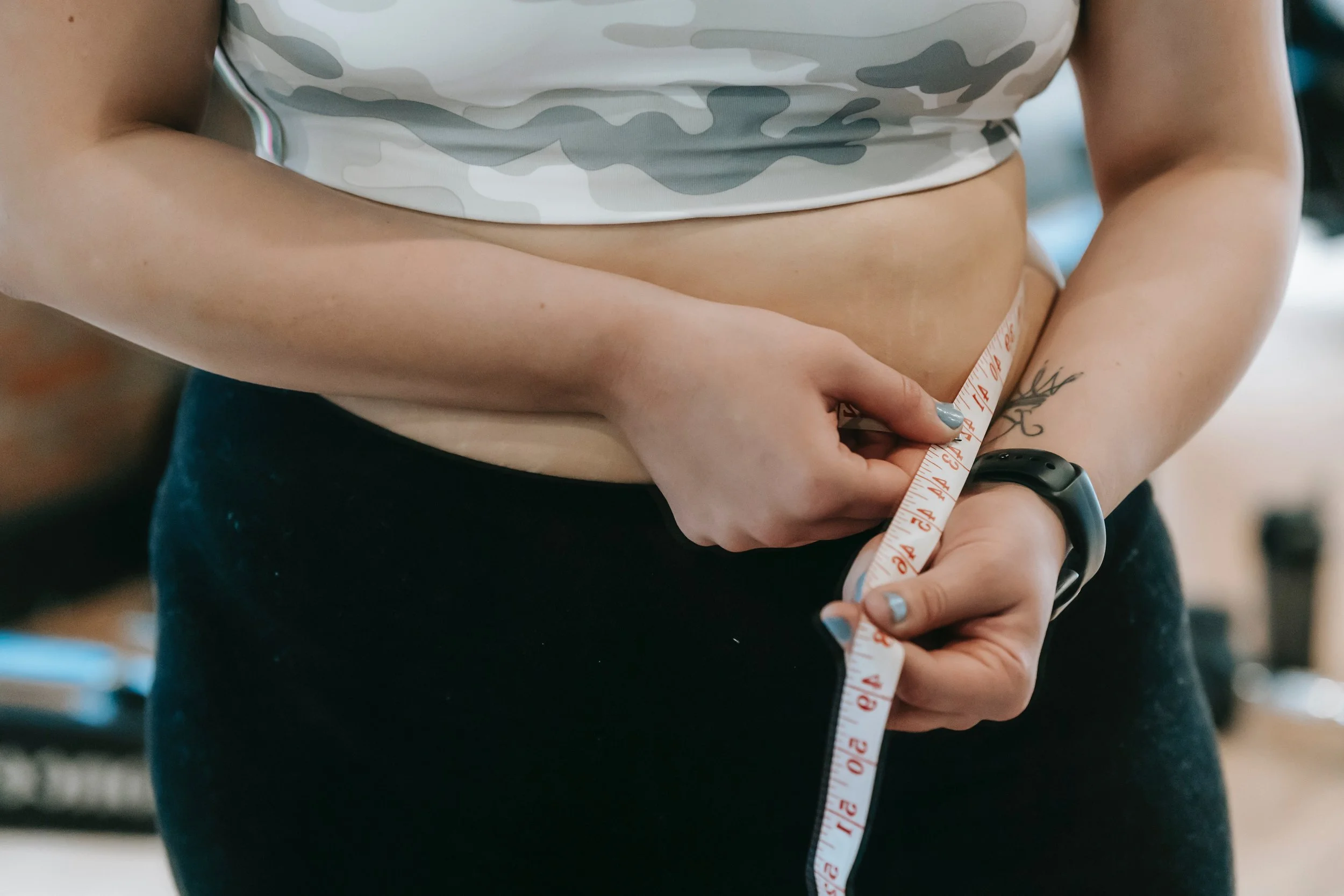 We need to lose ½ stone to fit into that bikini in a month’s time. We need to look good in the LBD for the Christmas party in 2 weeks. Sound familiar?
Fast Weight Loss Doesn’t Usually Work
However, rapid weight loss is rarely sustainable and fad diets not only don’t work in the longer term but can end up making us put on weight!
Our weight has a ‘set point’ which is determined by a part of the brain called the hypothalamus. It helps maintain the set point or our ‘ideal weight’ by releasing hormones that control our hunger and appetite – grehlin and leptin respectively.
The hypothalamus also controls our basal metabolic rate (BMR). This is the amount of energy we need just to be alive.
Crash Dieting is Bad News
When we severely restrict food on a crash diet, for example, grehlin, our hunger hormone goes into overdrive and we become obsessed with food! Leptin, our satiety hormone which tells us we are full, decreases to low levels and so we feel hungry (cue binge eating).
Crash dieting and fad diets can also switch up a person’s ‘set point’ weight as the body reacts to the diet as it might in a famine. As soon as we go back to normalised eating, the body wants to hold onto more fat just in case! Our ‘set point’ is then increased permanently and we can end up heavier.
Losing weight quickly also impacts our health in a number of other, negative ways.
We can experience:
-
Low blood sugar and blood pressure – symptoms can include feeling light-headed or even fainting, feel nauseous and blurred vision
-
Dehydration
-
Loss of muscle tissue – including from vital organs
-
Toxins being released quickly from fat cells
-
Fatigue
-
Mineral and vitamin deficiencies
Genetics
There are also other reasons why fad diets don’t work for you (but may work for your friend).
Our genetic make-up is completely individual to us so whilst going on a no-carb diet could work for one person, the next person might very well process carbs differently and need them to function without feeling light headed or weak.
Fad diets often cut out entire food groups which is not only unsustainable but puts you at risk of nutrient deficiencies.
For example, when you follow very low carb diets, you may not be getting adequate fibre which can cause symptoms such as constipation and muscle cramps.
Getting plenty of greens and other vegetables in your diet is essential for a healthy gut microbiome and digestive system.
These foods provide the fibre necessary for us to poop regularly, excreting toxins that can also hinder weight loss.
So What’s The Answer?
Learning and developing a way of eating that is sustainable for you is usually the best way of improving health and maintaining an optimal weight – and of course losing weight if you want to.
It’s important to count nutrients, not just calories.
When you lose weight through changing what you eat permanently, you are less likely to put the weight back on.
Weight loss and maintaining your ideal weight is also a multi-pronged approach. There are other factors such as stress and sleep that can affect weight.
Want my top tips on how to lose weight in a sustainable way?
The rest of this article is available in The Female Food Club! Sign up HERE!