Once oestrogen has done its work it is then sent to the liver to be metabolised. The liver will then send the oestrogen to the gall bladder and is then sent to the intestines/gut for excretion out of the body. Oestrogen also gets excreted in the urine. If the liver, gall bladder or gut are overburdened or unbalanced this often leads to an inability of the body to successfully break down and eliminate oestrogen and therefore oestrogen can recirculate or re-enter the system leading to symptoms of oestrogen excess.
Common symptoms of oestrogen dominance are tender breasts, heavy and painful periods, ACNE, fatigue, bloating, and PMS symptoms. Over time oestrogen dominance can lead to issues like ovarian cysts, fibrocystic breasts, uterine fibroids and increase risk of oestrogen cancers.
Reasons for Oestrogen Dominance
1. The liver: The liver’s job is to process oestrogen and render it inactive in the body. It does this through phase I and phases II liver detoxification pathways. There are three main reasons the liver would fail to process oestrogen correctly:
-
The liver is overburdened with toxins
-
Nutrient deficiencies
-
Stress
Regular exposure to toxins from food and the environment can overburden the liver. Alcohol, medications and recreational drugs are highly toxic to the body. Oestrogen is seen as less of a threat and so is not prioritised by the liver. Other environmental toxins that can burden the liver include chemical food additives, herbicides & pesticides, cosmetics, plastics and cleaning products.
It is still possible for the liver to not be functioning optionally even if external toxins are kept low. This is due to nutrient deficiencies or high stress. The liver needs an extensive amount of nutrients including protein, fat-soluble vitamins A D E and K, magnesium, zinc, selenium and B vitamins in order to function optimally. For women, this may be caused by inadequate diet but often it is also caused by nutrient depletion following hormonal contraception. Medications can deplete nutrients as well as periods of intense nutrient demand such as pregnancy, breastfeeding or active lifestyles that require intense physical exercise.
Excess stress contributes to oestrogen dominance, this is because stress hormones: cortisol and adrenaline are very large molecules that also must be broken down in the liver for elimination. In the presence of too much cortisol, the liver struggles to also process oestrogen. Cortisol lowers the ovarian output of oestrogen and progesterone while simultaneously raising circulating oestrogen levels.
The solution to improving oestrogen dominance by optimising liver function is to reduce external toxin exposure, correct any nutritional deficiencies and lower stress.
2. Gall bladder: The main role of the gall bladder is to process fat. The exact role of the gall bladder in processing oestrogen is not well understood however it comes down to the fact that bile made in the liver has to remove oestrogen and other toxins after they have been detoxified in the liver. Poor bile production in the liver or poor bile flow can cause the toxins to overflow and not be carried out in the bile. This bile is then stored in the gall bladder.
Also the relationship between oestrogen and fat. We know that periods of high oestrogen exposure such as in pregnancy, using synthetic oestrogens in hormonal birth control as well as hormone replacement therapy (HRT) increase cholesterol production in the liver which can burden the gall bladder and lead to gall stones. At the same time, high-fat diets have been shown in studies to increase oestrogen in the body. High fat leads to high oestrogen and high oestrogen leads to high cholesterol. Studies show fat greatly increases the reabsorption of oestrogen from bile secretions leading to oestrogen dominance. Conversely, removal of the gall bladder leads to a sharp increase in oestrogen dominance symptoms shortly after surgery. Gall bladder issues that relate to oestrogen dominance are more likely to occur in the perimenopause period when oestrogen levels are fluctuating and varying changes in metabolism occur.
Improving gall bladder function is dependent on improving liver function, taking care not to overeat or consume overly fatty or greasy foods and avoiding exposure to external oestrogens from hormonal birth control and HRT. Improving gall bladder function may improve both liver and gut function which can help minimise symptoms of oestrogen dominance.
3. Intestines/Gut: The role of the gut is to safely remove metabolised oestrogens from the body. Generally speaking, constipation will lead to the reabsorption of oestrogen in the body. Regular bowel movements 1-3 times a day are needed for adequate excretion of oestrogen from the body. A good microbiome is also needed to help move oestrogen out of the body. Gut dysbiosis is a known cause of oestrogen dominance. Some less friendly bacterial strands have been shown to excrete an enzyme called beta-glucuronidase that can reactivate the inactive forms of oestrogen which will then re-enter the bloodstream and recirculate in the body.
Improving gut function can be complex and may need professional attention but eating fibre found in whole plant foods helps to trap oestrogen in the stool while also building the gut microbiome. Women consuming high fibre diets show significantly increased excretion of oestrogen in the stool.
4. External oestrogen sources: Oestrogen can also be obtained through external sources. Toxic chemicals found in everyday cosmetics, cleaning products, as well as herbicides and pesticides, contain chemicals known as “xenoestrogens” which can mimic the action of oestrogen in the body and further increase the load of oestrogen in the body. Animal products contain real oestrogens produced in the body of the animals, even if the animals are not treated with added hormones. Environmental toxins such as pesticides are stored and concentrated within animal fat. This toxicity and high fat intake will simultaneously “clog” up liver cells and burden the gall bladder. Animal-based saturated fat is also shown to negatively impact the microbiome in the gut.
5. Body Fat: One final aspect of oestrogen dominance is excess body fat. There is a strong relationship between fat and oestrogen. Too little body fat can lower oestrogen produced by the ovary leading to a lack of ovulation and loss of period (this is partially why many women with eating disorders lose their periods). Conversely, having too much body fat can lead to oestrogen dominance. This is because fat cells create oestrogen and the more fat cells there are the more oestrogen is produced. Excess body fat can lead to oestrogen dominance symptoms as mentioned above.
6. Converting testosterone to oestrogen too quickly via aromatisation: This is the process that converts testosterone into oestrogen. This is a natural process your body goes through to maintain homeostasis. But for some women (often genetic) they convert it too quickly which can result in too much oestrogen. This can happen more in perimenopause when oestrogen is already fluctuating and also with the use of testosterone HRT.
7. Any of the above can be genetic (especially impaired oestrogen detoxification in the liver) as seen in our DNA testing. Whilst we can’t change our genes we can change the way they behave.
What Can You Do to Detox Oestrogen?
There are lots of great food that you can eat to support oestrogen detoxification. All the foods are listed in my book Eat Right, Lose Weight under the oestrogen type. You’ll also find Blogs here, use the word ‘Oestrogen’ in the search.
Testing –
Dutch test package and Female Health Gold or Platinum DNA.
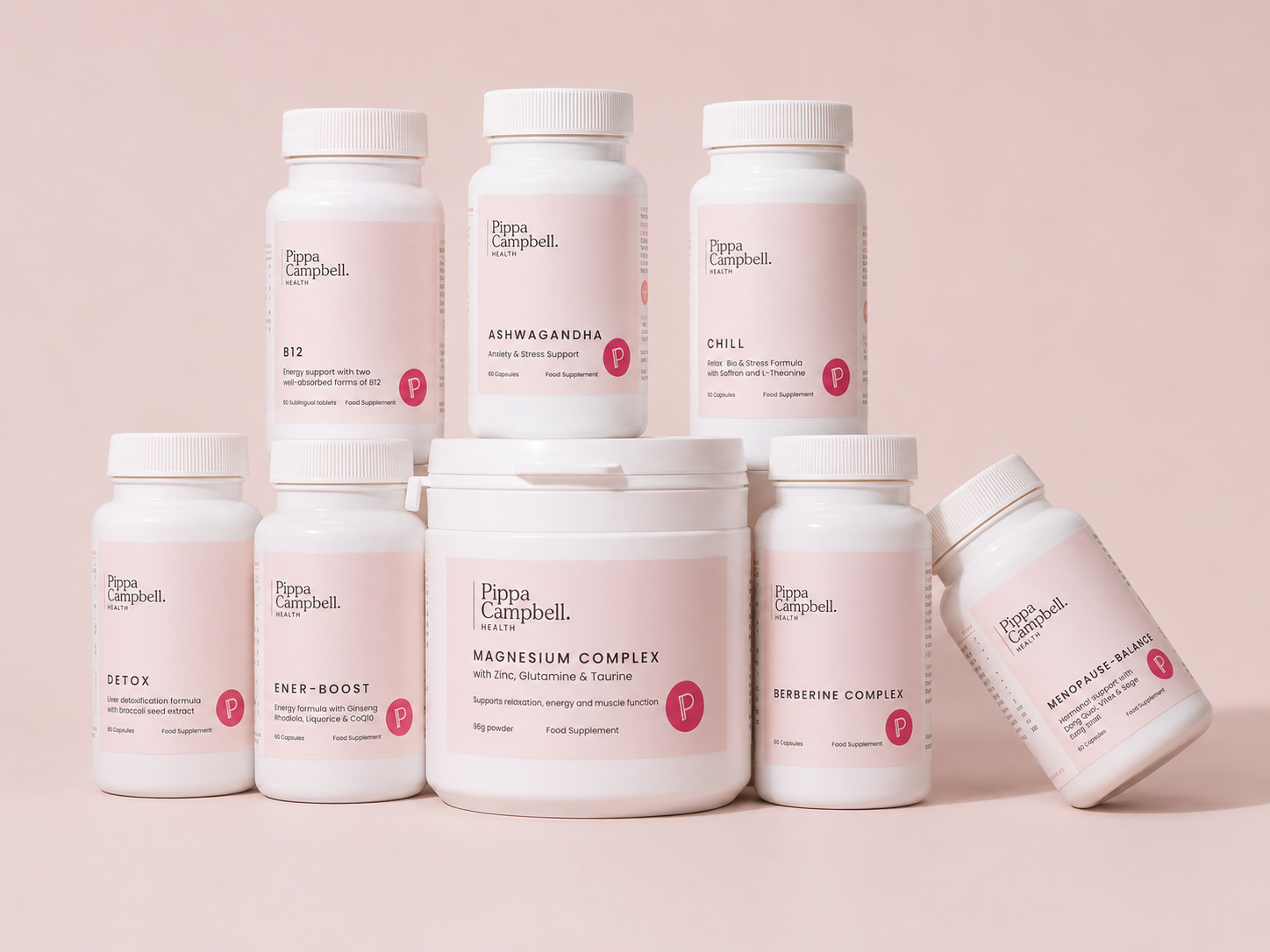
Try PCH Balance – a peri menopause and menopause formula which helps support women experiencing hormonal imbalances
Try PCH Detox – supports our bodies with the right balance of vitamins and minerals needed to optimise the detoxification process
References:
https://www.ncbi.nlm.nih.gov/pmc/articles/PMC5580118/
https://www.ncbi.nlm.nih.gov/pmc/articles/PMC2756670/
https://www.ncbi.nlm.nih.gov/pmc/articles/PMC2656650/
https://pubmed.ncbi.nlm.nih.gov/3628202/
https://pubmed.ncbi.nlm.nih.gov/30655101/
https://cebp.aacrjournals.org/content/27/5/585