Hormonal imbalances don’t always show up in obvious ways. Sometimes, they quietly build behind the scenes—until your body makes it impossible to ignore. If you’ve ever dealt with unexpected spotting, heavier periods, or post-menopausal bleeding, uterine (or endometrial) polyps could be part of the picture.
While these small growths are usually harmless, they can be a sign that your hormones are out of sync—and that’s something worth paying attention to.
What Are Endometrial Polyps?
Endometrial polyps are soft, fleshy growths that arise from the inner lining of the uterus (the endometrium). They can be as tiny as a sesame seed or large enough to distort the shape of the uterus. Some women develop a single polyp, while others may have several at once.
These polyps are made up of both glandular tissue and blood vessels, which is why they can be prone to bleeding—especially after sex, during your period, or even spontaneously.
Why Do They Develop? The Hormonal Link
While the exact cause isn’t fully understood, one thing is clear: oestrogen is often the main driver. Oestrogen encourages the growth of the endometrial lining, and when it becomes dominant—whether through natural hormonal shifts or external influences—polyps can form as a result.
This is why polyps are more common during perimenopause, a time when oestrogen levels fluctuate wildly and progesterone often struggles to keep up.
Certain medications, such as tamoxifen (commonly prescribed for breast cancer), can also mimic oestrogen in the uterus and raise your risk of developing polyps. Even though tamoxifen blocks oestrogen in breast tissue, it can behave differently in other parts of the body, including the endometrium. Tamoxifen exhibits both oestrogen-like (agonist) and anti-estrogen (antagonist) effects, depending on the tissue. In breast tissue, it acts as an antagonist, inhibiting estrogen-driven cancer cell growth. Conversely, in the uterus, tamoxifen functions as an agonist, stimulating the endometrial lining, which can lead to thickening (hyperplasia) and an increased risk of endometrial cancer.
https://pmc.ncbi.nlm.nih.gov/articles/PMC7564212/?utm_source=chatgpt.com
Who Is Most at Risk?
Polyps can occur at any age after puberty, but they’re most commonly seen in women between the ages of 40 and 50—particularly during the oestrogen rollercoaster that is perimenopause. That said, they can also appear in younger women, especially those with hormonal imbalances.
While most polyps are benign, a small percentage can show precancerous or cancerous changes. This is why many doctors will suggest removing them and sending them for analysis, even if they’re not causing immediate symptoms.
Spotting the Signs: When to Investigate
Some polyps don’t cause any symptoms and are only found during routine scans. Others, however, make their presence known with signs like:
- Irregular or heavy periods
- Spotting between cycles
- Bleeding after sex
- Infertility or trouble conceiving
- Postmenopausal bleeding
Any of these symptoms—especially after age 40 or following menopause—warrant a closer look.
How Are Polyps Diagnosed?
If you’re experiencing irregular bleeding, your doctor might order imaging tests to investigate further. These can include:
- Pelvic ultrasound – often the first step, using sound waves to get a view of the uterus.
- Saline sonohysterogram – a special ultrasound using saline to highlight abnormalities in the uterine lining.
- Endometrial biopsy – where a small sample of the uterine lining is taken for analysis.
- Hysterosalpingogram (HSG) – typically done for fertility investigations.
Treatment Options: Removing the Root Cause
The most common and effective treatment for polyps is a hysteroscopic polypectomy. This is a minimally invasive procedure in which a thin, lighted instrument (a hysteroscope) is inserted into the uterus to locate and remove the polyp.
It’s usually an outpatient procedure, with a relatively quick recovery time—and most women feel significant relief afterward.
What If You’re Postmenopausal?
This is where things need closer monitoring.
Bleeding after menopause is never normal, and polyps in this phase of life should always be investigated. In some cases, they can be linked to endometrial hyperplasia, a condition where the uterine lining becomes abnormally thick and may progress toward cancer if left unchecked.
Even if hormone therapy has recently been started or adjusted, it’s important to report any unusual bleeding to your doctor.
Supporting Hormone Health Naturally
Polyps are often a sign of oestrogen dominance—where your body has too much oestrogen relative to progesterone. Supporting liver detoxification of oestrogen (depending on what your DUTCH test results show), reducing xenoestrogen exposure (from plastics, synthetic fragrances, and pesticides), and nourishing your body with the right nutrients can help bring your hormones back into balance.
Consider working with a practitioner who understands the root cause approach to hormone health. Functional testing (like DUTCH hormone testing) can offer insight into your oestrogen metabolism, helping you take informed, personalised steps forward.
Suggested Supplements
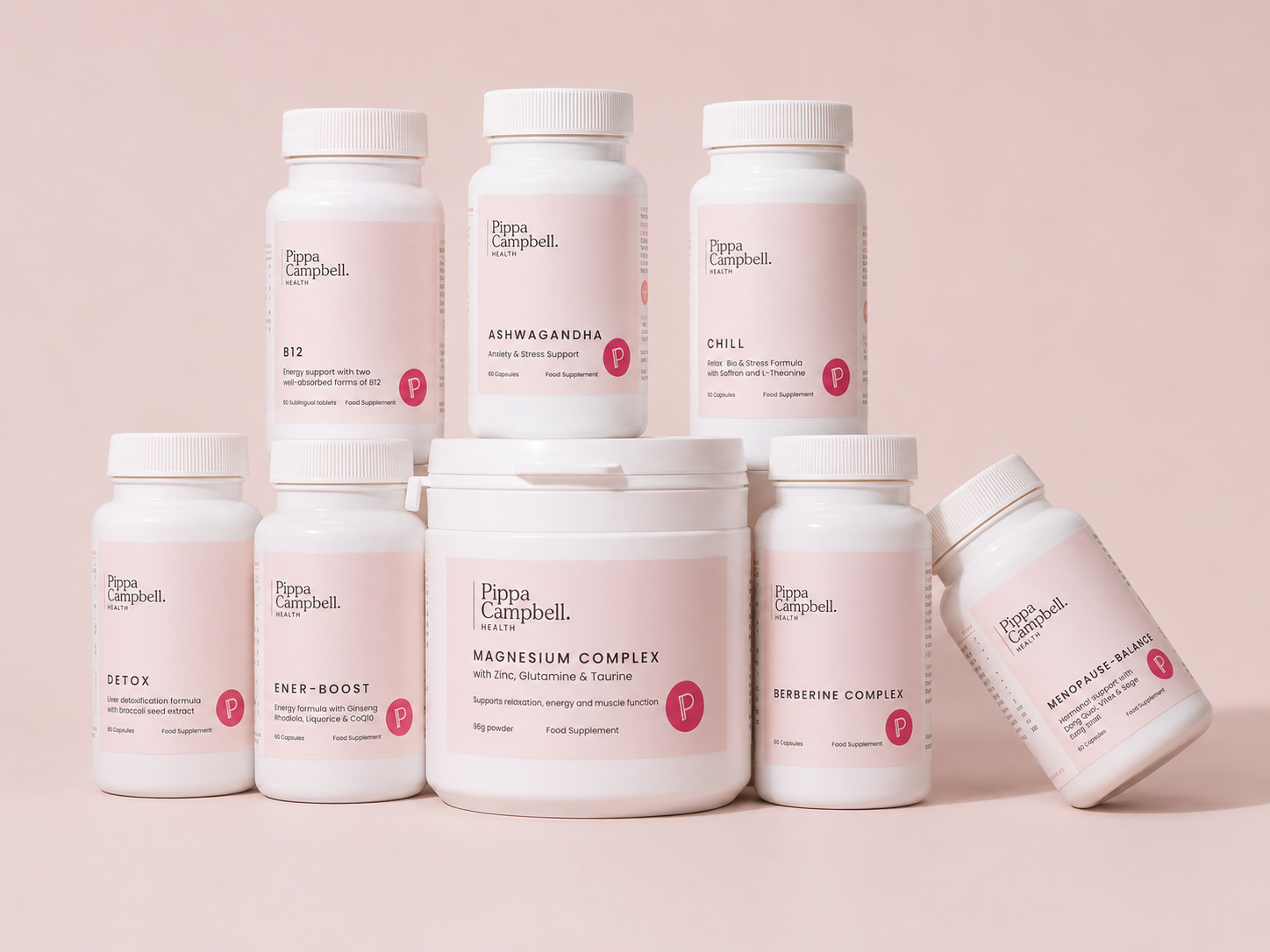
- To support liver detoxification – try PCH Detox and PCH Super Greens
- To support methylation – consider PCH B Complex and PCH Magnesium Complex
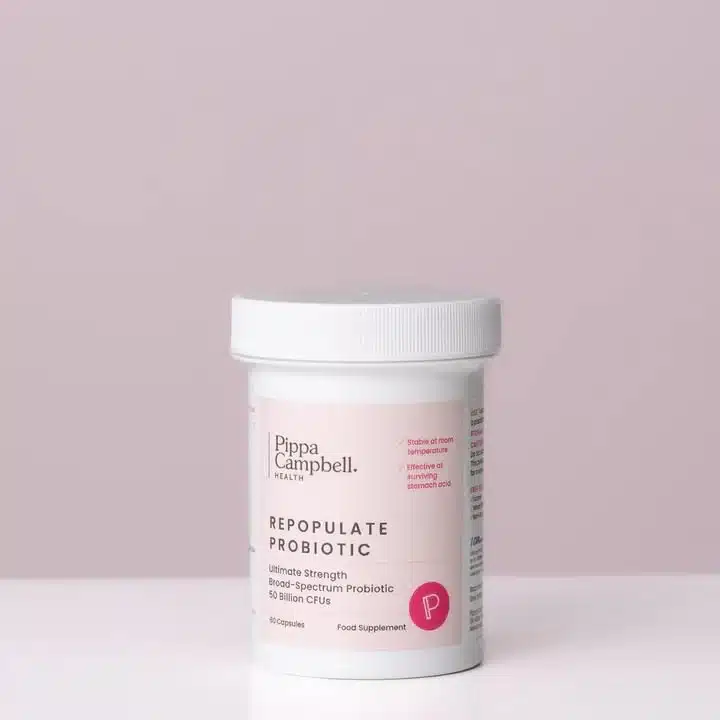
- To support oestrogen detoxification in the gut – try PCH Gut Repair and PCH Repopulate Probiotic
Conclusion
Uterine polyps are common—and usually not cause for alarm—but they can be your body’s way of waving a red flag about hormonal imbalance. Whether you’re noticing heavier bleeding, irregular cycles, or spotting in between, it’s worth digging deeper. You don’t have to suffer in silence or be dismissed as “just hormonal.”
Take a look at the 5 simple steps to balancing your hormones in our free hormone training video here
For more tips on balancing hormones, check out my book, Eat Right, Balance Hormones, which is packed with advice tailored towards your specific symptoms, lifestyle tips and loads of delicious, easy hormone-friendly recipes
Listen to your body. Understand your hormones. And take empowered steps toward balance.
Products Featured In This Blog
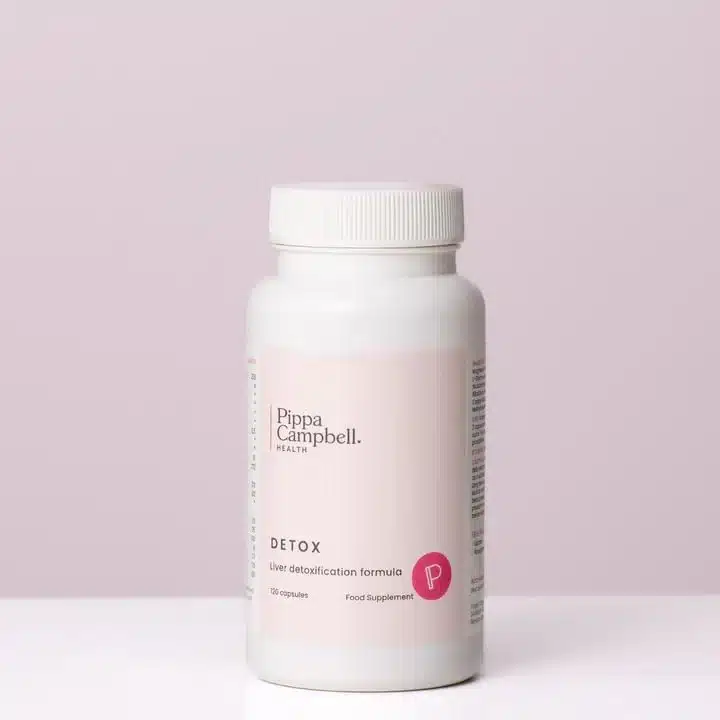
Detox
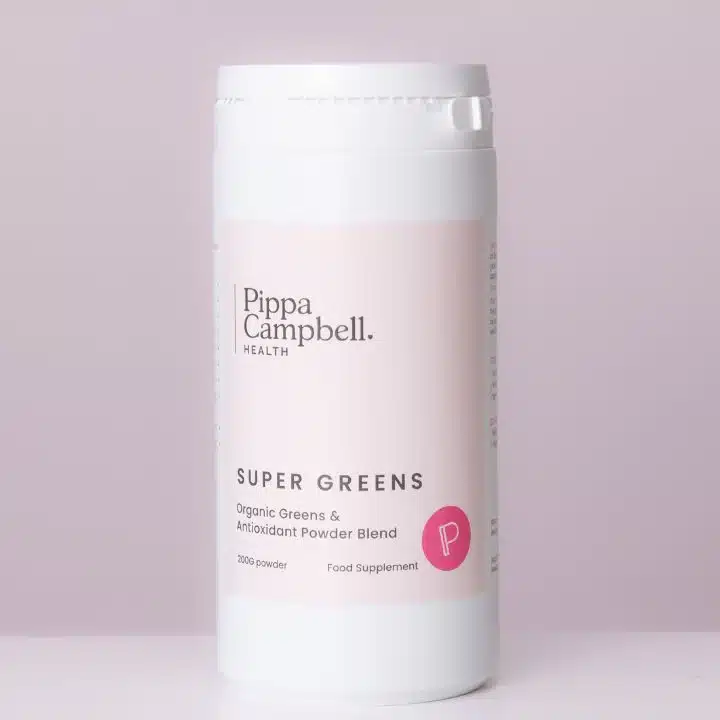
Super Greens

B-Complex
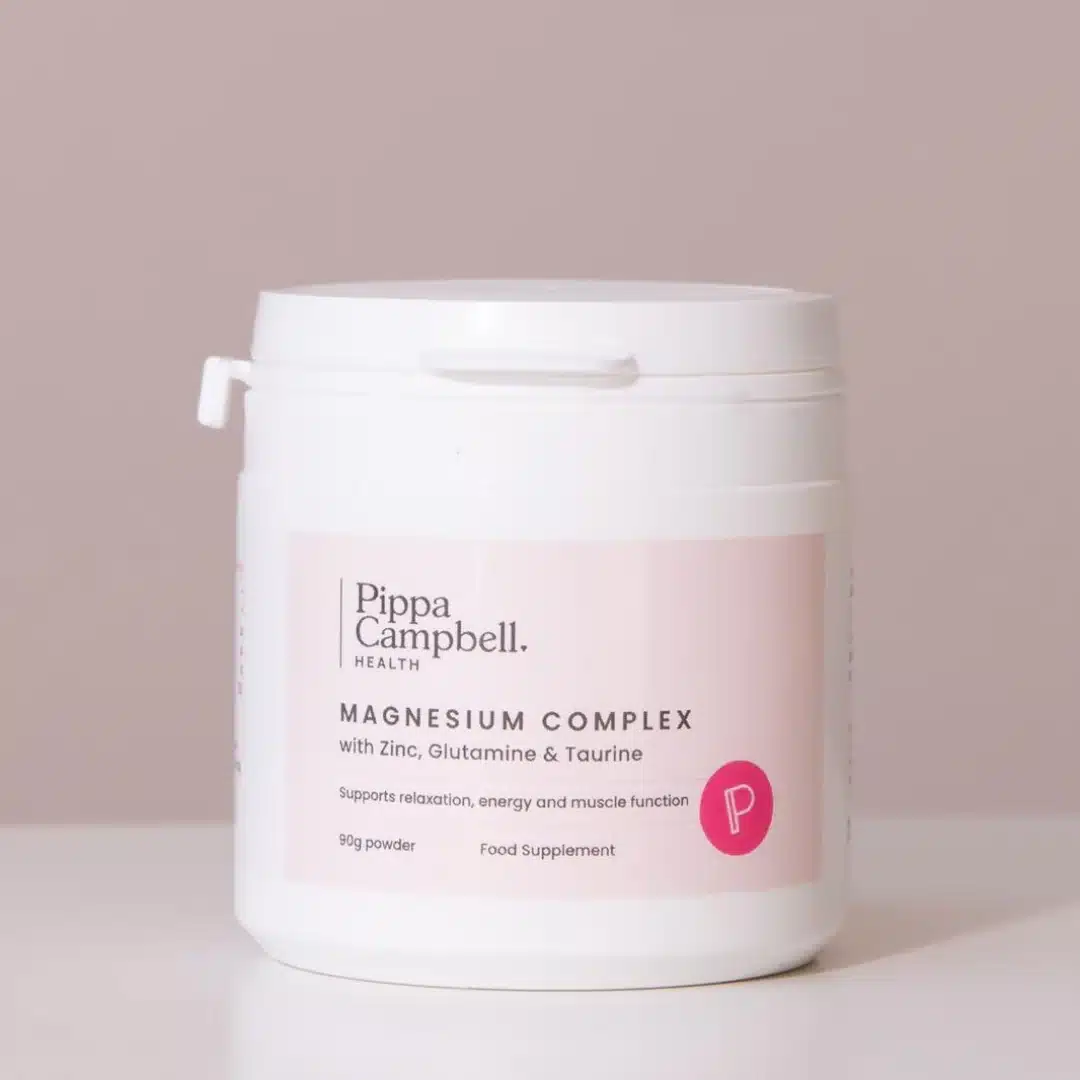
Magnesium Complex

Gut Repair