When it comes to women’s health, there are certain topics that still don’t get the airtime they deserve—and vaginal dryness is one of them. It might not be dinner table conversation, but it’s something many women silently suffer through, especially during perimenopause and menopause.
In fact, between 10–50% of women experience dryness, irritation, discomfort during intimacy, or urinary symptoms as hormone levels shift. This collection of symptoms is often referred to as Genitourinary Syndrome of Menopause (GSM)—and if that sounds clinical and vague, it’s because it often is.
But here’s the truth: just because something is common, doesn’t mean it’s normal—or something you have to put up with.
Is It Just Me? (No, It’s Not!)
If you’re dealing with vaginal or vulval dryness, itching, or discomfort, it can feel isolating—but you’re certainly not alone. These changes often happen due to declining oestrogen, particularly a type called estradiol, which plays a key role in keeping your vaginal tissues healthy, elastic, and hydrated.
Oestrogen helps maintain the delicate balance of your vaginal microbiome, supports collagen production, and keeps tissues plump and strong. When this hormone drops, the tissue becomes thinner, drier, and more prone to irritation or infection. And yes, it can make intimacy uncomfortable, even painful.
Other life stages or health factors—such as breastfeeding, medication, or cancer treatment—can also lead to similar symptoms. But the natural decline of oestrogen during menopause is often the biggest driver.
Common Symptoms to Watch For
You might experience:
- Vaginal or vulval dryness (even when not sexually active)
- Burning, itching, or general discomfort
- Pain or tearing during intimacy
- Increased urinary urgency or frequency
- Recurrent urinary tract infections (UTIs)
- A change in vaginal odour or discharge
If any of these sound familiar, please speak to your healthcare practitioner—especially if you’re experiencing unexpected bleeding, which should always be checked.
Moisturisers vs Lubricants—What’s the Difference?
Many women assume these products are interchangeable, but they’re not quite the same.
Daily Nourishment: Vaginal Moisturisers
Think of a moisturiser for your intimate area the same way you’d care for your face or hands—it’s for regular use, not just when you’re intimate. Moisturisers often contain hyaluronic acid, oils, or soothing botanicals, helping restore hydration and elasticity to thinning tissues.
They can be applied externally to the vulva or internally inside the vagina, depending on the formulation. They’re particularly helpful if you feel dryness throughout the day, or if tight clothing starts to feel uncomfortable.
Brands like Yes! (see Pippa Loves) offer natural external moisturisers free from harsh chemicals or fragrance—ideal for sensitive, ageing tissue.
During Intimacy: Lubricants
These are short-term helpers designed for sexual activity. They come in water-based, silicone-based, and oil-based options.
- Water-based lubricants are safe with condoms and easy to clean but can dry out quickly.
- Silicone-based ones tend to last longer and also work well with latex condoms.
- Oil-based lubricants (e.g. coconut oil, vitamin E) feel lovely but shouldn’t be used with latex condoms as they can degrade the material.
Always read the label—some lubricants contain ingredients that may irritate or disrupt your vaginal pH.
Can You Use Both? Absolutely.
Moisturiser for daily support + lubricant for intimacy = a match made in hormonal heaven.
What About Vaginal Hormones?
Sometimes, moisturisers and lubricants just aren’t enough. That’s when vaginal hormone therapy can offer real relief by addressing the root cause: oestrogen depletion.
Types of Vaginal Hormones
- Vaginal Estradiol – A low-dose, local oestrogen therapy available as creams, pessaries, or a vaginal ring. It’s not the same as HRT and works primarily at the site of application. It’s often used daily for a few weeks as a loading dose, then maintained 1–3 times a week.
- Vaginal Estriol – A gentler form of oestrogen, often prescribed in Europe and available in the UK through compounding pharmacies. Especially good for women sensitive to estradiol.
- Vaginal DHEA (Prasterone) – An option for women struggling with pain during intercourse. Available on prescription or over the counter in some areas, and increasingly being used safely—even by women with a history of breast cancer (under supervision).
Important: These treatments are not meant to be used during sex as lubricants. Hormones can transfer to partners, so use them as directed and separately from sexual activity.
Always discuss with your GP or a functional medicine practitioner—especially if you have a history of cancer or unexplained bleeding.
Mixing and Matching—What’s Safe?
You can use:
- Moisturisers regularly for hydration
- Lubricants for comfort during intimacy
- Vaginal hormones for tissue health and long-term support
Or any combination that works for your body. Everyone’s experience of menopause is different—and your approach should be personalised too.
A Final Word: You Don’t Have to “Just Get On With It”
One of the most common things I hear from women is: “I just thought this was part of ageing and something I had to live with.”
Let’s be clear: discomfort, pain, and dryness are not things you have to accept. Your intimate health matters, and there are effective, evidence-backed ways to support it naturally and safely.
Routine pelvic exams and smear tests are essential to monitor uterine and vaginal health. Consult a healthcare professional if you experience any concerning symptoms, such as abnormal bleeding, pain, or dryness.
- Maintaining a healthy uterus and vagina requires a combination of balanced hormones, a nutritious diet, regular exercise, and stress management. If you’re experiencing ongoing issues such as irregular periods, fibroids, vaginal dryness, or discomfort, it could be a sign that your hormones are out of balance. The DUTCH Test (Dried Urine Test for Comprehensive Hormones) at Pippa Campbell Health is a powerful tool we use to uncover exactly what’s going on beneath the surface. This in-depth test offers valuable insight into your hormone levels and metabolism, helping us create a personalised plan to support your long-term health, comfort, and hormonal harmony.
- Take a look at the 5 simple steps to balancing your hormones in our free hormone training video here
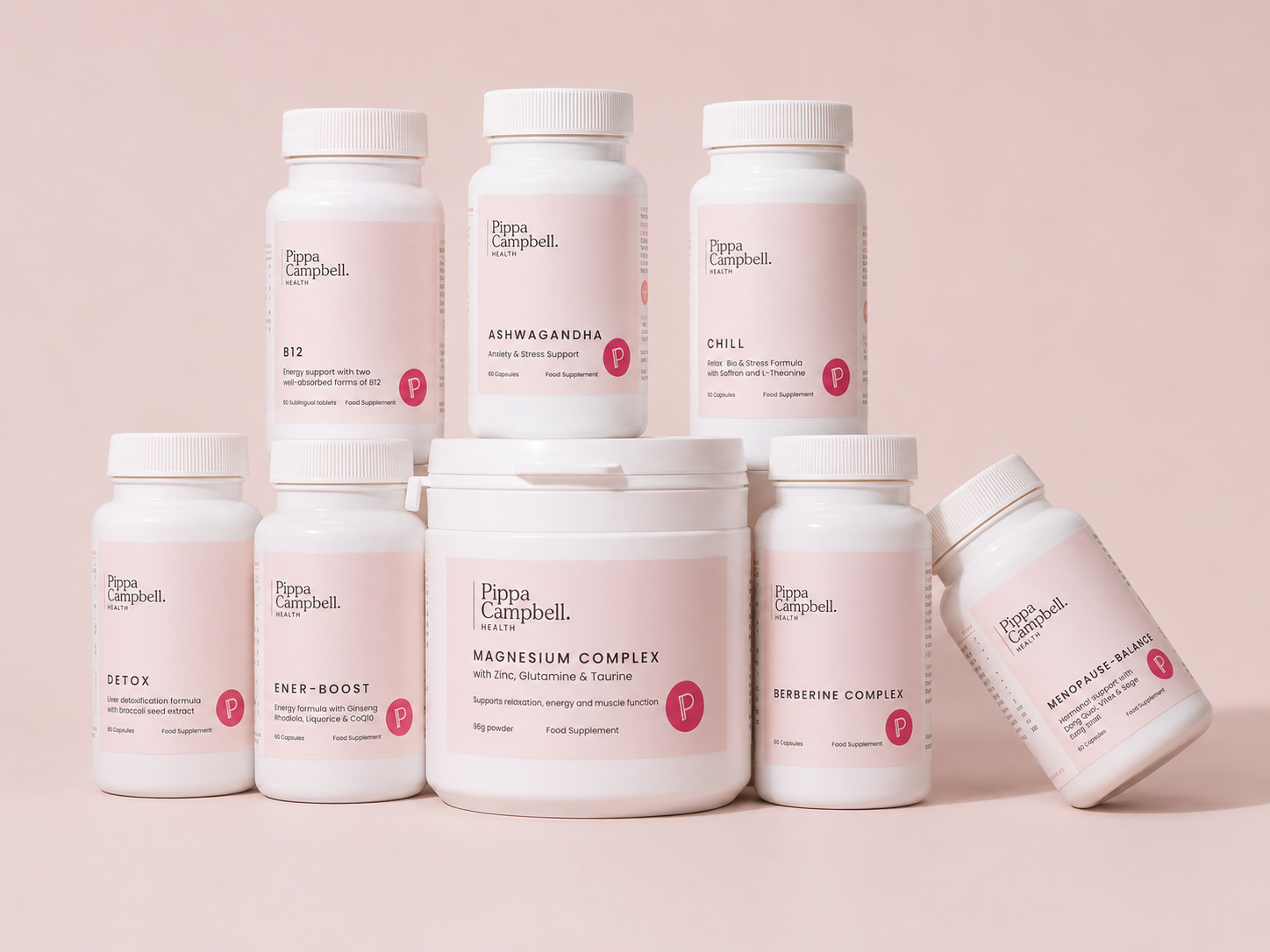
- Isoflavone supplements, particularly those derived from soy, may alleviate vaginal dryness in menopausal women due to their oestrogen-like properties. A randomised controlled trial demonstrated that a soy isoflavone vaginal gel significantly improved vaginal dryness symptoms and increased the number of intermediate and superficial vaginal cells, indicating enhanced vaginal health. Additionally, a systematic review of randomised controlled trials found that topical isoflavones showed beneficial effects on dyspareunia (painful intercourse), vaginal dryness, and maturation value. These findings suggest that isoflavone supplements may serve as a natural alternative for managing mild to moderate vaginal dryness. Consider taking PCH Oestro-Balance that helps to balance the hormone oestrogen and contains soy isoflavones. (See reference: https://pubmed.ncbi.nlm.nih.gov/25423326/)
At Pippa Campbell Health, we take a root cause, functional medicine approach to menopause and hormonal balance. If vaginal dryness, discomfort, or urinary issues are impacting your quality of life, there are real solutions—and we’re here to help you find what’s right for you.