GLP-1s can help you lose weight, but they can also leave you bloated, constipated or feeling sick after eating. We’re seeing more women in clinic taking GLP-1s who are struggling with these side effects. Some have started taking psyllium husk because they’re worried they aren’t eating enough fibre, only to find the bloating gets worse.
Why GLP-1s can cause bloating
GLP-1 medication reduces your appetite and slows the rate at which food leaves your stomach. A meal that caused no problems before can now sit like a brick in your stomach for hours. You might feel sick after eating, burp more, become constipated or find that fatty foods are suddenly difficult to tolerate.
I recommend my Digest to clients taking GLP-1s. It contains enzymes that help break down protein, fats and carbohydrates. Take it at the start of a meal. It won’t speed up stomach emptying, but it helps break down the food you eat.
Can psyllium husk make bloating worse?
Fibre is important, but adding a large dose of psyllium husk when you’re already bloated and constipated can make you feel worse, especially if you aren’t drinking enough. If your bloating has increased since you started taking it, don’t keep adding more.
I also ask what your digestion was like before you started the medication. If you already had bloating, reflux or an irritated gut, those problems still need attention. My Gut Repair contains ingredients to support the gut lining, along with probiotics. It contains psyllium too, so I take that into account if fibre is making you bloated.
Three things to try for bloating and constipation
- Lightly steam your vegetables instead of having a large raw salad. You still get your vegetables without eating a large volume of raw food.
- Chew each mouthful 30 times, or until it’s mush. This is one of my 5 Foundations. Break your food down properly before you swallow it.
- Have two green kiwifruit a day if you’re constipated. Have one with breakfast and one with lunch. In a clinical trial, two green kiwifruit a day helped relieve constipation.
If meat is difficult to digest, marinate it in lemon or lime before cooking and choose a slow-cooked dish over a large, dry piece of meat. I discuss this in the Digestion Type section of my book, Eat Right, Lose Weight. If a large drink with your meal leaves you feeling too full, have most of your fluids between meals.
Fatty foods and gallbladder symptoms
If fatty food makes you feel sick, I want to know whether you also have pain under your right ribs, pain towards your right shoulder blade, or pale, greasy or floating stools. Those symptoms can point to a bile or gallbladder problem. GLP-1 medication is associated with an increased risk of gallbladder problems, and rapid weight loss can increase the risk of gallstones.
Your gallbladder releases bile to help you digest fat. You also need bile to absorb vitamins A, D, E and K. The lipase in Digest helps break down fat, but digestive enzymes won’t treat gallstones or a blocked bile duct. Severe or persistent upper abdominal pain, especially with vomiting or fever, needs medical assessment.
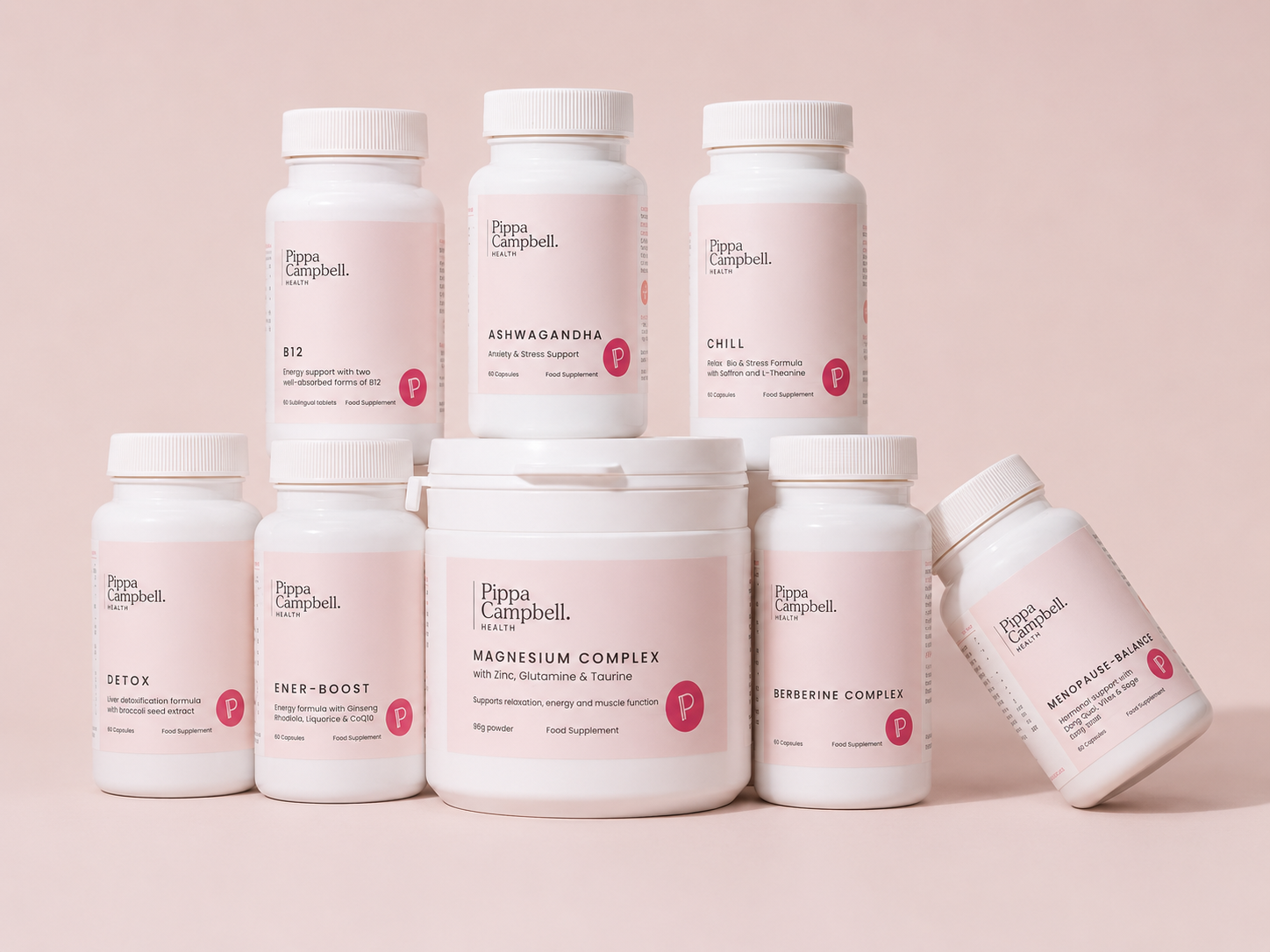
I recommend my Detox to women taking GLP-1s to support normal liver function and fat metabolism. If you’re eating very little or have signs that you aren’t absorbing fat well, we also need to check your nutrient levels. My Vegan D3 Complex provides vitamin D alongside vitamins A and K2.
Protein, muscle and magnesium
The women we see in clinic who are losing weight on GLP-1s are often losing a lot of muscle along with it. Some notice their skin looks looser or that they feel weaker. When you’re struggling to eat enough protein, maintaining muscle becomes harder.
Include protein each time you eat and keep up strength training. I also recommend my Pure Creatine to support muscle strength alongside that training.
Many of us struggle to get enough magnesium from food already. Eat less, and you’ll get less magnesium; everyday stress adds to the demand. Your muscles need magnesium to contract and relax, and it can help when stress is affecting your sleep. I recommend my Magnesium Complex for women taking GLP-1s. It may also help if you’re constipated.
GLP-1s and oral progesterone
If you’re taking HRT, check whether your progesterone is oral. Because GLP-1s slow stomach emptying, there are concerns that they could affect the absorption of oral progesterone. If you have a womb and take oestrogen, you need enough progesterone to protect the womb lining.
Tell your HRT prescriber if you’re starting a GLP-1, and let them know if your bleeding changes. Don’t adjust your progesterone dose yourself.
Rebound weight gain
We also see women who have come off a GLP-1, regained a lot of weight and want to know why they struggled to lose it in the first place. Sometimes we find a thyroid problem. Perimenopause, stress, poor sleep and blood sugar problems can contribute too.
Work on those issues while you’re taking the medication. My book, Eat Right, Lose Weight, helps you identify your metabolic type instead of following the same diet as everyone else. It also has recipes with good-quality protein and vegetables that work when your appetite is smaller. You can find more on my recipes page. If you have symptoms of an underactive thyroid, our At-Home Advanced Thyroid Test gives us more information than TSH alone.
If you’re taking a GLP-1 and struggling with bloating or constipation, don’t assume you just need to eat more fibre. Look at what you’re eating, how much you’re eating at one time and how well you’re digesting it. Smaller meals, cooked rather than large amounts of raw food, chewing properly and supporting digestion can all help.
I recommend my Digest for women taking GLP-1s. Take it at the start of your meals to help break down protein, fats and carbohydrates and support digestion while your stomach is emptying more slowly.