The Mirena coil, a widely used intrauterine device (IUD) in the UK, releases levonorgestrel, a synthetic progestin, to manage heavy periods and provide contraception. However, it’s crucial to differentiate between this synthetic hormone and the body’s natural progesterone, as they are not the same and have different effects on the body.
While the Mirena coil is popular, it’s important to address the potential side effects, including those that may affect skin, hair, weight, mood, and long-term health risks. This article explores these concerns in detail, with a focus on scientific evidence.
Understanding Progestin and its Androgenic Effects
The synthetic hormone in the Mirena coil, levonorgestrel, is derived from testosterone. This androgenic property means it can affect androgen receptors, which may lead to side effects like acne, hirsutism (excess facial or body hair), and alopecia (hair loss). Notably, these side effects vary depending on the type of progestin IUD used. Research has shown the following trends:
• Acne risk (highest to lowest): Kyleena > Mirena > Skyla
• Alopecia and hirsutism risk (highest to lowest): Mirena > Kyleena > Skyla
• Minimal risk: Liletta IUD
These effects are due to the way progestins modulate androgen receptors, making some women more susceptible to these issues depending on individual sensitivity and the IUD chosen.
In addition to skin and hair changes, some women report weight gain while using progestin-containing IUDs, although the mechanism for this is not fully understood.
Does the Hormone Stay Local?
The Mirena coil is designed to release levonorgestrel directly into the uterus, theoretically limiting its effects to the local area. However, studies have shown that levonorgestrel enters the bloodstream, leading to systemic effects. This systemic absorption can affect tissues sensitive to hormones, such as the skin, hair follicles, and even breast tissue.
Distinguishing Progestin from Progesterone
Many women are told that the Mirena coil replaces their progesterone. This is incorrect. Levonorgestrel is a synthetic progestin that acts differently from the body’s natural progesterone, which has anti-androgenic and protective effects in the body. Synthetic progestins, like those in the Mirena coil, do not replicate these benefits and may even interfere with natural hormone balance.
For instance, natural progesterone supports healthy hair growth and skin, while levonorgestrel’s androgenic properties can have the opposite effect, leading to thinning hair and acne.
Mood Changes and Nutritional Impact
Progestin-containing IUDs, including Mirena, have been linked to mood changes and, in some cases, depression. This may be due to the effects of progestins on the central nervous system and their interaction with serotonin pathways. Women prone to mood disorders should approach these IUDs with caution and be aware of potential emotional changes.
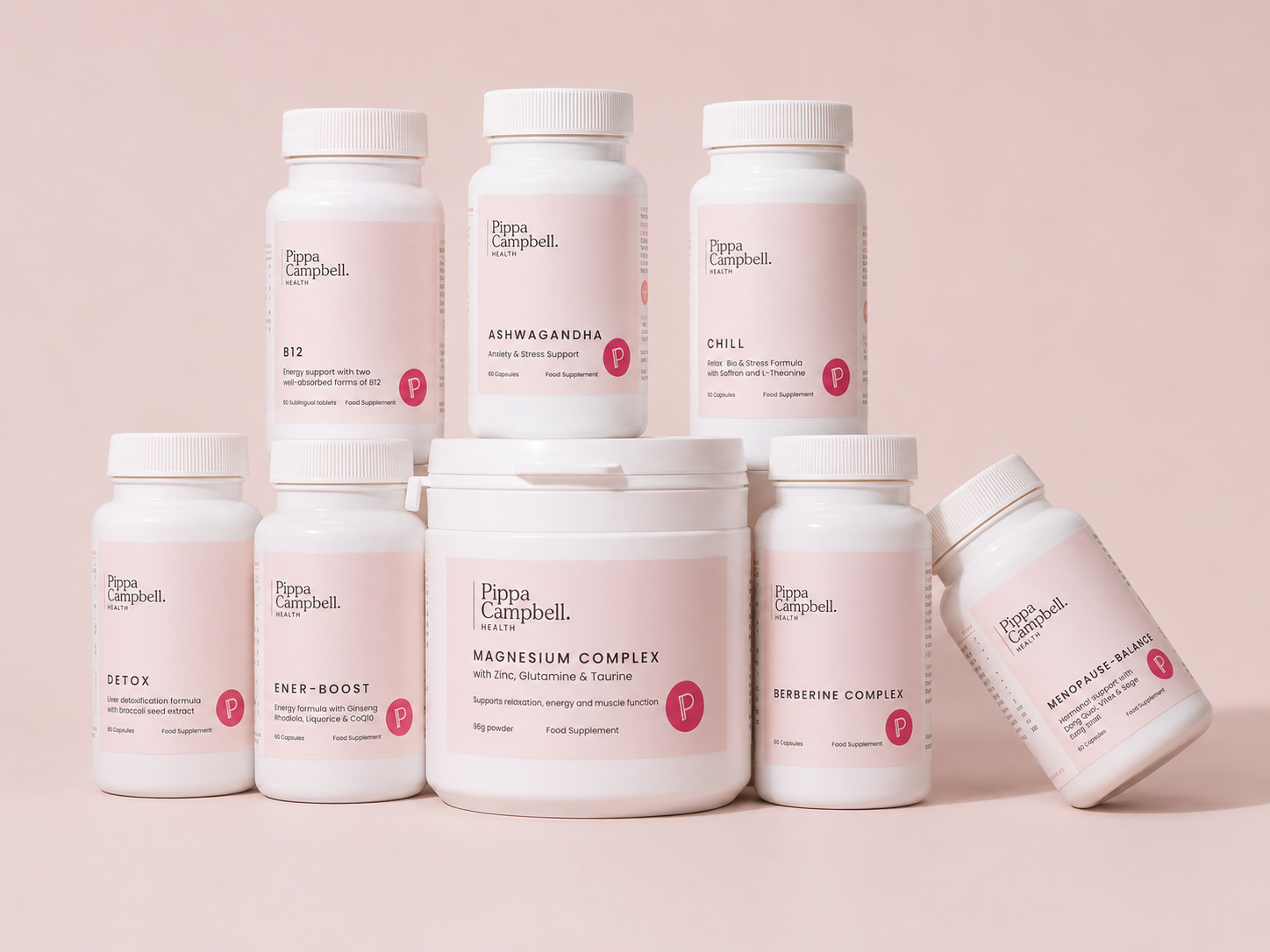
In addition, progestin IUDs can interfere with nutrient absorption, leading to reduced levels of folate, vitamin B12, calcium, and magnesium. These nutrients are critical for energy, bone health, and overall well-being, making supplementation and dietary adjustments important for women using these devices. Take PCH B12 and PCH Magnesium Complex to increase or maintain your levels and prevent any deficiencies.
Conclusion
The Mirena coil is widely prescribed and can be a useful tool for managing heavy periods or as a contraceptive. However, its use comes with potential side effects, including acne, hair loss, hirsutism, weight changes, and mood disturbances, due to the androgenic effects of levonorgestrel.
It’s also essential to dispel the myth that the Mirena coil replaces progesterone—it does not. Instead, it introduces a synthetic progestin, which behaves differently in the body.
Women considering the Mirena coil should be fully informed about these risks, particularly if they have pre-existing hormonal imbalances, skin or hair conditions. A tailored, science-backed approach to contraception and hormone health is key to making the best choice for individual needs.
We recommend at Pippa Campbell Health in taking the DUTCH Cycle Mapping with Complete for those using the Mirena coil alone because it provides a detailed analysis of hormone fluctuations throughout the menstrual cycle. This is important to track natural hormone patterns, even if menstruation is irregular or absent due to the coil.
For those using the Mirena coil along with supplemental oestrogen, we suggest the DUTCH Complete test. This test offers a comprehensive overview of how both the coil and added oestrogen are influencing overall hormone balance, helping to manage any symptoms and fine-tune hormone therapy.
References-
https://www.jaad.org/article/S0190-9622(24)03061-5/abstract
https://pubmed.ncbi.nlm.nih.gov/11727177
https://jamanetwork.com/journals/jamapsychiatry/fullarticle/2552796