Oestrogen often receives a poor reputation, being linked to conditions like PMS, endometriosis, fibroids, and breast cancer. However, it is wildly unfair to put the blame solely on one hormone. Oestrogens are essential for numerous bodily functions, and understanding their role is critical to managing hormonal health effectively.
What Is Oestrogen?
The term “oestrogen” encompasses several hormone types, each with distinct roles:
• Estradiol (E2): The most potent form, dominant in premenopausal women.
• Estrone (E1): Less potent and produced primarily in fat tissue, especially post-menopause.
• Estriol (E3): The weakest form, significant during pregnancy.
• Estetrol (E4): A pregnancy-specific oestrogen produced by the fetal liver.
Each type serves a purpose depending on life stages, reproductive status, and overall hormonal health.
Where Is Oestrogen Made?
Premenopause
In cycling women, the ovaries are the primary source of estradiol (E2), which fluctuates with the menstrual cycle. Estradiol levels rise before ovulation (follicular phase) and again during the luteal phase, following the rise in progesterone.
Postmenopause
After menopause, the ovaries stop producing significant amounts of oestrogen. Instead, the body relies on other tissues and mechanisms to maintain a much lower level of oestrogen production. Here’s how and where it happens:
1. Fat Tissue (Adipose Tissue):
Fat tissue becomes the primary source of oestrogen after menopause. The enzyme aromatase converts androgens (like androstenedione) produced by the adrenal glands into estrone (E1). Estrone is weaker than estradiol but still plays a role in maintaining some hormonal activity.
2. Adrenal Glands:
The adrenal glands are vital for oestrogen production post-menopause. They produce precursor hormones like dehydroepiandrosterone (DHEA) and androstenedione. These are converted into oestrogen (mainly estrone) by aromatase in peripheral tissues such as fat, skin, and muscles.
3. Skin, Bones, and Other Tissues:
Peripheral tissues contribute to oestrogen production by converting adrenal-derived androgens into weak oestrogens like estrone. Although small in quantity, these local oestrogens can have targeted effects in their respective tissues.
How Much Oestrogen Do You Make?
Oestrogen levels vary greatly depending on the phase of life:
• Follicular phase (before ovulation): 200–500 pg/mL
• Luteal phase (after ovulation): 40–200 pg/mL
• Postmenopause: Less than 30 pg/mL
This significant decline post-menopause explains many of the associated symptoms, as oestrogen impacts almost every system in the body.
The Functions of Oestrogen
Oestrogen is integral to various systems and processes in the body:
• Reproductive health: Regulates the menstrual cycle and fertility.
• Bone health: Maintains bone density and prevents fractures.
• Cardiovascular health: Supports heart and blood vessel function.
• Brain health: Influences mood, memory, and cognition.
• Skin health: Enhances elasticity and hydration.
• Gut health: Shapes the gut microbiome and motility.
• Immune health: Modulates immune responses.
Given its widespread impact, imbalances in oestrogen can cause diverse symptoms and health challenges.
Symptoms of Oestrogen Imbalance
High Oestrogen Symptoms:
• Breast swelling or tenderness
• Heavy periods with clots
• Mood swings and irritability
• Water retention
• Weight gain in the hips and thighs
• Fibroids or polyps
• Histamine-related symptoms (e.g., bloating, headaches, itchy skin)
Low Oestrogen Symptoms:
• Hot flushes and night sweats
• Depression and anxiety
• Vaginal dryness
• Decreased libido
• Bone loss (osteopenia, osteoporosis)
• Joint pain
• Brain fog
• Weight gain around the abdomen
Why Detoxification of Oestrogen Is Important
Once oestrogen has done its job in the body, it must be metabolised and safely eliminated. This process, known as oestrogen detoxification, is crucial for maintaining balance and preventing recirculation of harmful metabolites.
Why It Matters:
• Prevents the build-up of harmful oestrogen metabolites, which can increase the risk of hormone-related conditions, including endometriosis, fibroids, and even certain cancers.
• Avoids symptoms of oestrogen dominance, such as heavy periods, bloating, and weight gain.
• Promotes overall hormonal balance, especially important in menopause or for those on HRT.
When detoxification is impaired, metabolites can recirculate, causing imbalances and inflammation. This makes supporting the liver and gut essential for optimal health.
The Three Phases of Oestrogen Detoxification
Oestrogen detoxification occurs in three phases, involving the liver, gut, and kidneys.
Phase 1: Hydroxylation
In Phase 1, the liver converts oestrogens into three metabolites:
1. 2-OH oestrogen (protective pathway): Beneficial and less likely to cause harm.
2. 4-OH oestrogen (harmful pathway): Can damage DNA and is linked to cancer risk.
3. 16-OH oestrogen (moderate activity): Associated with oestrogenic symptoms.
Support Phase 1 by:
• Eating cruciferous vegetables like broccoli, kale, and Brussels sprouts.
• Avoiding alcohol, which impairs liver function.
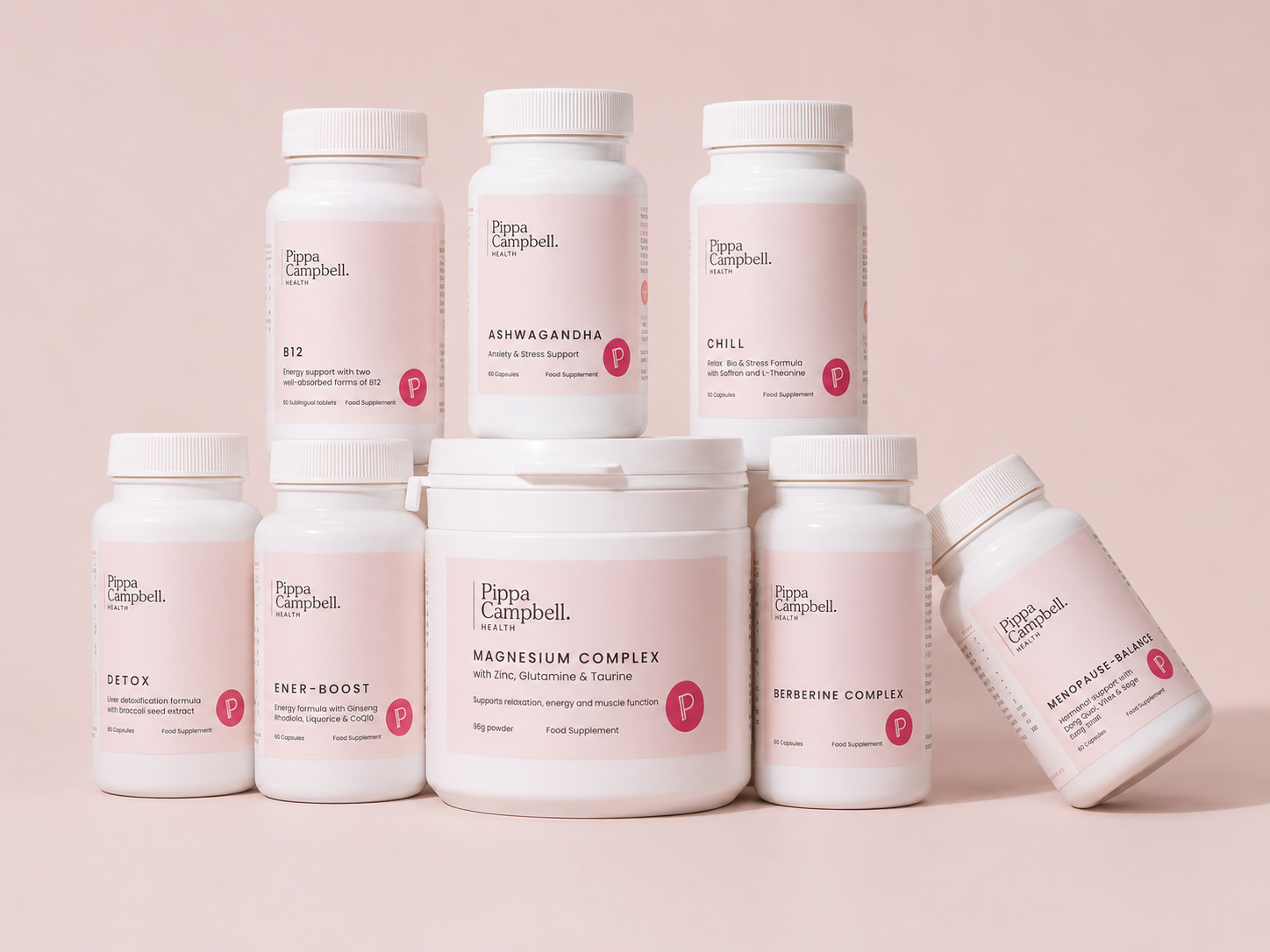
• Ensuring adequate magnesium and B vitamins (B2, B3, and B6). Take PCH Magnesium Complex and PCH B Complex.
Phase 2: Conjugation
In Phase 2, liver enzymes neutralise Phase 1 metabolites, making them water-soluble for excretion. If this phase is sluggish, reactive metabolites can accumulate, increasing oxidative stress.
Support Phase 2 by:
• Eating foods like broccoli sprouts, onions, garlic, and shallots.
• Supplementing with magnesium, methylfolate, methylB12, choline, zinc, and molybdenum.
• Using supplements like PCH Detox which contains broccoli sprout extract, alongside key nutrients designed to support your liver’s natural detoxification pathways.
Phase 3: Elimination
Phase 3 involves the excretion of neutralised oestrogens through bile, urine, and stool. Effective elimination is critical because if excretion is impaired, oestrogens can be reabsorbed into the bloodstream.
Gut Issues That Affect Phase 3:
• Dysbiosis: An imbalance in gut bacteria can increase beta-glucuronidase, an enzyme that reactivates detoxified oestrogens, allowing them to recirculate.
• Constipation: Slowed bowel transit can lead to oestrogen reabsorption.
• Inflammation: A compromised gut lining can impair detoxification.
Support Phase 3 by:
• Staying hydrated and maintaining electrolyte balance.
• Supporting bile production with bitter greens, glycine, choline, and taurine.
• Promoting gut health with prebiotics, probiotics, and fibre-rich foods. Consider taking PCH Repopulate Probiotic.
• Addressing gut symptoms such as bloating, constipation, or diarrhoea.
Testing for Oestrogen Detoxification
Testing is crucial for understanding how well your body processes and eliminates oestrogen, especially during perimenopause, menopause or if you’re on HRT.
DUTCH Test (Urine Test)
The DUTCH test evaluates:
• Oestrogen levels (estradiol, estrone) and their metabolites (2-OH, 4-OH, 16-OH).
• Phase 2 methylation efficiency to assess detoxification capacity.
Why Detoxification Matters in Menopause and HRT
Even post-menopause, detoxification remains essential:
• Menopause: Lower oestrogen levels still require proper processing to avoid harmful metabolites.
• HRT: Synthetic or bioidentical hormones must be metabolised efficiently to prevent build-up and recirculation.
Testing helps ensure that detoxification pathways are functioning properly, providing valuable insights for optimising HRT and supporting long-term hormonal health.
Summary
Oestrogen is a vital hormone, influencing nearly every system in the body. However, proper detoxification through the liver and gut is essential to maintain balance, prevent harmful recirculation, and mitigate symptoms. Functional testing, such as the DUTCH test and stool analysis, offers invaluable insights, particularly during menopause or while on HRT. Always consult a healthcare practitioner for personalised advice tailored to your unique needs.