Belly fat is often one of the most annoying and confusing changes that women experience, especially during the transition to menopause. You may have been slim all your life, or successfully lost weight, yet that stubborn belly fat still won’t go away. But the issue is more complex than just appearance — belly fat is often a sign of deeper imbalances, particularly in your hormones. Let’s explore why this happens and what you can do to address it.
Who Develops Belly Fat?
Belly fat tends to become more noticeable after the age of 45, even in women who are slim and active. It often shows up after 50, unless specific lifestyle and dietary changes are made. The changes that come with perimenopause and menopause are key factors, though they aren’t the only reasons. Women with belly fat usually show some level of insulin resistance (IR), which can develop even if you’re not diabetic. Keep reading to understand how insulin resistance plays a role and why it’s so common.
Types of Belly Fat: Visceral vs. Subcutaneous
Belly fat isn’t just one type of fat. There are two main types: visceral fat, which wraps around your organs deep inside the abdominal cavity, and subcutaneous fat, which lies just beneath the skin and can be pinched. Visceral fat is much more concerning than subcutaneous fat because it behaves like an organ, releasing hormones and inflammatory compounds that spread throughout your body. This type of fat has a direct impact on your health, contributing to chronic inflammation and increasing your risk of disease.
Why Visceral Fat Is Dangerous
The presence of visceral fat comes with several serious health risks, including:
- Oestrogen dominance (visceral fat produces oestrogen)
- Cardiovascular diseases like atherosclerosis and stroke
- High blood pressure
- Colon cancer
- Cognitive decline, including memory loss
- Sleep issues
- Arthritis
- Gallbladder disease
For women, this type of fat also raises the risk of breast cancer and gallbladder disease. Women with an “apple” body shape—characterised by more fat around the belly—are more likely to develop insulin resistance compared to those with a “pear” shape.
Belly Fat and Insulin Resistance
Belly fat often signals that insulin resistance is present. Insulin is a hormone that helps move sugar (glucose) from your blood into your cells for energy. When cells stop responding to insulin, your body produces more of it, leading to both high insulin and high blood sugar levels. This condition is called insulin resistance and contributes to weight gain, especially around the middle.
Causes of Insulin Resistance:
- Sugar and Refined Carbs: Eating too much sugar and processed carbohydrates can wear out insulin receptors over time, making it harder for the body to process glucose.
- Aging: As we age, our sensitivity to insulin decreases, making it harder to manage blood sugar levels. This is particularly true for women approaching menopause.
- Medications: Some medications, including those for cancer, high blood pressure, and depression, can also promote insulin resistance.
How Insulin Resistance Impacts Your Hormones
Since insulin is a hormone, it can directly affect other hormones in your body, creating a cascade of imbalances. Elevated insulin levels promote the conversion of testosterone into oestrogen, which can lead to oestrogen dominance. This, in turn, can worsen insulin resistance. High fatty acids from belly fat can also disrupt other hormones, such as cortisol and testosterone, which can lead to further weight gain and health issues.
Signs of Insulin Resistance
How do you know if you are insulin resistant? Here are some key symptoms to watch out for:
- Belly fat, particularly around the waist
- Skin tags on the neck or upper body
- Elevated blood pressure
- Cravings for sugar and carbs
- Tired after meals
- Daytime drowsiness
- Insomnia
If these symptoms sound familiar, it might be time to get your insulin levels checked through lab tests.
How to Tackle Belly Fat and Insulin Resistance
The good news is that you don’t need extreme measures like surgery to tackle belly fat. Instead, a balanced approach combining lifestyle changes, diet adjustments, and natural supplements can help you address the root causes.
1. Diet
Start by reducing inflammation through your diet. Follow a whole-food, low-sugar approach and consider eliminating common inflammatory foods like gluten, dairy, and soy. A good place to start is an elimination diet. You’ll also want to start your day with a protein-rich breakfast to stabilise blood sugar levels. You can find more detailed guidance in my book, Eat Right, Lose Weight.
2. Exercise: Weight Training over Cardio
Cardio exercises like running can actually make belly fat worse because they increase cortisol, a stress hormone that encourages fat storage around the belly. Instead, focus on weight training and resistance exercises, which boost insulin sensitivity without spiking cortisol levels.
3. Reduce Inflammation
Inflammation is a major factor in weight gain and insulin resistance. To lower it, focus on:
- Sleep: Aim for at least 8 hours per night and go to bed by 10 pm.
- Positive mindset: Practice gratitude and cultivate a positive outlook to reduce stress.
4. Correct Hormone Imbalances
Balancing your hormones is key to losing belly fat. Address imbalances in:
- Oestrogen
- Cortisol
- Insulin
- Thyroid hormones
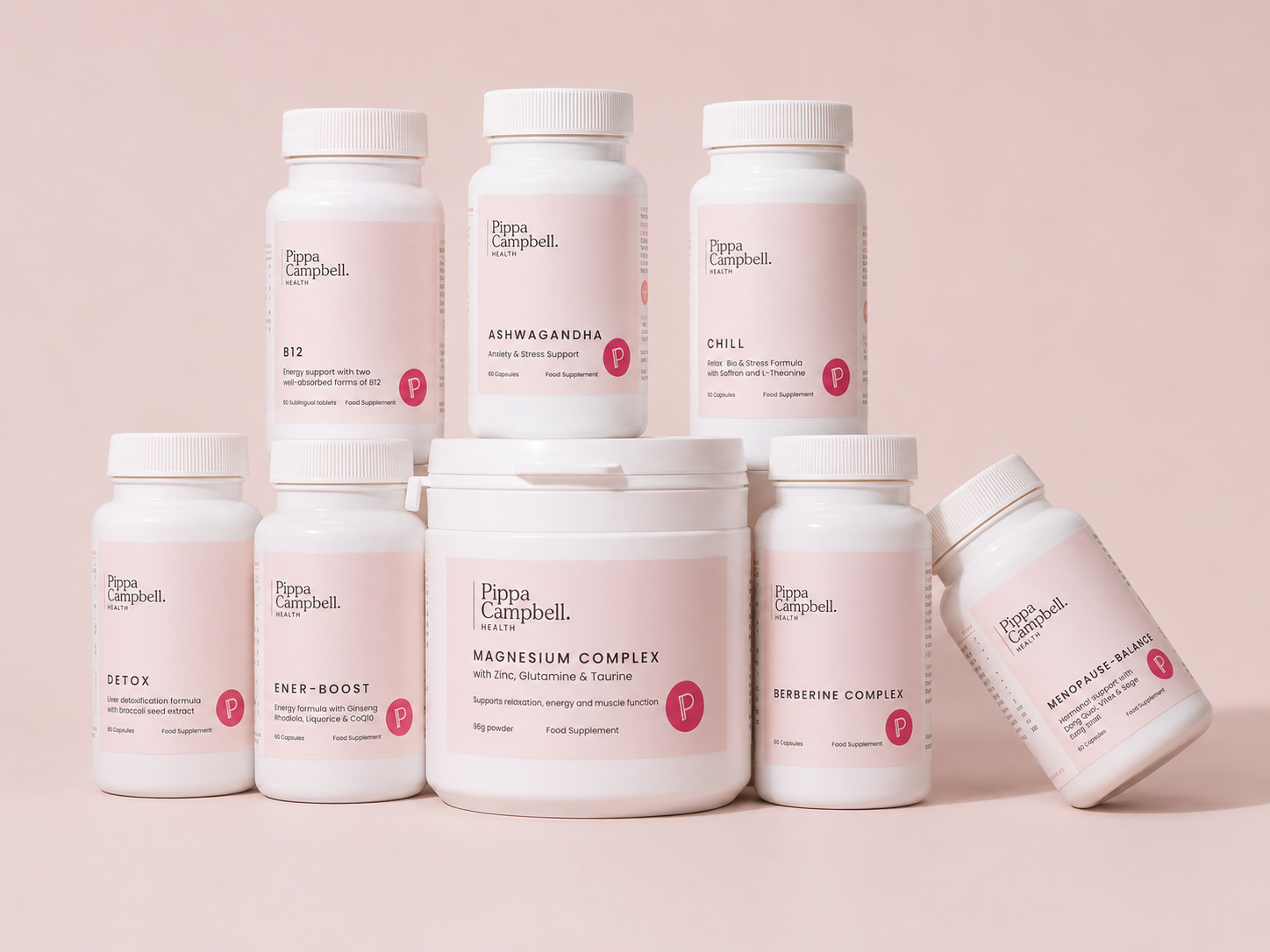
Supplements like PCH Magnesium Complex, PCH D3 Vegan Complex, and PCH Krill (Omega 3 complex) can support hormone balance and lower inflammation.
Conclusion
Losing belly fat isn’t just about appearance — it’s about restoring balance to your body. By focusing on reducing insulin resistance, inflammation, and balancing your hormones through diet, exercise, and the right supplements, you can tackle belly fat naturally and effectively.
In clinic, we use the DUTCH test to uncover the root cause of weight gain, as it helps identify hormonal imbalances, including cortisol, oestrogen, progesterone, and testosterone, which may be driving the issue.
For more tips on managing weight and hormones, check out my book, Eat Right, Lose Weight, which offers practical advice on how to support your metabolism and overall health through a balanced lifestyle.
Don’t miss our FREE video: The 5 Steps to Balancing Your Hormones — where Pippa walks you through practical, proven strategies to support your body through perimenopause and beyond. Click here to watch now