What many women do not realise about the menopause is that it is an extremely important time for their health and it is vital to lay good foundations for the postmenopausal part of their life.
This blog will cover the key aspects of perimenopause and menopause such as hormonal changes, the timeline of menopause, health concerns, ways to ease menopause symptoms, and the benefits of hormone testing.
A Dutch Complete Hormone Test or Dutch Cycle Mapping Test can look into all the sex hormones, their metabolites, and HPA axis to get a full assessment of ways to support women during this transitional time.
Perimenopause and Menopause: What You Need To Know
Menopause is defined as when there is no menstrual cycle for 12 consecutive months. The average age for menopause to start is 51, and it often happens between ages 45 and 55.
Surgical menopause refers to the cessation of menstruation after a full hysterectomy where both the ovaries and uterus are removed. In cases of partial hysterectomy where the ovaries are retained or uterine ablation, women may also stop menstruating. What I see in clinic is that most women who have retained their ovaries still have hormonal cycles even if their periods have stopped. Some women tell me that they still get some PMS or headaches before or around the time they would have got their period.
Perimenopause is the period of time before a woman’s last menstrual cycle. The majority of women begin to experience perimenopausal symptoms in their mid-40s but I have seen women with symptoms as early as late 30s. The stage of perimenopause can last for 5 to 10 years and is time of hormonal rollercoaster with progesterone declining and oestrogen often high and fluctuating.
Hormones During the Perimenopause and Menopause
During perimenopause, many women experience hormonal imbalances. As women enter this stage, their progesterone levels start to decline and they may experience more cycles where ovulation has not taken place leading to oestrogen dominance.
Also at this stage, oestrogen levels can become erratic and fluctuate between high and low before eventually declining as menopause approaches. These hormonal changes are responsible for the various symptoms experienced during this stage, which are detailed below.
Menopause is characterised by low levels of oestrogen and progesterone. The ovaries are no longer producing these hormones. The body’s small amount of circulating oestrogen is made from the conversion of androgens, mainly in fat tissue. A small amount of progesterone is produced from the adrenal glands.
Even though the ovaries can still make some testosterone after menopause, this production decreases with age. The majority of androgens come from the adrenal glands, so it’s crucial to maintain adrenal health in order to support hormone levels during menopause.
Potential Health Problems During Menopause
Perimenopause to menopause is an important time for a woman’s health. It is essential to prioritise a healthy lifestyle during this time to minimise potential health problems later on. Hormones like oestrogen and progesterone have a significant impact on overall health. They support:
-
Bone health
-
Cardiovascular health
-
Muscle mass
-
Libido
-
Insulin sensitivity
-
Sleep
-
Cognition
-
Mood
-
Weight management
-
Collagen production
Perimenopause and Menopause Symptoms
A lot of women have symptoms during perimenopause and menopause but for some women, the symptoms can be so bad that it really affects their daily life.
Women who are in perimenopause often experience the following symptoms:
-
Anxiety
-
Irregular cycles (may be accompanied by heavy periods)
-
Hot flushes and night sweats
-
Poor sleep
-
Mood swings
-
Weight gain
How to Ease Perimenopause and Menopause Symptoms
There are many ways to help with perimenopause and menopause symptoms including making some simple diet and lifestyle changes, adding supplement support, and taking hormone replacement therapy (HRT).
One way to prevent or reduce symptoms commonly associated with menopause, such as hot flushes, poor sleep, weight gain, and insulin resistance, is to concentrate on regulating blood sugar levels.
Making changes to your diet, such as reducing your carbohydrate intake, consuming more whole foods, and increasing your protein intake, can decrease the likelihood of experiencing hormonal weight gain. Similarly, cutting back on caffeine, alcohol, sugar, spicy foods, and hot drinks can alleviate hot flashes.
Regular exercise and strength training may help prevent weight gain and reduce muscle loss while also decreasing insulin resistance and aiding bone health.
Engaging in stress-reducing activities like yoga or meditation and prioritising good quality sleep can have a positive impact on overall well-being and reduce the symptoms of anxiety.
Many women may seek relief from certain symptoms of menopause by using herbal remedies such as black cohosh, Soy isolflavones, red clover, maca, evening primrose oil, and wild yam. Additionally, some women may choose to take hormone replacement therapy (HRT), such as progesterone, oestradiol, oestriol, and/or DHEA to help maintain hormone levels during menopause.
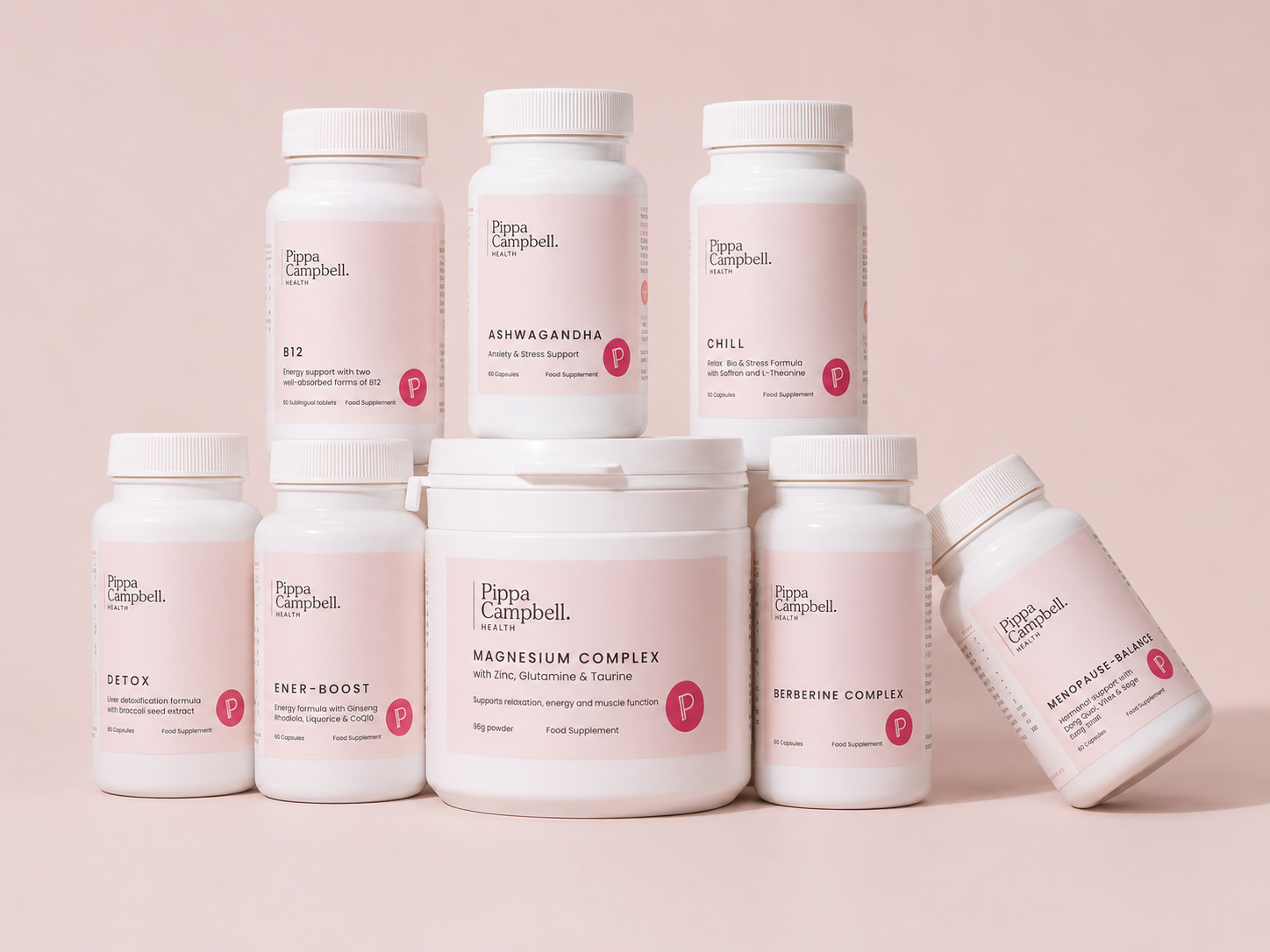
Consider taking supplements such as my new Peri-Balance supplement, a unique blend of plant extracts, minerals and vitamins plus an adrenal glandular all designed to smooth the journey of hormonal change for women over the age of 35.
Hormones Testing and How It Can Help
Testing your hormones during perimenopause and menopause and understanding your hormone levels and how well you metabolise them (as well as assessing HPA axis function) can help when looking at treatment options to support women during this stage in their life.
Understanding oestrogen metabolism during perimenopause and support with detoxification if needed can help reduce symptoms associated with oestrogen dominance.
Testing can also help in monitoring hormone levels while taking HRT to ensure that the levels remain within the therapeutic range. It is beneficial to check for androgens, which are the only source of oestrogen after menopause. Androgens also play a crucial role in supporting libido, mood, and bone health. At the same time perimenopause is a time when women can become ‘relatively more androgenic’ and so experience symptoms such as adult acne or hair loss. In clinic we also see these symptoms with women who are using the hormonal IUD due to the synthetic progestin it contains.
The adrenal glands produce hormones that are crucial during this time. Regularly checking what is happening to the HPA axis throughout perimenopause and menopause can provide helpful insights for treating and supporting this system.
Testing Hormones
A Dutch Complete Hormone Test or Dutch Cycle Mapping Test can look into all the sex hormones, their metabolites, and HPA axis to get a full assessment of ways to support women during this transitional time.
The Dutch Complete and Dutch Cycle Mapping Tests are a comprehensive hormone panel that we use to assess hormone imbalance in our clients in all stages of reproduction from premenopause to postmenopause. It is useful for women who are experiencing symptoms listed earlier in this blog.
Testing hormones during menopause is easy. You can test on any day. Testing during perimenopause can prove a little bit more difficult. When women are still cycling, it’s better to test hormones during the luteal phase of their cycle so their healthcare practitioner can see progesterone and oestrogen levels.
However, often perimenopausal women have irregular cycles, which can make it more difficult to capture a mid-luteal phase sample. If cycles are short (less than 21 days) or very long (a few months without a period), you can then test on any day.
As a guide:
For menopausal women, who don’t have a cycle (who do not ovulate and have had no menstrual cycle for a consecutive 12 months) and postmenopausal women or for women premenopause who are only experiencing symptoms in the second half of their cycle, then we recommend ordering the Dutch Complete Hormone Test. This test is performed over 24 hours and it is also for anyone on HRT or Oral Contraceptive pill.
For perimenopausal women who have irregular cycles or even regular cycles and are not on HRT, we recommend ordering the Dutch Cycle Mapping Test. This is also the test for women using the hormonal IUD such as the Mirena coil. This test is completed over a whole cycle of 4 weeks. (However, if you wanted to get quicker results and have regular cycles then you can take the Dutch Complete Hormone Test). Please see the Pippa Campbell Health website for full details.
Our practitioners provide various treatment options to improve women’s health during the menopause years. By working closely with us and taking tests like the DUTCH Test, we can tailor treatments to our clients’ needs.