Saffron, a delicate spice derived from the flower Crocus Sativus that possesses powerful properties that have been traditionally used as a natural, botanical remedy to bring joy and happiness, as well as relief for sleep disorders and PMS.
What Else Has Saffron Been Used For?
Saffron was also used for constipation, eye inflammation, joint pain, and indigestion. As research has followed, these indications of saffron benefits are now backed by published clinical trials and even pending EFSA claims including:[1]
“Saffron contributes to emotional balance, helps to support relaxation and to maintain a positive mood.”
“Saffron helps to maintain good comfort before and during the menstrual cycle”
When oestrogen and progesterone drop in the latter part of the luteal phase, it affects serotonin which is a neurotransmitter known as the happy hormone. Low levels of serotonin have been linked to PMS in particular, symptoms such as anxiety, irritability, emotional imbalance, and sleep disturbances.[2]
Serotonin-Oestrogen Regulation
Safranal is the main active component found in saffron which has been shown to support fluctuations in serotonin levels. A decrease in oestrogen has been associated with serotonin dysregulation as oestrogen can limit its reuptake and degradation while potentiating its receptor. PMS symptoms such as anxiety, irritability and other emotional disturbances is strongly linked with oestrogen-serotonin regulation.
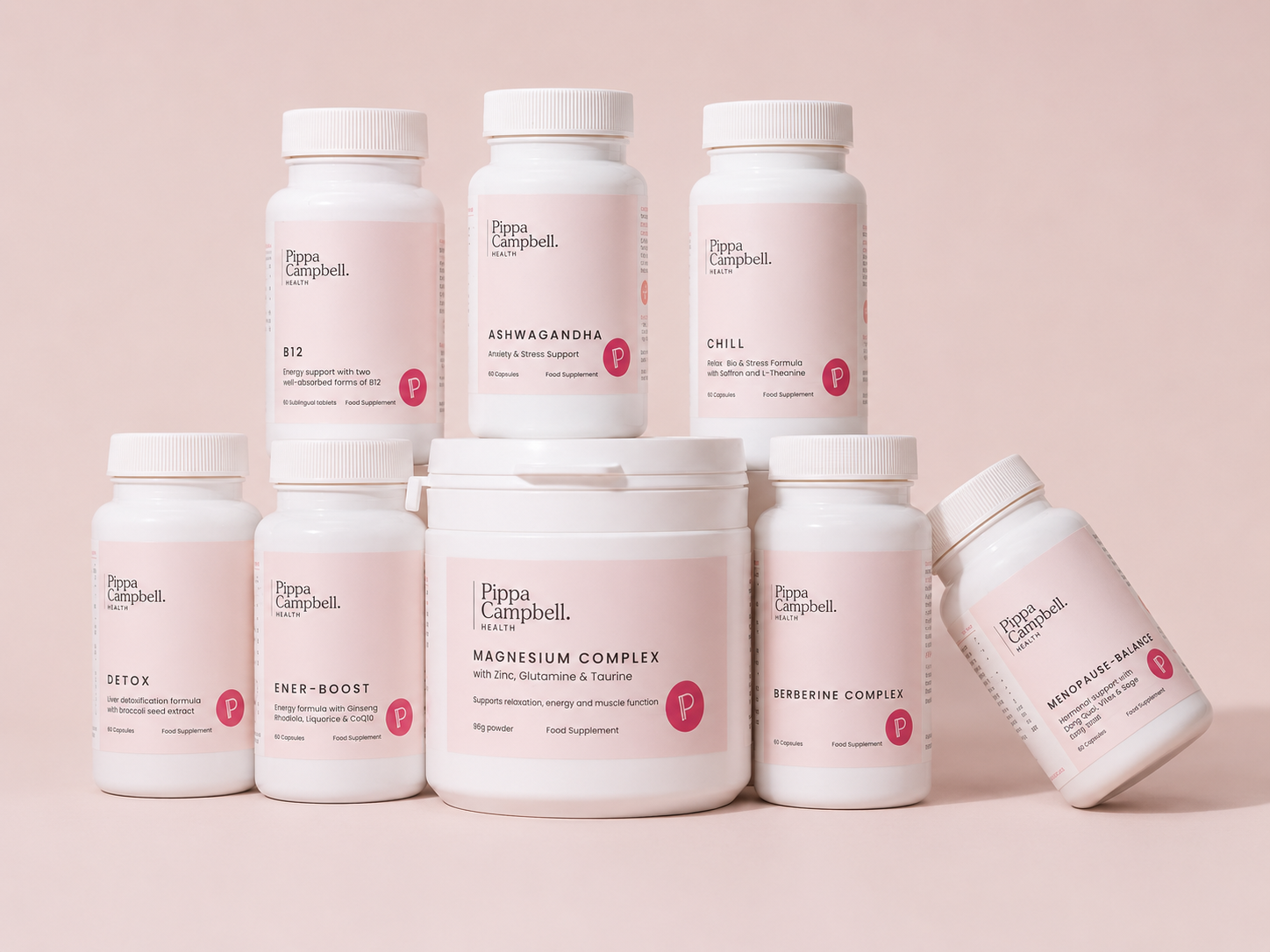
The patented saffron extract that I use in my Chill supplement is a saffron extract with the highest safranal UHPLC content (Ultra-high-performance liquid chromatography) due to its extraction process, preserving the full profile of the saffron, guaranteeing all its health benefits.
My Chill supplement may help to support optimal levels of the happiness neurotransmitter – serotonin as it can interact with essential serotonin receptors. This may ease the emotional disturbances experienced during PMS and create improved emotional balance.
In clinic, we recommend for hormonal imbalances the Dutch Test. This test measures a wide range of hormones, including oestrogen, progesterone, testosterone, cortisol, and their metabolites. By analysing these metabolites, we can gain insights into hormone production, metabolism, and clearance, allowing for a more accurate assessment of hormonal balance. For more information and to book a Dutch test visit our website.
References:
https://www.efsa.europa.eu/en/efsajournal/pub/6669
https://www.ncbi.nlm.nih.gov/books/NBK560698/