Perimenopause is a transitional phase that can last several years before menopause, marked by unpredictable hormone fluctuations rather than a steady decline in oestrogen. This instability can cause irregular cycles, mood swings, anxiety, headaches, worsening PMS, night sweats, fatigue, and changes in bone and heart health.
Shatavari (Asparagus racemosus) is an adaptogenic herb that has been traditionally used in Ayurveda to support hormonal balance, stress resilience, and reproductive health. Unlike direct hormone replacements, Shatavari works with the body’s endocrine system to promote stability and ease the transition into menopause.
1. Regulating Oestrogen Fluctuations
Perimenopause is characterised by erratic oestrogen levels—some days oestrogen is too high, causing symptoms like breast tenderness, anxiety, and heavy periods, while other days it plummets, leading to hot flashes, fatigue, and brain fog.
✔ Shatavari contains steroidal saponins, which interact with the body’s hormone receptors and help modulate oestrogen activity. Instead of forcing an oestrogenic response, Shatavari supports the body’s natural hormonal rhythms, helping smooth out extreme fluctuations (PMID: 11079574).
✔ This balancing effect is especially beneficial in early to mid-perimenopause, when hormonal swings are most severe and symptoms are at their peak.
2. Alleviating Perimenopausal Anxiety & Mood Swings
Fluctuating oestrogen and progesterone levels affect neurotransmitters like serotonin and GABA, leading to increased anxiety, mood swings, and irritability. Many women report new or worsening anxiety during perimenopause, often without an obvious external cause.
✔ Shatavari supports stress resilience by modulating the hypothalamic-pituitary-adrenal (HPA) axis, which controls cortisol production. When stress is high, cortisol competes with progesterone, worsening mood symptoms. By helping regulate the stress response, Shatavari reduces feelings of overwhelm, stabilises mood, and supports emotional balance (PMID: 29635127).
✔ This makes Shatavari particularly useful for perimenopausal women experiencing heightened stress, anxiety, or irritability.
3. Supporting the Adrenals—The Body’s Backup Oestrogen Source
As ovarian function declines, the adrenal glands take over some oestrogen production. However, if the adrenals are overworked due to chronic stress, this process becomes inefficient, leading to worsening fatigue, hormonal imbalances, and low resilience to stress.
✔ Shatavari is a powerful adaptogen that helps regulate adrenal function, ensuring that the transition from ovarian-produced to adrenal-supported hormones is smoother (PMID: 29635127).
✔ This makes it particularly valuable for women experiencing extreme fatigue, burnout, or feeling like their body is struggling to adapt to perimenopausal changes.
Take the Adrenal Fatigue Questionnaire to see if you could be suffering from adrenal fatigue and what you can do about.
4. Cycle Regulation & PMS Relief
Many women in perimenopause experience shortened or prolonged menstrual cycles, heavier bleeding, or worsening PMS symptoms due to fluctuating hormone levels.
✔ Shatavari has been shown to support ovarian function, helping to maintain regular menstrual cycles and ease PMS symptoms (PMID: 29635127).
✔ Its effects on hormonal balance and stress regulation may also reduce breast tenderness, mood swings, and period-related fatigue.
✔ By supporting hormonal stability, Shatavari helps reduce extreme cycle variations that are common in perimenopause.
5. Preventing Hormonal Migraines & Headaches
Hormonal headaches and migraines worsen in perimenopause, often triggered by sudden drops in oestrogen. Oestrogen withdrawal affects serotonin levels and blood vessel dilation, making headaches more frequent and severe.
✔ Shatavari helps stabilise oestrogen fluctuations, reducing the frequency of hormonal headaches (PMID: 11079574).
✔ Its anti-inflammatory and circulatory-supporting effects may also help ease perimenopausal migraines and tension headaches.
6. Bone & Heart Health—Protecting the Body Before Menopause
Perimenopause marks the beginning of bone loss and cardiovascular risk, even before menopause officially occurs. Oestrogen plays a critical role in bone density and heart health, but fluctuations weaken these protective effects.
✔ Shatavari has been studied for its ability to support bone metabolism, helping to maintain bone mineral density by modulating oestrogen receptors in bone tissue (PMID: 8708006).
✔ It also has antioxidant and anti-inflammatory properties, which may help protect cardiovascular health by reducing inflammation and supporting healthy blood vessels.
Why Shatavari Is Ideal for Perimenopause
Unlike menopause, where oestrogen steadily declines, perimenopause is defined by unpredictable fluctuations, leading to highs and lows that disrupt the body’s equilibrium. Shatavari works by modulating these fluctuations, rather than simply replacing oestrogen.
- Balances erratic oestrogen levels—supports both highs and lows
- Reduces anxiety, mood swings, and stress-related symptoms
- Supports adrenal function to help with the hormonal transition
- Regulates cycles and alleviates worsening PMS symptoms
- Prevents hormonal headaches and migraines
- Protects bones and cardiovascular health during the transition
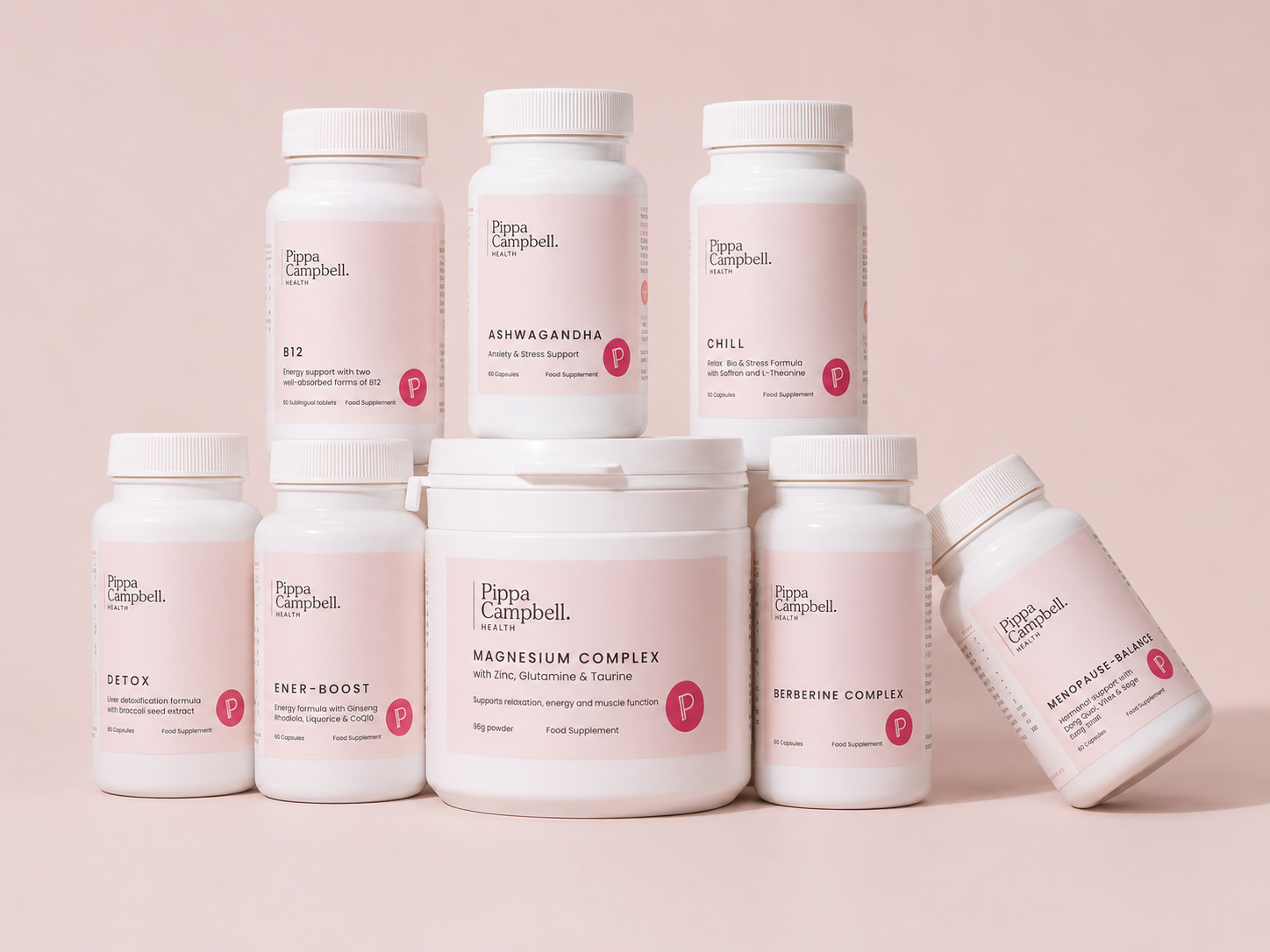
Shatavari is one of the key ingredients included in PCH Peri-Balance to smooth the journey of hormonal change in women over the age of 35.
As always, it’s best to consult a healthcare professional before starting any new supplement, especially if you’re pregnant, breastfeeding, or taking medication.
Conclusion
Perimenopause is a critical window for long-term hormonal health. By supporting the endocrine, adrenal, and nervous systems, Shatavari helps smooth out the transition into menopause, making it a powerful natural ally for women navigating this stage of life. So, why not give PCH Peri-Balance a try?
See also Eat Right, Balance Hormones, which offers a personalised plan to help uncover the root cause of hormonal imbalances and shows how to adjust your diet to achieve a better balance.
Take a look at our FREE RESOURCE – 5 Steps to Balancing Hormones for some simple changes to correct hormonal imbalance.