Perimenopause is the transitional phase before menopause, typically beginning in your 40s, though it can start earlier. During this time, your body undergoes a variety of hormonal changes, and as a result, you may experience symptoms that can be confusing or even bizarre. While hot flashes and irregular periods are well-known symptoms, perimenopause can bring on a host of other, less-talked-about changes. In this blog, we’ll explore 10 uncommon symptoms of perimenopause and offer some natural ways to ease them.
1. Sudden, Unexplained Acne Breakouts
For many women, acne is something they associate with their teenage years, but perimenopause can bring it back with a vengeance. Hormonal fluctuations, particularly an imbalance between oestrogen and testosterone, can cause an increase in oil production, leading to clogged pores and breakouts.
What You Can Do:
- Maintain a Skincare Routine: Use gentle cleansers, avoid harsh scrubbing, and opt for products with salicylic acid or tea tree oil, which help clear pores and reduce inflammation.
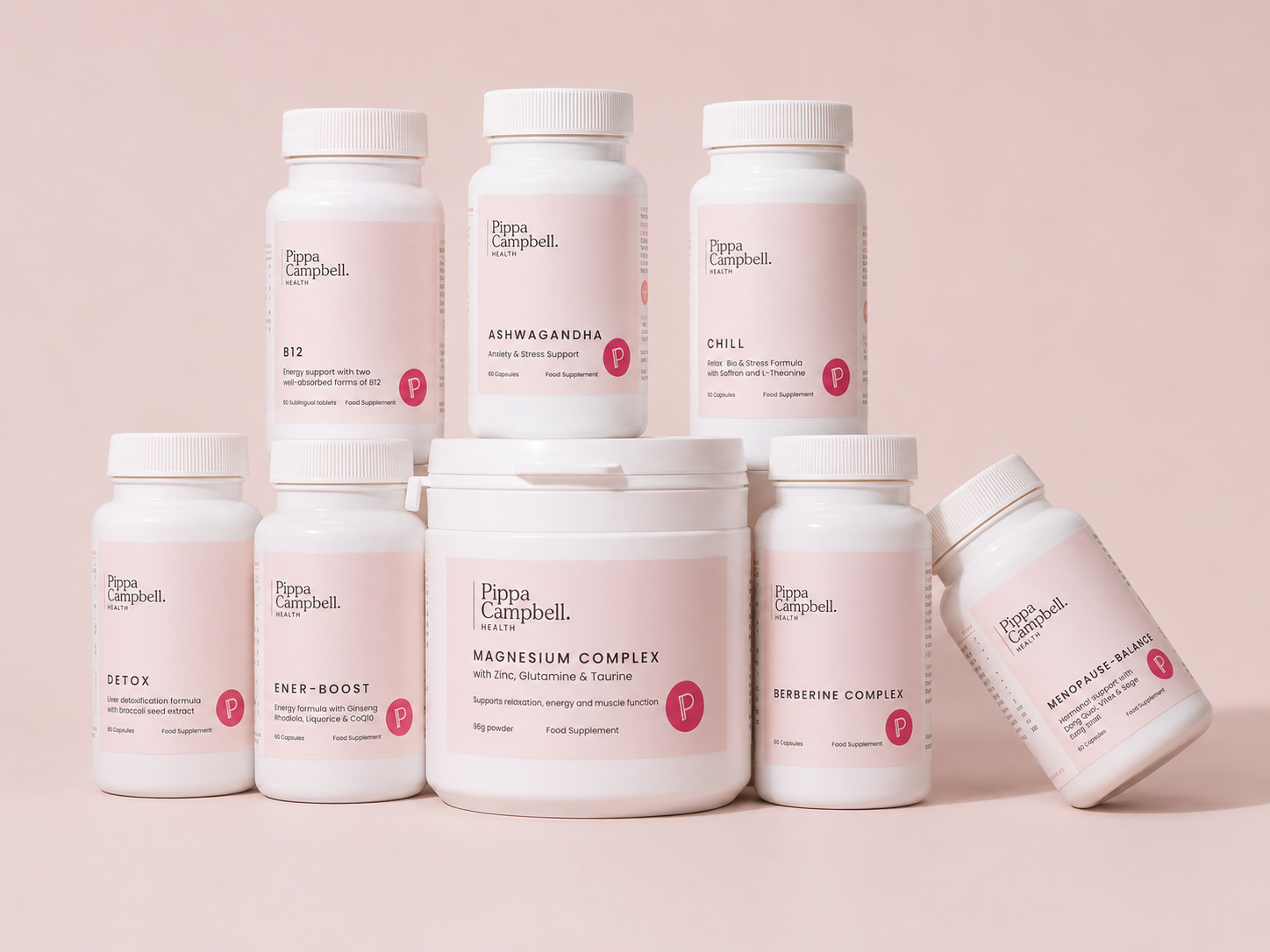
- Consider Supplements: Zinc and omega-3 fatty acids can help reduce inflammation and improve skin health.Consider taking PCH Krill Oil and PCH Meta-Boost which supports a healthy metabolism.
2. Tinnitus (Ringing in the Ears)
Tinnitus, or a persistent ringing, buzzing, or hissing sound in the ears, can become more pronounced during perimenopause. It is thought that the hormonal changes affect the nervous system and blood flow, which can lead to this unsettling symptom.
What You Can Do:
- Manage Stress: Techniques like meditation, yoga, and deep breathing can help reduce the perception of tinnitus.
- Ginkgo Biloba: This herb is sometimes recommended to help improve circulation and reduce the severity of tinnitus.
- Consider supplements:
- Vitamin B12 – Deficiency in vitamin B12 has been linked to tinnitus and hearing issues. Supplementing with B12 might improve nerve function and reduce tinnitus symptoms, especially if deficiency is present. Supplement with PCH B12.
- Vitamin D: Adequate vitamin D levels are essential for overall health, and a deficiency can worsen menopausal symptoms, possibly exacerbating tinnitus. Supplementing with vitamin D may help reduce these symptoms. Try PCH D3 Vegan Complex
See also the blog ‘Natural Ways to Ease Hormonal Tinnitus in Peri and Menopause‘
3. Strange Sleep Patterns
Many women experience disruptions in their sleep during perimenopause. Whether it’s insomnia, waking up in the middle of the night, or feeling like you’ve had no rest, hormonal shifts—especially in progesterone and oestrogen—play a major role.
What You Can Do:
- Practice Sleep Hygiene: Go to bed at the same time every night, avoid caffeine and heavy meals before bed, and limit screen time.
- Herbal Remedies: Valerian root, chamomile, and lavender are known for their calming properties and can help you sleep better. (Try taking PCH Mood & Sleep)
4. Increased Sensitivity to Smells (Hyperosmia)
Some women report becoming unusually sensitive to smells during perimenopause. This could be a result of fluctuating estrogen levels, which may heighten sensory perception. What once smelled tolerable might now be overpowering or even nauseating.
What You Can Do:
- Aromatherapy: Use calming scents like lavender, rose, or geranium essential oils to balance your senses and reduce irritation.
- Ventilate Your Space: Keep your home well-ventilated to help disperse strong odours.
5. Crawling Sensation on the Skin (Formication)
Formication refers to the sensation of insects crawling under your skin. It’s often linked to the hormonal changes that occur during perimenopause, particularly fluctuations in oestrogen. This can make you feel itchy or like something is crawling on you, even when there’s nothing there.
What You Can Do:
- Stay Cool: Hot flashes often accompany this symptom. Staying cool with breathable fabrics and avoiding overheating can help.
- Magnesium: Magnesium supplements may reduce nerve-related discomfort and calm the sensation. (Consider taking PCH Magnesium Complex)
6. Joint Pain and Stiffness
Perimenopause often comes with joint pain and stiffness, which can make everyday tasks feel more difficult. As oestrogen levels drop, the body may lose some of its ability to produce collagen, leading to less flexible joints and muscles.
What You Can Do:
- Exercise Regularly: Low-impact exercises like swimming, walking, and yoga can improve joint mobility and reduce pain.
- Anti-Inflammatory Foods: Incorporate foods rich in omega-3 fatty acids (like salmon and flaxseed) and turmeric to reduce inflammation and support joint health. Consider taking PCH Krill Oil and PCH Curcumin.
7. Nipple Discharge or Duct Ectasia
Nipple discharge can occur during perimenopause, and in some cases, it’s linked to a condition called duct ectasia, which involves the widening of milk ducts and sometimes causes the release of a thick, sticky discharge. While it can be benign, it’s essential to get any nipple discharge evaluated by a healthcare provider to rule out other possible causes, such as infections or tumours.
What You Can Do:
- Monitor Changes: Keep track of any changes in your breast tissue and report them to your healthcare provider, especially if you notice blood or a significant change in the discharge.
- Manage Stress: Since stress can sometimes exacerbate symptoms, incorporating stress-reduction techniques like yoga or meditation might help reduce discomfort.
8. Digestive Changes (Bloating, Constipation, or Diarrhea)
Hormonal shifts during perimenopause can also affect your digestive system. Many women notice more bloating, constipation, or even diarrhea as their hormones fluctuate.
What You Can Do:
- Fibre-Rich Diet: Incorporate more fruits, vegetables, and whole grains into your diet to keep your digestive system running smoothly.
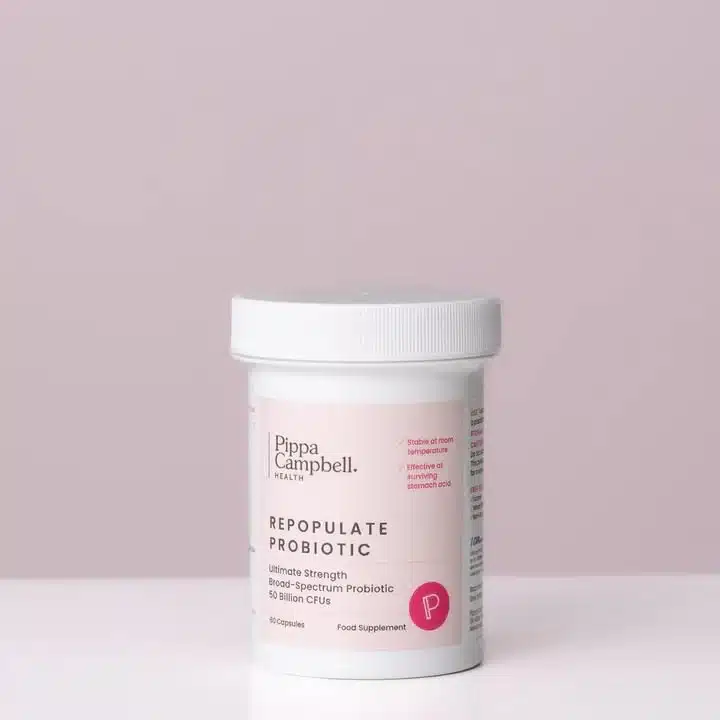
- Probiotics: Probiotic-rich foods like yogurt, kefir, and fermented vegetables can help balance gut bacteria and alleviate digestive discomfort. Try PCH Repopulate Probiotic.
9. Dry Mouth and Throat
Oestrogen plays a role in maintaining moisture in mucous membranes, so when levels drop, you might experience a dry mouth, throat, or even dry eyes. This can lead to difficulty swallowing or speaking and sometimes a feeling of constant thirst.
What You Can Do:
- Hydrate: Drink plenty of water throughout the day, and consider using a humidifier at night.
- Saliva-Stimulating Foods: Eat more citrus fruits (like oranges, lemons, and grapefruits) – These fruits are tangy and can stimulate the salivary glands due to their acidity, which can stimulate saliva production. Also apples – The crunchiness of apples and their natural tartness can help promote saliva production as well.
10. Increased Heart Rate or Palpitations
Feeling like your heart is racing or experiencing palpitations can be unsettling, especially if you’ve never had heart-related issues before. This symptom can be linked to hormonal fluctuations, anxiety, or stress during perimenopause.
What You Can Do:
- Practice Relaxation Techniques: Yoga, deep breathing exercises such as box breathing, or progressive muscle relaxation can help calm your nervous system and reduce palpitations.
- Magnesium and Potassium: Ensure your diet includes enough magnesium (found in leafy greens, nuts, and seeds) and potassium (found in bananas and potatoes), as they help regulate heart rhythm. Supplement with PCH Magnesium Complex.
Final Thoughts
Perimenopause can be a challenging time, but by understanding these odd symptoms and taking natural steps to manage them, you can navigate this stage of life with more ease. Always remember that lifestyle changes, including a balanced diet, regular exercise, and stress management, can play a significant role in reducing symptoms. If symptoms persist or worsen, it’s important to consult with a healthcare provider to explore other options for relief.
Check out Eat Right, Balance Hormones, which offers a personalised plan to help uncover the root cause of hormonal imbalances and shows how to adjust your diet to achieve a better balance.
Take a look at our FREE RESOURCE – 5 Steps to Balancing Hormones for some simple changes to correct hormonal imbalance.
References:
Products Featured In This Blog
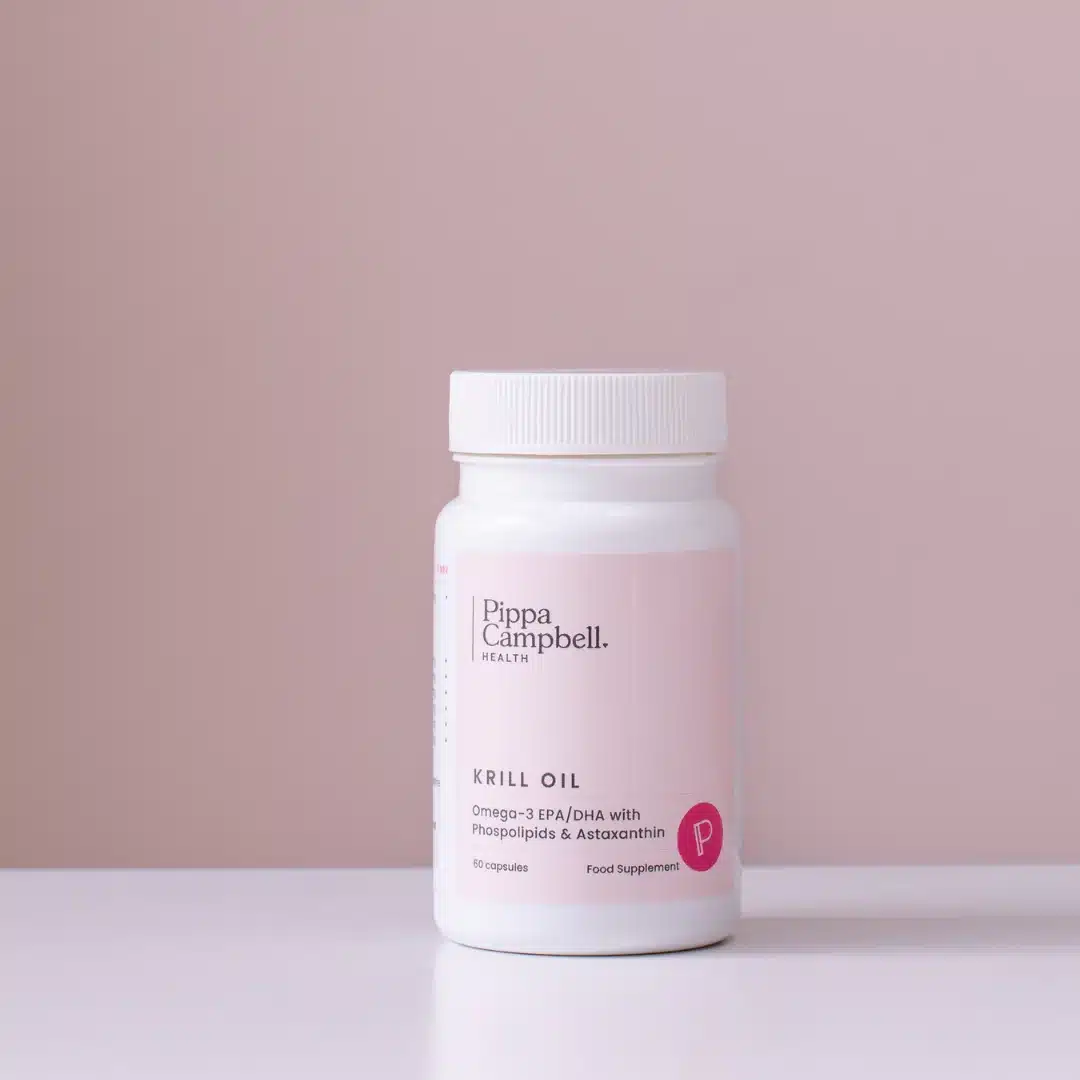
Antarctic Krill Oil

Meta Boost

B12

D3 Vegan Complex

Mood + Sleep

Magnesium Complex

Curcumin