If you feel constantly bloated, exhausted, or dealing with hormonal imbalances, the problem may not be what you’re eating—it’s how your liver and bile are functioning.
Bile is one of the most overlooked factors in digestion and hormone balance, yet it’s essential for breaking down fats, absorbing vitamins, clearing toxins, and regulating oestrogen. When bile becomes too thick, sluggish, or poorly produced, it leads to bloating, hormonal imbalances, low energy, and digestive discomfort.
If you’ve been eating healthily, taking probiotics, or trying to balance your hormones but still feel off, your bile flow could be to blame. Here’s how to recognise the signs and what you can do to fix it.
Signs Your Bile Flow & Liver Are Struggling
1. Bloating, especially after fatty meals – Bile breaks down fats; when it’s sluggish, fats sit undigested, causing bloating.
2. Fatigue and brain fog – Bile is essential for absorbing fat-soluble vitamins and clearing toxins; poor bile function leads to low energy and mental fogginess.
3. Hormonal imbalances, PMS, or oestrogen dominance – Bile helps eliminate excess oestrogen. When bile is sluggish, hormones build up, leading to PMS, heavy periods, mood swings, sore boobs, spotting, weight gain and bloating. In clinic we see some women experiencing symptoms after starting HRT often due to poor bile flow.
4. Pale, floating, or greasy stools – A sign that fats aren’t being properly digested due to poor bile production.
5. Burping, acid reflux, or a bitter taste in the mouth – Caused by bile backing up into the stomach and oesophagus instead of flowing into the intestines.
6. Feeling like food “sits” in your stomach after eating – Poor bile flow slows digestion, making meals feel heavy.
7. Croaky voice, sore throat, or mucus build-up – Bile reflux can irritate the throat and vocal cords, leading to hoarseness or mucus buildup.
8. Right-side discomfort or pressure under the rib cage – A sign of sluggish bile flow or gallbladder congestion.
9. Dry skin, brittle hair, and hair thinning – Bile is needed to absorb healthy fats and fat-soluble vitamins (A, D, E, K), which nourish skin and hair.
10. Acne, oily skin, or breakouts (especially around the jawline and chin) – Poor bile flow leads to oestrogen imbalance, sluggish detoxification, and poor fat metabolism, which are common triggers for acne.
11. Skin rashes, itching, or hives – A sluggish liver can cause bile acids to build up in the skin, leading to irritation, itching, and rashes.
12. Yellowish skin or eyes (mild jaundice from bile stagnation) – A sign of poor bile flow and inefficient liver detox.
13. Constipation or sluggish digestion – Bile acts as a natural lubricant for the digestive tract; without enough, stools become dry and difficult to pass.
14. Gallbladder issues or history of gallstones – Thick, sludgy bile is a major cause of gallstone formation and gallbladder dysfunction.
If you’re experiencing multiple symptoms on this list, your bile and liver function need support.
Why Your Liver Becomes Sluggish & Bile Flow Slows Down
Your liver produces bile, and your gallbladder stores and releases it when needed. But several factors can slow this process down, causing bile to become thick, stagnant, or poorly absorbed.
1. Toxin Overload & Liver Congestion
Your liver is responsible for filtering toxins from food, medications, alcohol, and the environment. When toxin exposure is high, the liver prioritises detox over bile production, leading to sluggish digestion, bloating, and fatigue. The more overloaded your liver becomes, the less effective bile production becomes, making fat digestion even harder.
2. High Cholesterol in Bile (Bile Sludge & Gallbladder Stress)
Bile contains cholesterol, bile salts, and phospholipids in a delicate balance. If cholesterol levels are too high, bile becomes thick and sludgy, leading to slow bile flow, poor fat digestion, and gallbladder congestion.
Cholesterol may be too high in bile due to:
• Poor bile salt production (not enough bile salts to keep cholesterol properly emulsified)
• Hormonal imbalances, especially oestrogen dominance (which increases cholesterol saturation in bile)
• A diet high in processed fats and low in bitter foods (which stimulate bile flow)
• Metabolic dysfunction or insulin resistance, which increases cholesterol production in the liver
This thickened, sluggish bile fails to flow properly, leading to bloating, fatigue, and gallbladder stress. Over time, it can also increase the risk of gallstone formation if left unaddressed. (See also blog on Poor Bile Flow Causing High Cholesterol, Toxins Overload and Potential Gallbladder Issues)
3. Low Stomach Acid (Fails to Trigger Bile Release)
Bile release depends on a digestive hormone called cholecystokinin (CCK), which is triggered by stomach acid. If your stomach acid is too low, bile isn’t released properly, leading to bloating, reflux, and slow digestion.
Without enough stomach acid, the gallbladder isn’t stimulated to release bile, leaving fats undigested and contributing to bile sludge, burping, and discomfort after meals.
4. Nutrient Deficiencies Affecting Bile Production
Your liver needs Taurine, Glycine, and Choline to produce bile salts, which keep bile fluid and effective. A deficiency in these nutrients results in poorly formed, sluggish bile, making it difficult to digest fats properly. This can lead to fat-soluble vitamin deficiencies, sluggish metabolism, and hormonal imbalances.
5. Poor Gut Health (Reabsorbing Toxic Bile)
Your gut microbiome plays a huge role in bile health. If digestion is slow, bile acids get reabsorbed in a toxic form instead of being properly eliminated. This leads to bloating, inflammation, and hormonal imbalances. Constipation, dysbiosis, or leaky gut can make this even worse.
6. Stress & Hormonal Imbalances
Chronic stress elevates cortisol, which slows digestion, bile production, and detoxification. Oestrogen dominance can also increase bile thickness, making it harder to flow freely. If you struggle with PMS, bloating, or low energy, your bile flow may be compromised due to hormonal imbalances.
How to Restore Bile Flow & Fix Digestion
The good news? You can fix sluggish bile flow and digestion naturally by focusing on liver support, bile thinning, and digestive stimulation.
To get bile moving properly again:
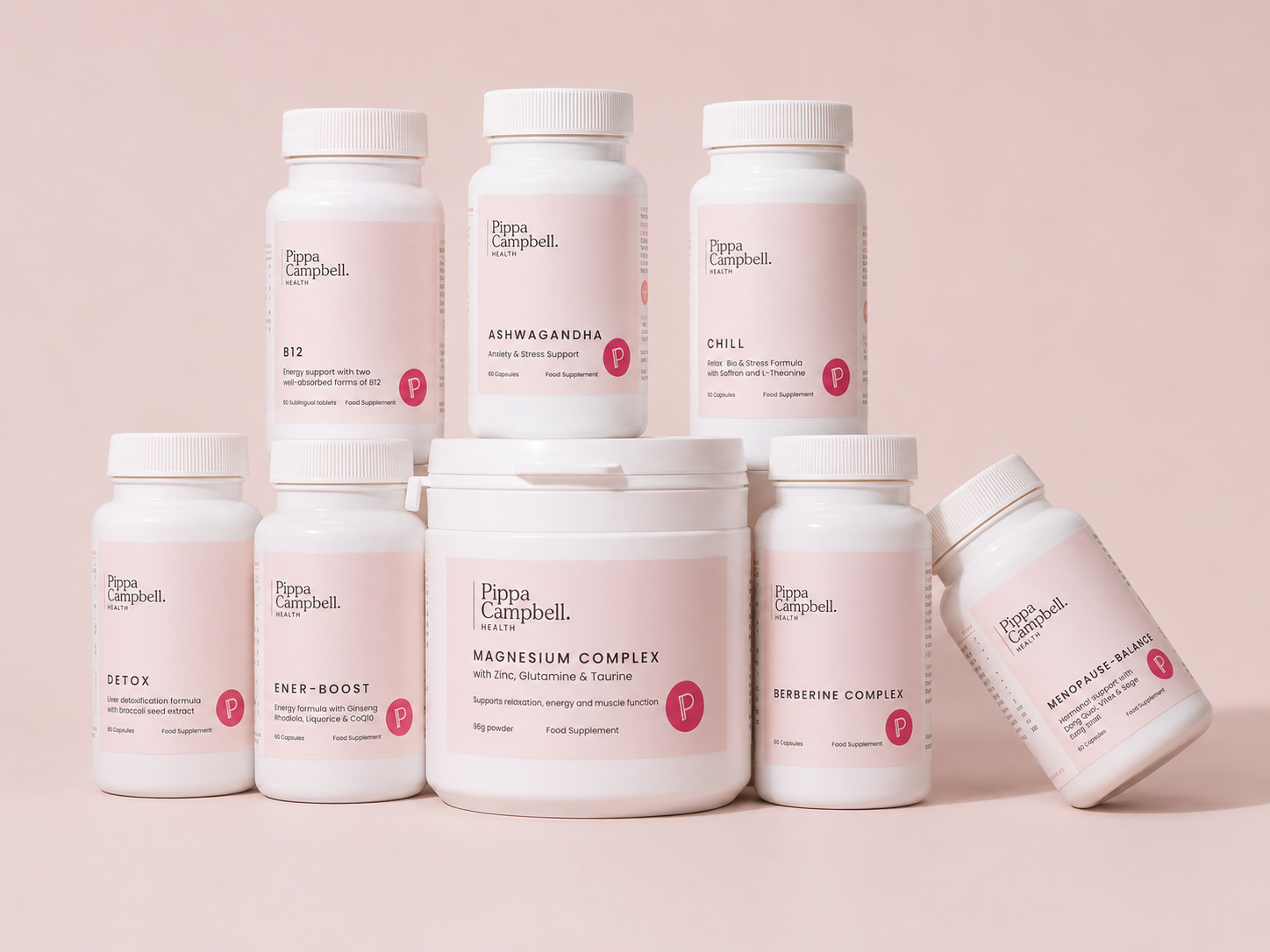
• Support liver detox & bile production with Milk Thistle, Phosphatidylcholine, and Detox Supplements
• Trigger bile release naturally with Betaine HCl and Artichoke Extract
• Support the gut stage of clearance with Fibre Complex, which binds used bile and oestrogen in the gut so they are carried out rather than reabsorbed
• Balance stress and hormones with Ashwagandha and Magnesium Complex (which contains taurine to support bile production and magnesium to support stress response. Bile flows when we are in a parasympathetic mode.
By addressing bile stagnation, you’ll notice better digestion, less bloating, improved energy, and even hormonal balance.
If you have been struggling with any of the above symptoms and want personalised guidance on restoring your liver and digestion naturally, a Discovery Consultation is a good place to start. This is a fifteen-minute focused session with a Pippa Campbell Method practitioner specialising in naturopathic endocrinology, and the fee is redeemable against any test or package you book within seventy-two hours.