If you’re dealing with issues like involuntary incontinence, vaginal infections, fibroids, uterine polyps, PMS, or vaginal atrophy, you’re not alone. Many women experience these concerns, and they can be incredibly disruptive to daily life. However, there are natural ways to support your body and improve your symptoms. This ‘uterine and vaginal health’ blog will outline what might be happening in your body and what you can do to help restore balance naturally.
Involuntary Incontinence
Symptoms:
- Peeing when sneezing, exercising, or laughing
- Sudden, uncontrollable urges to urinate
- Urine leakage without warning
- Discomfort or pressure in the lower abdomen
Involuntary incontinence can stem from various factors, especially as we age or experience hormonal shifts during perimenopause and menopause.
Here’s why it might be happening:
Hormonal Changes: As you enter perimenopause and menopause, declining levels of DHEA, testosterone, and oestrogen can weaken the urethral lining and pelvic floor muscles. The thinning of tissues in the vaginal and urethral areas reduces support for the bladder, making it harder to control urine flow.
Pelvic Floor Weakness: Aging and lack of exercise naturally weaken muscles, including those supporting the bladder. Without proper muscle strength, incontinence becomes more common.
Hysterectomy: Removing the uterus surgically can affect the pelvic floor, leading to incontinence as the muscles and nerves in the area are disrupted.
Pregnancy & Childbirth: Pregnancy increases pressure on the bladder, while vaginal delivery can weaken pelvic floor muscles, sometimes leading to lasting incontinence.
Chronic UTIs, Obesity, and Medications: Chronic urinary tract infections, obesity, and certain medications (like diuretics and sedatives) can all contribute to bladder control issues.
What You Can Do:
- Strengthen the Pelvic Floor: Pelvic floor exercises can help strengthen the muscles that support your bladder and urethra, which can help relieve involuntary incontinence. Try using tools such as Perifit which can help reduce bladder leakage and improve muscle tone. Sitting on a ball for 3 minutes a day can release fascia and revive the pelvic muscles. Listen to my Live with the Vagina Coach which discusses how to do pelvic floor exercises properly.
- DHEA Boost: Apply a DHEA cream to the vulva to strengthen tissues and support muscle tone. Raising local DHEA levels is a key strategy for many women. Consider working with a functional hormone specialist to explore bioidentical hormone therapy.
- Oestrogen Support: For natural oestrogen support, try PCH Oestro-Balance which helps the needs of women experiencing hormonal imbalances such as hot flushes, night sweats, hormonal migraines, irritability, sleep disruption, low energy and mood changes.
Vaginal Infections
Common Types of Vaginal Infections:
- Bacterial Vaginosis (BV): Characterised by a thin, greyish-white discharge with a strong fishy smell, especially after intercourse.
- Urinary Tract Infections (UTIs): Include symptoms like frequent urination, burning sensations, and cloudy or strong-smelling urine.
- Vaginal Candida (Yeast Infection): Manifests as intense itching, cottage cheese-like discharge, and soreness in the vaginal area.
Why It’s Happening:
- Imbalance of Vaginal Bacteria: Overgrowth of harmful bacteria, like Gardnerella vaginalis in BV or Escherichia coli (E. coli) in UTIs, disrupts the balance of healthy bacteria in the vagina.
- Diet: A diet high in processed carbs, sugars, alcohol, and inflammatory foods can disrupt gut and vaginal bacteria, leading to infections.
- Hormonal Changes: As oestrogen levels decline, the vagina produces less glycogen, which Lactobacilli (good bacteria) need to create lactic acid. This raises the vaginal pH, creating a more hospitable environment for harmful bacteria to grow.
- Frequent Douching: Douching disrupts the natural balance of bacteria and can make infections more likely.
What You Can Do:
- Restore Bacterial Balance: Use probiotics like PCH Repopulate Probiotic which contains Lactobacillus acidophilus and Lactobacillus rhamnosus commonly recommended for vaginal infections as they help restore a healthy balance of bacteria in the vagina.
- Avoid Antibiotics When Possible: While antibiotics are sometimes necessary, they can disrupt the delicate balance of bacteria in your body, leading to recurrent infections.
- Dietary Changes: Cut back on sugar, alcohol, and processed foods. A healthy diet is vital for maintaining a healthy balance of bacteria both in the gut and the vagina.
- Hormonal Support: Raising local DHEA levels with a prescribed cream can help support vaginal health. Phytoestrogen-rich supplements or bioidentical hormones can also aid in rebalancing oestrogen levels.
Fibroids, Uterine Polyps, and PMS
Fibroids are non-cancerous growths in or around the uterus. Although their cause is not fully understood, fibroids are closely linked to hormonal imbalances, particularly Oestrogen Dominance.
Symptoms:
- Heavy menstrual bleeding (menorrhagia)
- Prolonged or heavy periods
- Passing large blood clots during menstruation
- Pelvic pain and pressure
- Lower back pain
- Frequent urination or difficulty emptying the bladder
- Visible swelling or enlargement of the lower abdomen
- Constipation or difficulty with bowel movements
- Pain or discomfort during sexual intercourse
- Infertility or difficulty getting pregnant
Why It’s Happening:
Fibroids often develop due to an excess of oestrogen relative to progesterone, a condition called Oestrogen Dominance. This imbalance may be driven by several factors:
- Hormonal Changes:
- Oestrogen Dominance is a key underlying cause of fibroids, with oestrogen levels being too high relative to progesterone.
- Low Progesterone Levels: Often, the imbalance is due to low progesterone rather than excessively high oestrogen.
- Perimenopause: During this phase, oestrogen levels fluctuate while progesterone declines, which can trigger or exacerbate fibroid growth.
- Obesity and Belly Fat:
- Fat tissue produces oestrogen, leading to higher overall oestrogen levels, particularly in overweight individuals.
- Environmental Oestrogens (Xenoestrogens):
- Chemicals that mimic oestrogen, found in plastics, pesticides, and personal care products, can contribute to Oestrogen Dominance and fibroid development.
- Liver Detoxification Issues:
- The liver is responsible for metabolising and eliminating oestrogen. If the liver is overburdened or not functioning optimally, it cannot effectively remove “dirty” oestrogens, leading to oestrogen buildup.
- Chronic Stress and Cortisol:
- Chronic stress leads to elevated cortisol levels, which can disrupt progesterone and oestrogen balance, contributing to fibroid growth.
- Hormonal Birth Control:
- Long-term use of oestrogen-containing birth control can lead to hormone imbalances, including Oestrogen Dominance, which may promote fibroid growth.
What You Can Do
The key to managing fibroids lies in addressing the root cause: Oestrogen Dominance. Here’s how to support your body in balancing hormone levels and reducing fibroid-related symptoms:
- Balance Oestrogen Levels:
- Use PCH Oestro-Balance to help regulate oestrogen levels.
- Foods to naturally balance oestrogen levels include flaxseeds, cruciferous vegetables (like broccoli and kale), soy products, and seeds such as pumpkin and sunflower.
- Support Liver Detoxification:
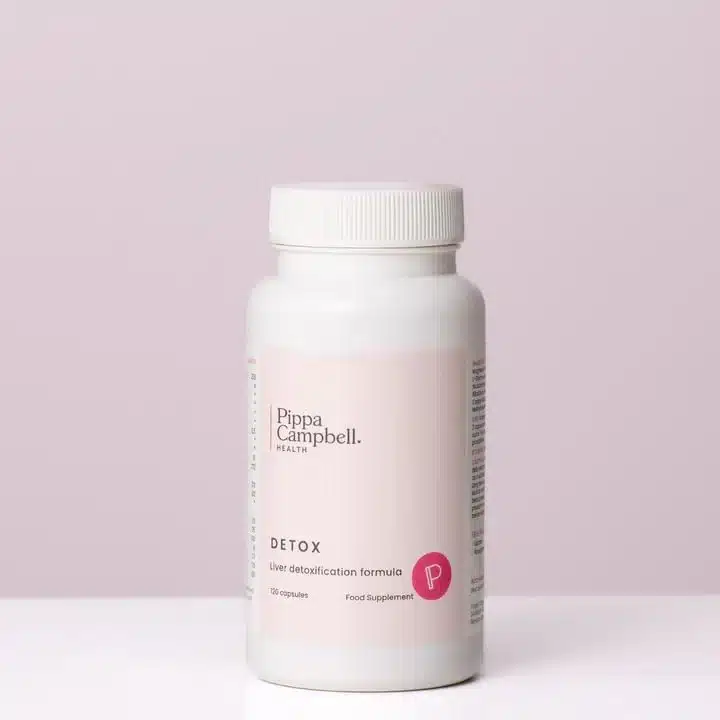
- Help your liver metabolise and detoxify oestrogen by taking PCH Detox. It supports our bodies with the right balance of vitamins and minerals needed to optimise the detoxification process.
- Improve Your Diet:
- Reduce your intake of sugar, processed foods, alcohol, and caffeine—all of which can worsen hormonal imbalances.
- Increase your intake of fibre-rich foods to support your body’s natural detoxification processes.
- Limit Exposure to Xenoestrogens:
- Switch to clean, organic products for personal care and cleaning to reduce exposure to hormone-disrupting chemicals.
- Manage Stress:
- Incorporate stress-reducing activities into your routine, such as yoga, meditation, or deep breathing exercises to help regulate cortisol levels and support hormonal balance.
- Consider Bioidentical Hormones:
- If needed, consult a functional hormone specialist to explore bioidentical progesterone or oestrogen therapy to help correct hormonal imbalances.
- Herbal Remedies:
- Try Pippa’s Witches Brew – Serves 2 – Ingredients: 1tsp each camomile, valerian, passionflower, Lemon Balm dried herbs. Method: Add freshly boiled water, infuse for 10 minutes and drink. Recipe taken from my new book Eat Right, Balance Hormones.
By taking a holistic approach and addressing Oestrogen Dominance, you can manage fibroid symptoms and support long-term hormonal health.
Vaginal Atrophy
Vaginal atrophy, also known as atrophic vaginitis, occurs when the vaginal tissues thin, dry out, and become more fragile due to a decline in oestrogen levels. This condition is most common during and after menopause but can affect women of all ages, particularly those experiencing hormonal imbalances.
Symptoms:
- Thinning of vaginal walls
- Vaginal dryness and lack of natural lubrication
- Burning in the vagina or during urination
- Pain during intercourse
- Vaginal itching and irritation
- Heightened irritation and redness in the vaginal area
- Increased sensitivity to soaps, detergents, or latex
- Possible swelling or rash in the affected area
Why It’s Happening
Vaginal atrophy is primarily caused by a decline in oestrogen levels, which can lead to:
- Decreased DHEA and Oestrogen Levels:
- Low levels of DHEA and oestrogen lead to thinning of the vaginal walls and weakening of the pelvic floor muscles.
- Oestrogen supports healthy vaginal tissues by keeping them elastic, lubricated, and thick. When oestrogen levels drop, the vaginal tissues lose their natural protection, making them more prone to irritation, dryness, and infection.
- Bacterial Imbalance:
- Oestrogen plays a key role in maintaining the balance of beneficial bacteria in the vagina. Low oestrogen levels can upset this balance, allowing pathogenic bacteria to flourish.
- Reduced Blood Flow:
- Lack of blood flow to the pelvic area can worsen vaginal atrophy by reducing tissue repair and regeneration in the vaginal walls and pelvic floor muscles.
What You Can Do
Fortunately, there are natural solutions to help restore vaginal health and alleviate the symptoms of vaginal atrophy. Here’s how you can support your body:
- Raise DHEA Levels:
- Consider working with a functional hormone specialist to explore bioidentical hormone therapy. For dryness and discomfort and to relieve vaginal atrophy apply Yes Vaginal Moisturiser (see Pippa Loves) – it also alleviates irritation, itching and burning.
- Boost Oestrogen Levels:
- If you prefer supplement support, consider PCH Oestro-Balance, which is a peri menopause and menopause formula that helps to balance the hormone oestrogen. Also look at PCH Peri-Balance which is a unique blend of traditionally used plant extracts, a key mineral and vitamin for hormonal metabolism and singular glandular, all designed to smooth the journey of hormonal change for all women over the age of 35
- Some women find relief by drinking red clover tea or using black cohosh, dong quai, or Siberian rhubarb extract to help support hormone balance.
- Balance Vaginal Microbiome:
- To restore a healthy bacterial balance, avoid sugar, alcohol, and processed foods, which can encourage the growth of harmful bacteria.
- Incorporate a good quality probiotic such as PCH Repopulate Probiotic, which contains beneficial strains of Lactobacilli to help restore vaginal health.
- Restore Pelvic Floor Strength:
- See above for the Live with the Vagina Coach on how to do pelvic floor exercise properly and improve muscle tone.
Conclusion
Don’t forget that routine pelvic exams and smear tests are essential to monitor uterine and vaginal health. Consult a healthcare professional if you experience any concerning symptoms, such as abnormal bleeding, pain, or dryness.
Maintaining a healthy uterus and vagina requires a combination of balanced hormones, a nutritious diet, regular exercise, and stress management. If you are dealing with ongoing concerns like irregular cycles, fibroids, or other symptoms, we recommend taking a DUTCH test (Dried Urine Test for Comprehensive Hormones). This comprehensive test can help identify any underlying hormonal imbalances, providing valuable insight to guide your wellness journey and targeted treatment.
Take a look at the 5 simple steps to balancing your hormones in our free hormone training video here
Products Featured In This Blog
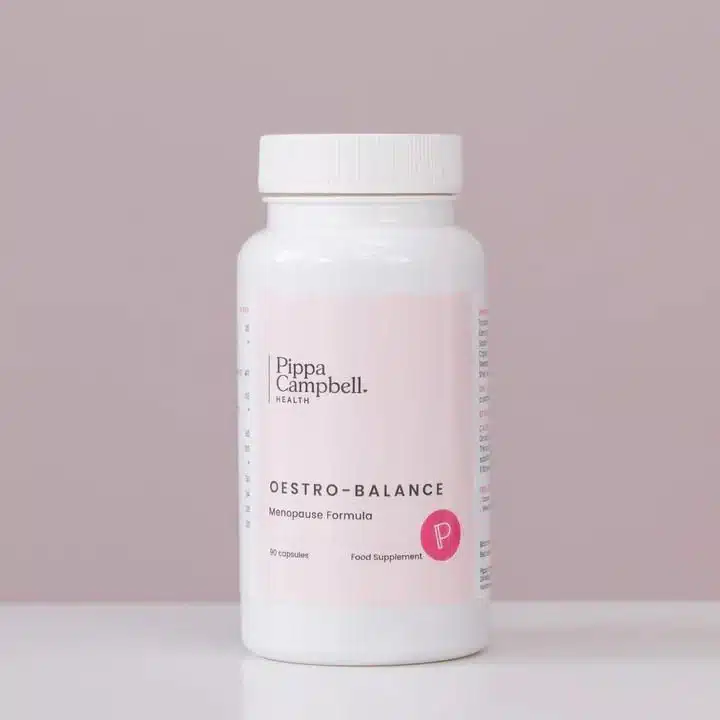
Oestro-Balance
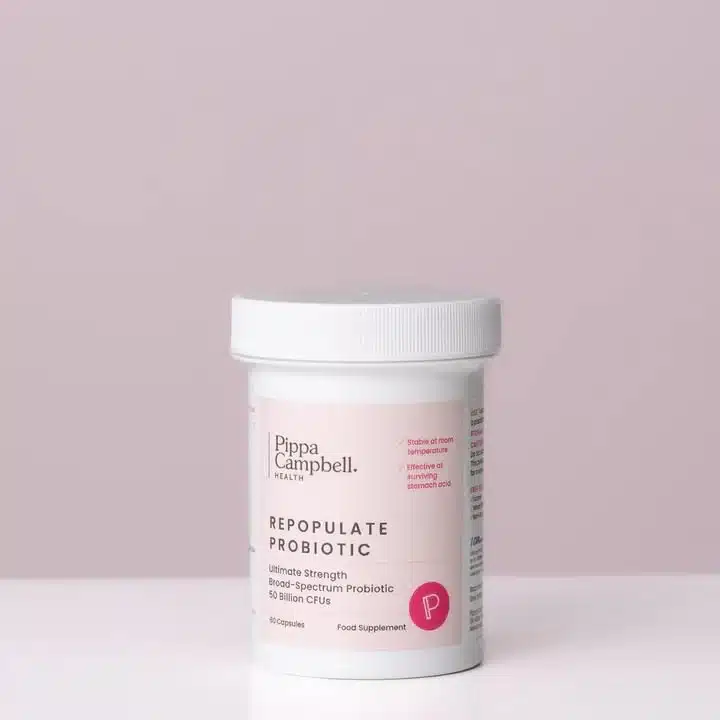
Repopulate Probiotic