When you think of oestrogen dominance, a hysterectomy—especially one that includes the removal of ovaries (oophorectomy)—seems like it should put an end to any hormone-related imbalance, right? After all, with the ovaries gone, the body has lost its main source of oestrogen. But here’s the twist: oestrogen dominance can still occur even after a full hysterectomy. So, how is this possible?
1. Fat Cells Still Produce Oestrogen
It might surprise you to learn that fat cells—yes, the ones we’re always trying to manage—can actually contribute to oestrogen production. Even after a hysterectomy, fat tissue contains an enzyme called aromatase. This enzyme converts androgens (produced by the adrenal glands) into oestrogen. Essentially, your fat cells can still generate significant amounts of oestrogen, especially if you have higher body fat.
2. The Adrenal Glands Have a Hand in Oestrogen Production
The adrenal glands, which sit atop your kidneys, still produce small amounts of androgens after a hysterectomy. These androgens can then be converted into oestrogen by peripheral tissues like fat, muscle, and skin. So, even though the ovaries are no longer in the picture, your body still has a backup plan for producing oestrogen through these other mechanisms.
3. Hormone Replacement Therapy (HRT) and Oestrogen Imbalance
If you’re undergoing hormone replacement therapy (HRT) and are receiving oestrogen but not enough progesterone, this can result in relative oestrogen dominance. While you may have no uterus to worry about, progesterone is still needed to balance oestrogen levels. Without adequate progesterone, oestrogen can become too dominant, leading to unwanted symptoms.
4. Xenoestrogens: Environmental Estrogens
Xenoestrogens are synthetic chemicals found in everyday products like plastics, cosmetics, pesticides, and even some processed foods. These chemicals mimic the effects of oestrogen in the body, contributing to oestrogen dominance. Even without ovaries, these external sources of oestrogen can disrupt your hormonal balance, making it crucial to reduce exposure to them whenever possible.
5. Liver Detoxification: A Key to Oestrogen Balance
Your liver plays a major role in detoxifying and clearing excess oestrogen from the body. If your liver isn’t functioning optimally—due to poor diet, alcohol consumption, or certain medications—oestrogen levels may stay elevated. Supporting liver health is essential in helping your body clear out excess oestrogen and maintain a balanced hormone profile. Oestrogen detoxification happens in three phases: Phase 1, where the liver converts oestrogen into protective or harmful metabolites; Phase 2, where enzymes neutralise these metabolites for excretion; and Phase 3, the elimination of oestrogen through bile, urine, and stool. For more on this, take a look at my previous blog on understanding the role oestrogen and detoxification.
6. Gut Health and Oestrogen Recirculation
Did you know your gut microbiome plays a role in oestrogen metabolism? If you have an imbalance of gut bacteria, this can lead to the reabsorption of oestrogen instead of proper elimination, causing oestrogen levels to remain high. Gut health, then, is a critical piece of the oestrogen dominance puzzle.
Symptoms of Oestrogen Dominance After a Hysterectomy:
- Weight gain (especially around the hips and thighs)
- Fatigue
- Breast tenderness
- Mood swings, anxiety, or depression
- Brain fog
- Bloating
- Headaches
What You Can Do to Help:
- Support Liver Detoxification:
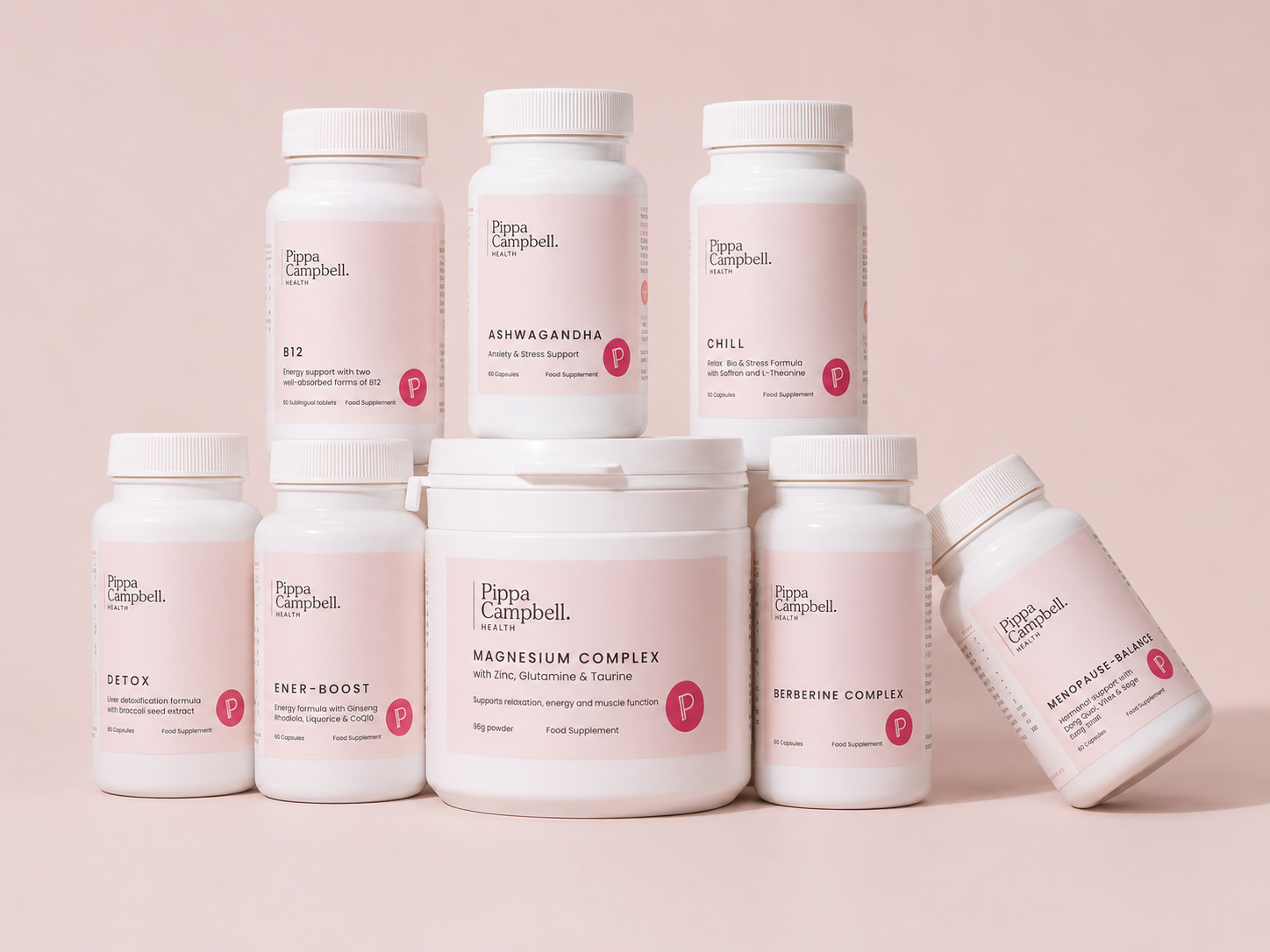
Incorporate cruciferous vegetables (like broccoli, Brussels sprouts, and cabbage), drink plenty of water, and limit alcohol. These practices help support liver function and detoxify excess oestrogen. Consider taking supplements like PCH Detox to support liver function. - Manage Weight:
Since fat cells produce oestrogen, maintaining a healthy weight is an effective way to reduce oestrogen dominance. Exercise, balanced nutrition, and stress management can help with weight regulation. - Check Adrenal Function:
Stress can impact adrenal function, leading to hormone imbalances. Practice stress-reducing techniques like meditation, yoga, or reducing caffeine intake to support your adrenal health. Check adrenal function with a DUTCH test. This includes cortisol over 24 hours and DHEA. DHEA is the ‘mother’ hormone that makes female sex hormones in menopause and after hysterectomy. - Consider Hormone Testing:
Testing is an essential step in understanding your hormone levels. The DUTCH test (which we recommend) provides a comprehensive look at how your body is handling oestrogen, progesterone, and other key hormones, helping to identify imbalances. - Reduce Exposure to Xenoestrogens:
Minimise the use of plastic containers, choose natural skincare products, and opt for organic foods whenever possible to reduce your exposure to environmental oestrogens. - Improve Gut Health:
Take probiotics, eat fibre-rich foods, and avoid processed foods to promote a healthy gut microbiome. A balanced gut can help with the proper elimination of excess oestrogen.
Conclusion:
Oestrogen dominance after a hysterectomy may seem counterintuitive, but it’s a real and manageable issue. Understanding the factors that contribute to oestrogen imbalance, including fat cells, adrenal function, and gut health, can empower you to take control of your health. With the right steps, such as supporting liver detoxification, managing weight, and considering hormone testing, you can bring balance back to your hormones and start feeling like yourself again.
For more information on oestrogen dominance check out my book Eat Right, Balance Hormones.