Oestrogen dominance is a term that describes an imbalance where oestrogen levels are high in relation to progesterone. It’s a common issue, particularly in perimenopause, but can also affect younger women. One of the lesser-known consequences of oestrogen dominance is its impact on sex hormone-binding globulin (SHBG), a protein produced by the liver that regulates the availability of hormones like oestrogen and testosterone.
When oestrogen levels rise, SHBG production increases. While this might seem like a natural regulatory process, the effects can be far-reaching, altering the delicate balance of other hormones and leading to symptoms that many women struggle with but don’t always connect to their hormonal health.
How Oestrogen Increases SHBG
SHBG is a carrier protein that binds to sex hormones, including oestrogen and testosterone, making them inactive. The liver produces more SHBG in response to high oestrogen levels, particularly when oestrogen comes from oral contraceptives, hormone replacement therapy (HRT), pregnancy, or even environmental xenoestrogens found in plastics, pesticides, and personal care products.
Oral oestrogen has the most significant effect because it undergoes first-pass metabolism in the liver, directly stimulating SHBG production. This is why women on the contraceptive pill or oral HRT often have much higher SHBG levels than those using transdermal (patch or gel) oestrogen, which bypasses the liver.
High SHBG levels mean more oestrogen and testosterone are bound, reducing the amount of free, active hormones in circulation. This imbalance can have a profound effect on a woman’s body, leading to symptoms that are often mistaken for other health conditions.
The Different Types of Oestrogen Dominance
Oestrogen dominance doesn’t always mean oestrogen is excessively high. It can occur in several ways:
• High oestrogen with normal progesterone – This often happens due to excessive exposure to oestrogen from the environment, poor detoxification, or chronic stress suppressing ovulation.
• Normal oestrogen but low progesterone – Common in perimenopause, after stopping birth control, or during times of stress when ovulation is irregular or absent. Without enough progesterone to balance it, even normal oestrogen levels can become dominant.
• Oestrogen metabolism issues – Even if oestrogen and progesterone levels are normal, the way the body processes oestrogen can lead to dominance. Poor phase 1 liver detoxification (favouring the wrong pathway), weak methylation (needed for phase 2 detoxification), impaired phase 2 liver function, or gut dysbiosis (which affects oestrogen recycling) can all lead to high levels of the more potent and inflammatory forms of oestrogen.
Understanding which type of oestrogen dominance is at play is key to addressing the root cause rather than just focusing on hormone levels.
The DUTCH Test is a comprehensive at-home urine test that measures oestrogen levels, how your body processes oestrogen, and other key hormones like progesterone, testosterone, DHEA, and cortisol for a full picture of your hormone health.
The Symptoms of High SHBG and Hormonal Imbalance
As SHBG increases, free testosterone is one of the first hormones to decline. Although testosterone is often thought of as a “male hormone,” it plays a crucial role in women’s health, influencing energy, mood, muscle strength, and libido. When SHBG binds too much testosterone, symptoms can include:
• Low libido and reduced sexual sensitivity
• Fatigue and low motivation
• Loss of muscle tone and difficulty building strength
• Thinning hair or increased hair shedding
At the same time, while high SHBG may seem like it would reduce oestrogen’s effects, the reality is more complex. SHBG only binds to free oestrogen, meaning that if total oestrogen levels are already high, oestrogen dominance symptoms may persist despite increased SHBG. This can lead to:
• Breast tenderness and swelling
• Fluid retention and bloating
• Heavy or painful periods
• Mood swings, anxiety, or irritability
• Brain fog and memory issues
Oestrogen, SHBG, and Weight Gain
Another key issue is the relationship between SHBG and metabolism. Women with high SHBG may struggle with stubborn weight gain, particularly around the hips and thighs, due to oestrogen’s role in fat storage. At the same time, low free testosterone makes it harder to build lean muscle, slowing metabolism even further. This can create a frustrating cycle where weight gain contributes to more oestrogen production (since fat tissue aromatises androgens into oestrogens), perpetuating the imbalance.
When to Test for SHBG and Hormone Imbalances
If you suspect high SHBG is affecting your health, blood tests can provide clarity. SHBG should be tested alongside total and free testosterone, oestradiol, and progesterone to get a complete picture of hormonal balance. If SHBG is high and free testosterone is low, it may be necessary to explore the root causes of oestrogen dominance, whether that’s liver function, gut health, stress, or exposure to endocrine-disrupting chemicals.
How to Restore Balance
Managing oestrogen dominance and reducing SHBG naturally involves supporting liver function, balancing blood sugar, and optimising progesterone levels. Focusing on cruciferous vegetables, flaxseeds, and foods rich in B vitamins and magnesium can help the body metabolise excess oestrogen more efficiently. Reducing synthetic oestrogen exposure from plastics, pesticides, and hormone-disrupting chemicals is also key.
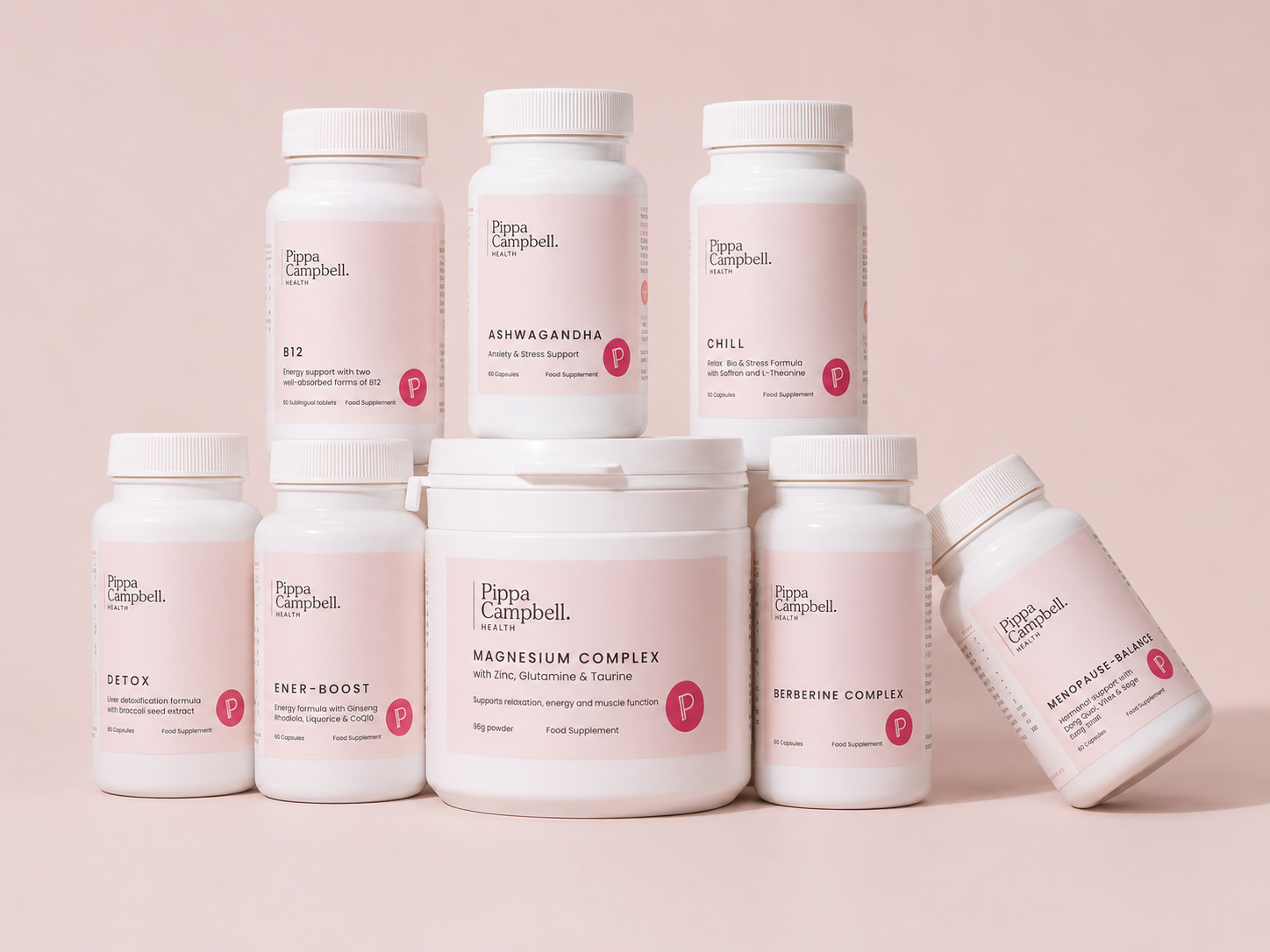
Supplements to consider: PCH B Complex, PCH Magnesium Complex, PCH Super Greens and PCH Oestro-Balance. These supplements support oestrogen balance by enhancing liver detoxification (PCH Super Greens and Oestro-Balance), supporting hormone metabolism (PCH B Complex and Oestro-Balance), and reducing stress-related hormonal imbalances (PCH Magnesium Complex)
For women on HRT or the contraceptive pill, considering transdermal options rather than oral oestrogen may help prevent excessive SHBG production. If symptoms persist, working with a practitioner to assess whether additional hormone support is needed can be beneficial.
Understanding how oestrogen influences SHBG and the cascade of hormonal effects it creates is crucial for taking control of hormonal health. If you’re experiencing persistent symptoms like low libido, fatigue, or weight gain despite “normal” hormone tests, SHBG could be the missing piece of the puzzle.
If you’re struggling with symptoms mentioned in this blog and others like irritability, joint pain, fatigue, or skin and cognitive issues, it could be a sign of oestrogen dominance. Check out Eat Right, Balance Hormones—a must-read book that includes an entire chapter dedicated to understanding and treating oestrogen dominance. Packed with practical advice and insights, this book can help you balance your hormones and feel your best.
References
1. VA Whole Health Library – Estrogen Dominance. Available here
2. Vermeulen A, Verdonck L. Sex hormone-binding globulin and hormonal contraceptives. J Clin Endocrinol Metab. 1978;47(1):139-144. PubMed
3. Mendel CM. The free hormone hypothesis: a physiologically based mathematical model. Endocr Rev. 1989;10(3):232-274. PubMed
4. Goodman NF, et al. American Association of Clinical Endocrinologists Medical Guidelines for Clinical Practice for the Diagnosis and Treatment of Menopause. Endocr Pract. 2011;17(6):1-25. PubMed
5. Wierman ME, et al. Androgen therapy in women: a reappraisal: an Endocrine Society clinical practice guideline. J Clin Endocrinol Metab. 2014;99(10):3489-3510. PubMed
6. Ding EL, et al. Sex hormone-binding globulin and risk of type 2 diabetes in women and men. N Engl J Med. 2009;361(12):1152-1163. PubMed
7. Glintborg D, et al. Testosterone and body composition in young men: a cross-sectional study of 45 hypogonadal and 45 eugonadal control men. Eur J Endocrinol. 2006;154(4):635-642. PubMed
8. Tremblay A, et al. Impact of body fat distribution and sex hormones on the metabolic profile in premenopausal women. Metabolism. 2002;51(10):1310-1315. PubMed