Oestrogen is one of the two main female sex hormones, along with progesterone. There are three different oestrogen levels (not always tested for in serum blood tests but are measured in the Dutch test). The three oestrogen levels are:
-
Estrone (E1) continues to be made after menopause when periods stop.
-
Estradiol (E2) is the main female hormone and predominant oestrogen in premenopausal women. Most biologically active oestrogen in women.
-
Estriol (E3) increases during pregnancy in order to help keep your uterus and unborn baby healthy. It is not made in the ovaries but made from Estrone and Estradiol. In Perimenopause and Menopause this should not be high. High E3 can indicates fibroids, cysts or endometriosis.
After menopause estrone is the only type of oestrogen that your body keeps making naturally. Postmenopausal people usually have higher estrone levels than those who are premenopausal. Too high levels can be seen in women who are overweight and those that genetically convert androgens such as testosterone too quickly to oestrogen (see our Female Health Gold Platinum DNA package).
Where is estrone produced?
Like other types of oestrogen, estrone forms in mainly in the adrenal glands and also fatty tissue (adipose tissue). The ovaries also produce estrone but after menopause this ceases. Because of the importance of well functioning adrenal glands to make our female sex hormones, the Dutch Test includes a 24 hour cortisol test and DHEA/DHEA-S markers.
Phase 1 detoxification of oestrogen – ELEVATED 16-OH-E1
Once we have used our oestrogen we need to metabolise it or detoxify it for excretion via the liver then through the gut. In clinic we sometimes see clients with more oestrogen heading down the ‘proliferative’ pathway in the liver. The phase 1 metabolite, 16-OHE1, tends to bind more tightly to oestrogen receptors than the 2-OH and 4-OH metabolites (but not nearly as tightly as E2), and is known to cause tissue proliferation. If too much oestrogen is metabolized into the 16-OHE1 form, it may contribute to increased cysts, fibroid growth and endometriosis. If we see this raised in testing we want to encourage oestrogen down the most stable 2-OH pathway by advising clients to eat a low-sugar diet, cruciferous vegetables, apiaceae (carrot) family vegetables, rosemary, fish and fish oil (PCH Krill Oil), organic soy, and flaxseeds.
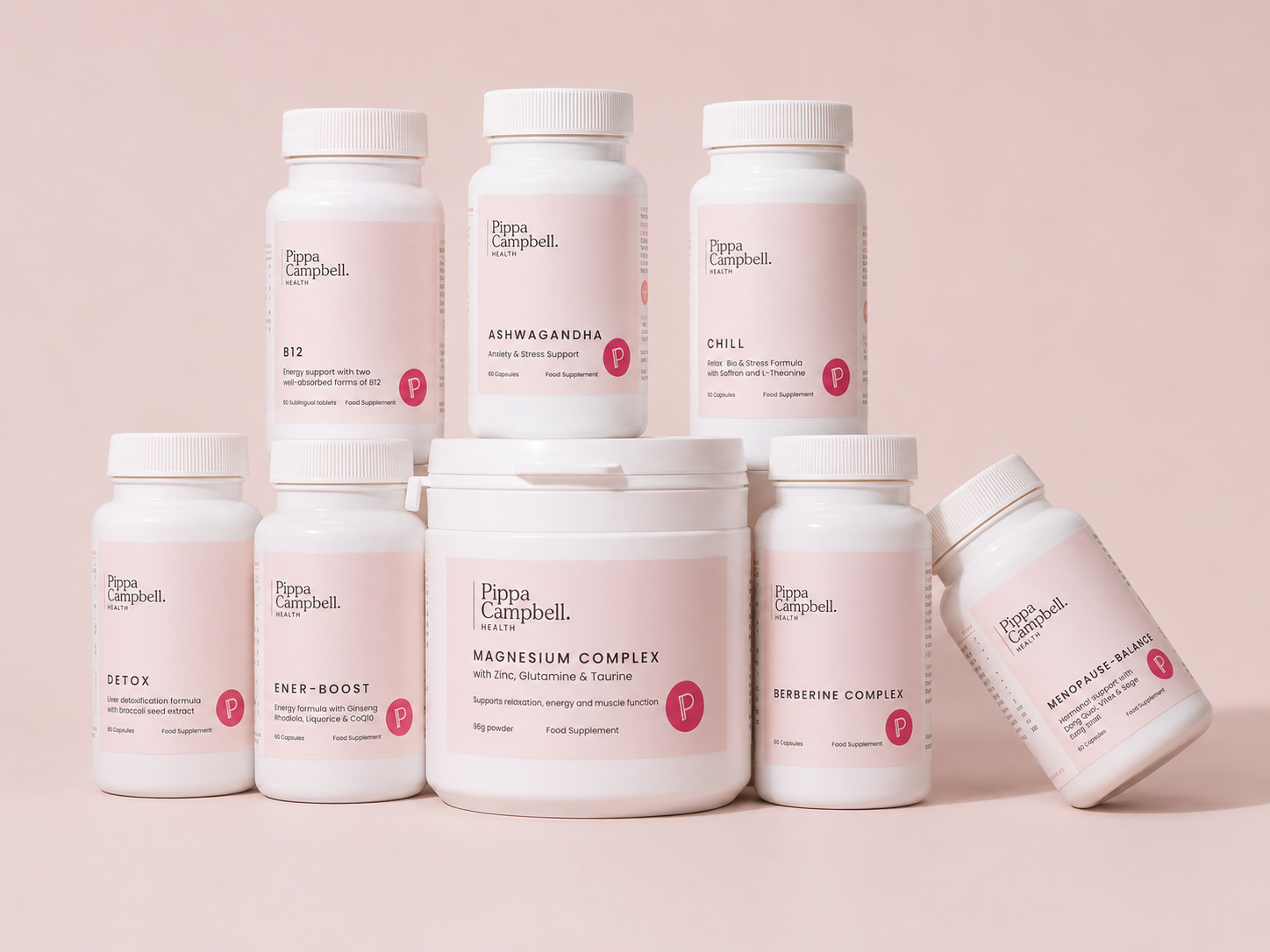
Consider taking PCH Detox which supports healthy hormone clearance by nourishing your liver’s Phase 1 and Phase 2 pathways, now boosted with broccoli sprout–derived sulforaphane for improved oestrogen metabolism and antioxidant support.
To find out more information on the Dutch Packages we offer and to place an order please visit our website.