If you’re experiencing symptoms like irregular periods, unwanted facial hair, acne, thinning hair, weight gain, or difficulty getting pregnant, you may be dealing with Polycystic Ovary Syndrome (PCOS). Other common symptoms include mood swings, fatigue, and insulin resistance, which can make it harder to manage blood sugar levels. These symptoms can vary in intensity, but they all point to underlying hormonal imbalances.
Polycystic Ovary Syndrome is not a single condition but a collection of symptoms driven by various underlying factors. It is characterised by androgen excess (elevated male hormones) and irregular menstrual cycles. To manage PCOS effectively, it’s essential to identify which type of PCOS you have and address the root cause.
What is PCOS?
You may have seen the news: PCOS has officially been renamed PMOS (polyendocrine metabolic ovarian syndrome), a change that better reflects what this condition actually is: a complex hormonal and metabolic disorder, not simply a problem with ovarian cysts. You’ll still see it referred to as PCOS throughout this blog while the new name becomes established.
PCOS is diagnosed based on androgen excess, regardless of the presence of ovarian cysts. The “cysts” seen on ultrasound are often just follicles, which are part of normal ovarian function. The condition occurs when there is an imbalance in hormones, with excess androgens being the key marker.
The 4 Types of PCOS
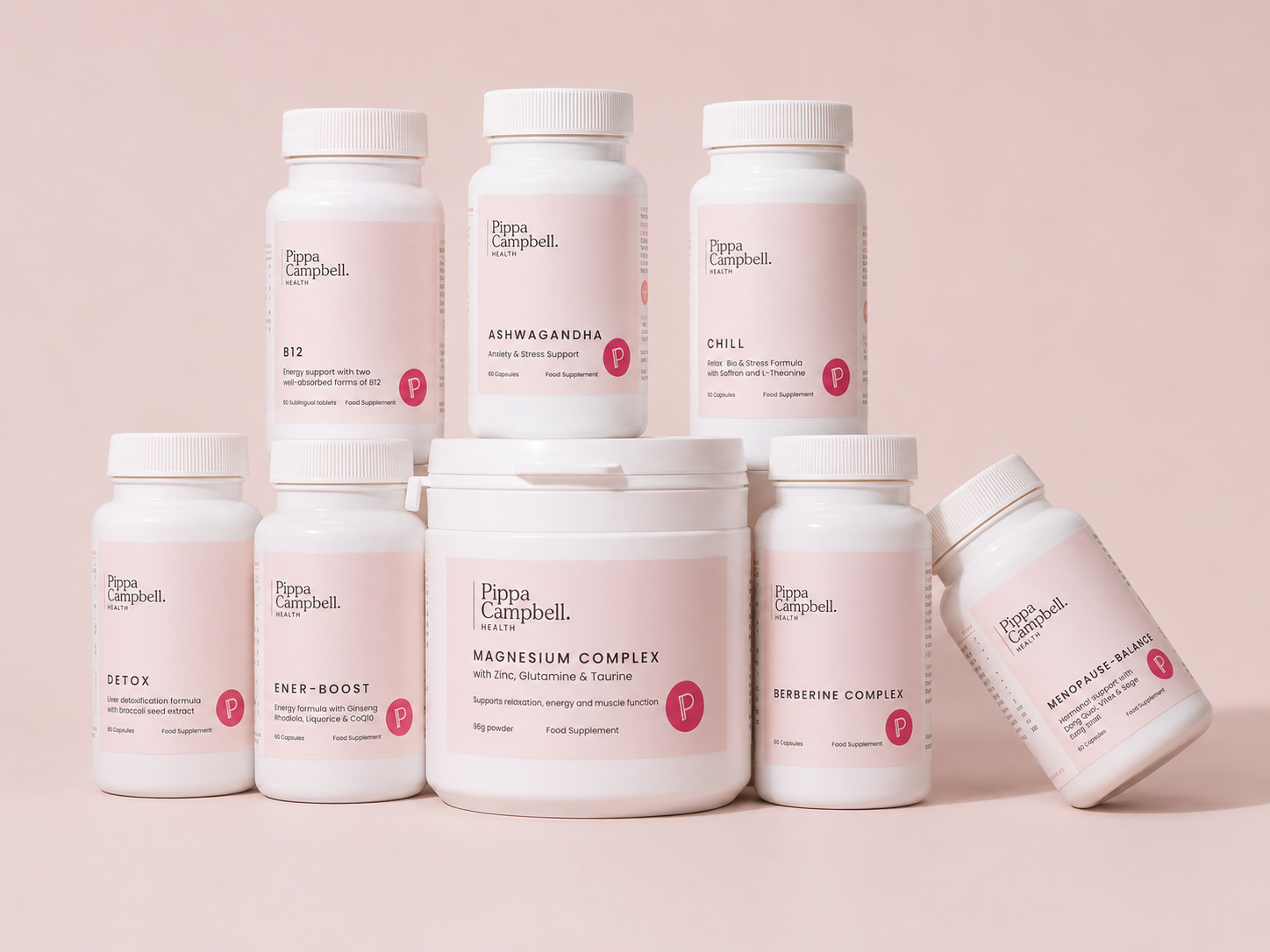
- Insulin-Resistant PCOS: The most common form of PCOS, where high insulin levels are driving high androgen production. Supplements like Meta-Boost, berberine (take for max 8 weeks) and inositol can be helpful in reducing insulin resistance, which, in turn, helps lower androgen levels.
- Post-Pill PCOS: This type occurs after coming off hormonal birth control pills, particularly those with anti-androgenic properties. Symptoms can be temporary, but supplements such as Detox may help to support hormone detoxification at this time.
- Inflammatory PCOS: Chronic inflammation can lead to increased testosterone production. To address this, consider anti-inflammatory supplements like Curcumin, and glutathione (as found in Detox), which can help reduce inflammation and balance hormones.
- Adrenal PCOS: This type involves excess androgens produced by the adrenal glands, often seen in elevated DHEAS levels. Magnesium (try Magnesium Complex), liquorice root (as found in Ener-Boost), and adaptogens like ashwagandha (try Ashwagandha) can help support adrenal function.
Conclusion
Managing PCOS requires a comprehensive approach tailored to the specific type of PCOS you have. By understanding the underlying causes, whether it’s insulin resistance, inflammation, adrenal imbalances, or post-pill hormonal changes, you can take targeted steps to reduce symptoms and restore hormonal balance. Incorporating the right supplements, managing blood sugar levels, reducing inflammation, and supporting adrenal health are all vital components of an effective treatment plan. With the right guidance and lifestyle adjustments, you can manage PCOS and regain control of your health and well-being.
Recommendations:
Dutch Test
Understanding your type of PCOS is essential for creating an effective treatment plan. A DUTCH test (Dried Urine Test for Comprehensive Hormones) can help assess hormone levels and identify the root cause of your symptoms.
Diet & Supplements
Diet: Focus on a balanced diet rich in whole, nutrient-dense foods. Include plenty of fibre-rich vegetables (like leafy greens and cruciferous veggies), healthy fats (such as avocado, nuts, and olive oil), and lean proteins (like chicken, fish, and legumes). Incorporating low-glycemic index foods, such as quinoa, sweet potatoes, and berries, can help regulate blood sugar levels. Adding omega-3 rich foods, like flaxseeds and chia seeds, can also help reduce inflammation and support hormone balance. These foods can help manage insulin levels, reduce inflammation, and improve overall health for those with PCOS.
Supplements: See above all the supplements recommended to support PCOS symptoms.
Book
For more detailed insights on managing hormones, check out my book Eat Right, Balance Hormones.
Always seek guidance from a healthcare professional for personalised treatment.