Have you ever heard of adenomyosis? Unless you have been diagnosed with this common condition, there is a good chance that you are not familiar with it. Adenomyosis affects one in ten women and is one of the less well-known causes of pelvic pain, heavy bleeding, and discomfort.
What Is Adenomyosis?
Adenomyosis is a condition that many women may not realise they have, often mistaking symptoms such as painful or heavy periods for something else. This condition occurs when the endometrium grows into the muscle layer of the uterus, and during menstruation, microscopic bleeds in this tissue can cause pain due to fluctuations in hormones like oestrogen and progesterone. It’s important to note that adenomyosis is different from endometriosis, which occurs when similar tissue to that which lines the uterus grows in other parts of the body, typically in the pelvic cavity.
Despite the difference in conditions, the symptoms of adenomyosis can be similar to those experienced with endometriosis.
Some common signs and symptoms are:
-
pelvic pain and intense cramping
-
pain during or after bowel motions
-
heavy bleeding (clots in period blood)
-
lower back pain
-
fatigue
-
bloating
-
pain during intercourse
-
bleeding between periods
Adenomyosis Is Not The Same As Endometriosis
Many women may experience both endometriosis and adenomyosis, but it is essential to understand that these are not the same conditions even though they share similar symptoms. Endometriosis involves the formation of gland-like tissue lesions outside the uterus, primarily in the peritoneum – the lining that encompasses all pelvic and abdominal organs such as the liver and kidneys.
Adenomyosis is a condition of the uterus, characterised by the intrusion of the uterine lining into the uterine muscle. This condition is confined to the pelvis. Although a hysterectomy can cure adenomyosis, it may not alleviate the pain associated with endometriosis, as many individuals suffer from both conditions simultaneously.
What Causes Adenomysosis?
If you receive a diagnosis for a particular condition, it’s common to want to understand the root cause. However, the exact reason why uterus-lining cells infiltrate the muscle wall is still unknown. Nevertheless, there have been instances reported where this occurs, such as after childbirth, during surgery, and in the early stages of fetal development.
Adenomyosis Can Start From Your First Period
Many people mistake the symptoms of adenomyosis for a heavy period, but if painful periods are interfering with your daily life, it’s important to get them checked out. Unfortunately, these symptoms are often overlooked, leading to delayed diagnosis that can take years.
It’s a myth that adenomyosis only affects women in their 30s or 40s; it can actually present from your very first period. If you’ve been diagnosed with endometriosis, it’s recommended that you also get checked for adenomyosis. There are two ways to diagnose this condition: transvaginal ultrasound, where a specialist inserts an ultrasound probe into the vagina to examine the pelvic organs, and pelvic MRI, which can help confirm the diagnosis and rule out other conditions.
How To Treat And Manage Adenomysosis
The age of a person is an important factor when it comes to managing and treating adenomyosis. This condition typically improves as menopause approaches and hormone levels begin to change. Treatment methods may vary depending on the individual, and surgery is not always necessary.
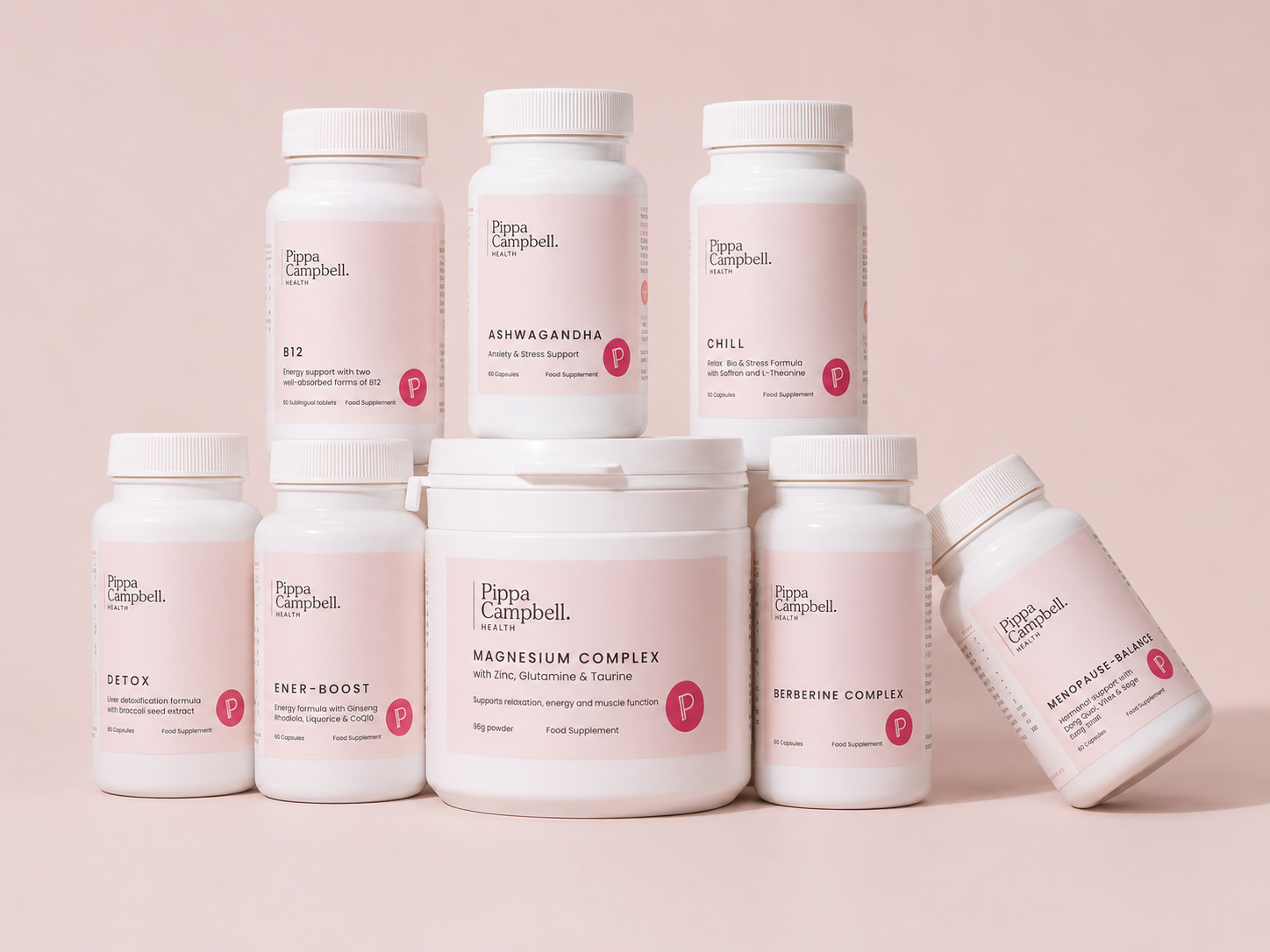
Natural methods such as maintaining a healthy diet, regular exercise, and using a hot water bottle or taking warm baths can be effective. Additionally, non-hormonal medications like anti-inflammatory painkillers may be recommended. Taking a magnesium supplement can help with processing oestrogen and reducing cramps. Try 1 scoop of my Magnesium Complex daily to ease symptoms. In some cases, doctors or gynaecologists may prescribe hormone treatment or an IUD like Mirena. However, if other treatment methods are not effective, a hysterectomy may be recommended.
Excess Oestrogen
Heavy and painful periods with blood clots can be caused by excess oestrogen, also known as oestrogen dominance. If the tissue in the uterus reacts similarly to oestrogen, then excess oestrogen can become problematic. You can read more about oestrogen dominance in my book ‘Eat Right, Lose Weight’ where I include a list of useful foods to help reduce oestrogen levels.
To manage adenomyosis, it is important to support the natural process of creating beneficial oestrogen metabolites in the liver and flushing them out through the bowels and urine.
This can be accomplished by drinking plenty of water, avoiding environmental toxins that disrupt hormones, following a hormone-balancing diet, and taking an oestrogen balancing supplement like my Balance supplement which is a perimenopause and menopause formula with an optimal combination of nutrients and herbs to help support the needs of women experiencing hormonal imbalances.
What To Do If You Think You May Have Adenomyosis
If you think you may have adenomysosis it is worth consulting with your GP. You can book a one-to-one consultation with a PCH practitioner who can help you explore your root cause and create a custom treatment plan for you. We offer a 360-degree holistic approach to women’s healthcare and specialise in managing and treating conditions like adenomyosis, endometriosis, pelvic pain, painful periods and heavy menstrual bleeding.