Fibre plays a key role in how the body clears cholesterol and hormones. It binds to bile in the gut so it can be removed from the body. If that process is not working efficiently, bile can be reabsorbed, which affects cholesterol levels and how hormones like oestrogen are cleared.
At Pippa Campbell Health, what we often see is that cholesterol itself is not the starting point. It is a reflection of how well the body is processing and clearing it.
The signs your body may need more fibre
When fibre intake is low, the effects are not limited to digestion. It tends to show up across multiple systems, which is why many women don’t immediately connect the symptoms they are experiencing back to this.
In clinic, these are the signs we look for:
- Constipation or incomplete bowel movements
- Bloating, gas or uncomfortable digestion
- Feeling hungry again not long after eating
- Energy dips between meals, often with irritability or shakiness
- PMS, acne or signs of oestrogen imbalance
- Skin changes such as breakouts or a loss of clarity
- Difficulty losing weight, particularly around the middle
- Raised cholesterol levels alongside other metabolic markers
- That familiar mid-afternoon drop in energy
- Poor gut health, frequent illness, food sensitivities or IBS symptoms
When these symptoms sit together, they are connected. They are your body showing you that something is not working as efficiently as it should.
How cholesterol is cleared from the body
To understand why this happens, you need to understand how cholesterol leaves the body.
Cholesterol is packaged into bile by the liver, stored in the gallbladder and released into the gut. From there, it should be carried out of the body. For that to happen efficiently, fibre needs to be present.
Fibre binds to bile in the gut and supports its removal. When this process is working well, cholesterol is cleared as part of that pathway. When fibre intake is low, that process becomes less effective, and instead of being removed, bile can be reabsorbed and reused. When that happens, cholesterol is re-circulated rather than cleared.
This is why simply focusing on cholesterol levels without looking at digestion and fibre intake often misses what is actually going on.
Why this matters for your hormones
This pathway does not just affect cholesterol. It is also responsible for clearing used hormones, particularly oestrogen.
When fibre intake is low and bile is being recycled, hormones can remain in circulation for longer than they should. This is when symptoms such as PMS, breast tenderness, skin changes and weight gain around the middle start to persist.
When you see cholesterol changes alongside hormonal symptoms, they are often connected through this same pathway.
What we look for in clinic
We don’t look at cholesterol on its own. We look at what is happening around it and how the body is processing it.
When we see it alongside raised triglycerides, insulin resistance or signs of sluggish bile flow or gallbladder function, it tells us we are looking at a clearance issue rather than a production issue. That distinction matters, because it changes how we approach it.
We will also consider thyroid function here. When thyroid function is low, it can affect how cholesterol is metabolised and cleared, which is why it is important to look at this in context.
This is how we work using the Pippa Campbell Method, bringing together digestion, bile flow, thyroid function and fibre intake to understand what is driving symptoms.
Before removing foods or becoming overly focused on fats, we always look at how well digestion is working, how effectively bile is being produced and released, and whether fibre intake is sufficient to support proper clearance.
For most women, aiming for around 25–30 grams of fibre per day is a sensible starting point, with a focus on vegetables, seeds, nuts and whole foods.
This is usually where we begin, because when we improve fibre intake and support digestion, we start to see changes not just in cholesterol markers, but in energy, appetite and hormonal symptoms as well.
Easy ways to increase your fibre intake
Increasing fibre does not need to mean overhauling your entire diet. In most cases, it is about making simple, consistent changes that support your body across the day.
These are some of the easiest ways to begin:
- Add flax or chia seeds to breakfast – This is one of the simplest places to start. Just one tablespoon added to yoghurt, porridge or a smoothie can make a meaningful difference to your overall fibre intake.
- Include beans, lentils or chickpeas in your meals – These are excellent sources of fibre and can be easily added to salads, soups or main meals to support both digestion and satiety.
- Fill half your plate with vegetables – This is a simple way to increase fibre without needing to track or calculate. A variety of vegetables also supports gut health more broadly.
- Choose whole grains such as oats or quinoa – Where appropriate, swapping more refined carbohydrates for whole grain options can help increase fibre while also supporting more stable energy levels.
- Include fibre-rich fruits like berries or apples – These are easy to incorporate and provide both fibre and nutrients that support overall health.
- Avoid peeling vegetables where possible – The skins often contain valuable fibre, so keeping them on where appropriate helps maximise your intake without adding extra steps.
When fibre intake increases consistently, you are not just supporting digestion. You are supporting how your body regulates appetite, stabilises energy and clears what it no longer needs.
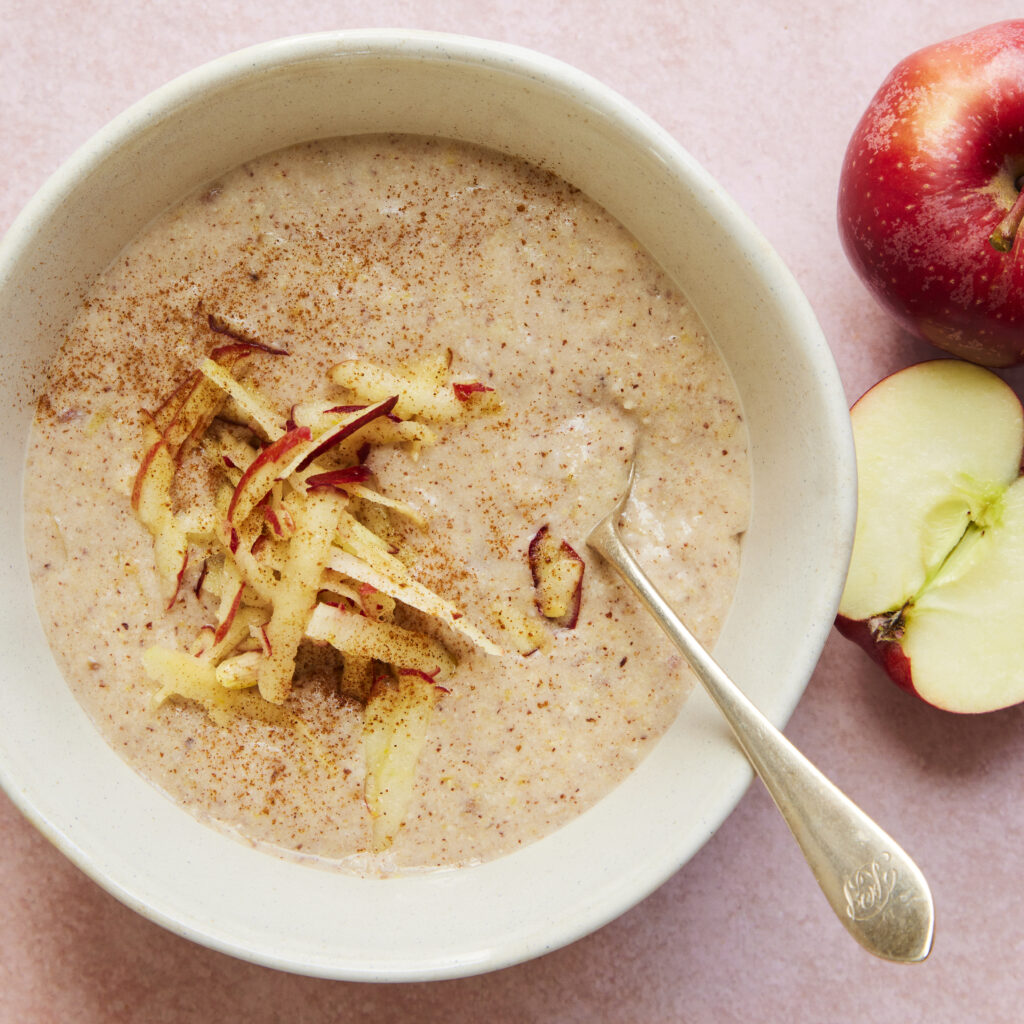
A great high-fibre breakfast option is my flaxseed porridge with apple and coconut. It combines seeds, whole foods and healthy fats to support digestion, blood sugar balance and appetite across the morning.
You can find the full recipe here.
When you need more support
For some women, increasing fibre through food is enough to shift things. For others, particularly where digestion is sluggish or symptoms have been present for a long time, more targeted support is needed.
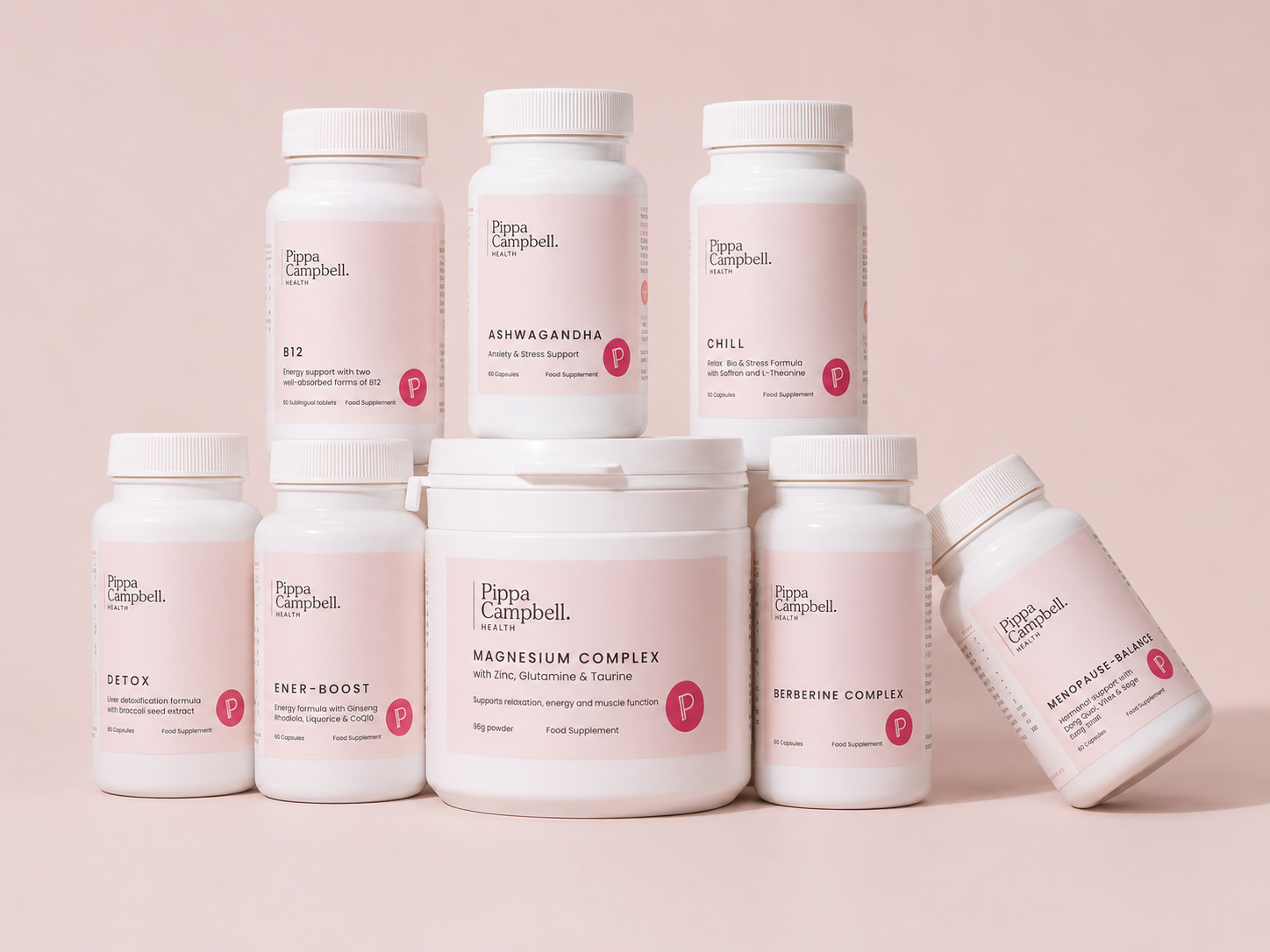
This is where I would recommend my PCH Gut Repair. It is designed to support gut function, improve how bile is processed and cleared, and provide specific fibres such as psyllium husk and citrus pectin, which help bind and remove what the body no longer needs.
The reason this matters is that when this pathway is supported properly, you are not just improving digestion. You are supporting how your body clears cholesterol and hormones, which is why we often see improvements in energy, appetite and hormonal symptoms alongside cholesterol markers.
What this means for you
When you understand how cholesterol is processed in the body, you stop focusing on the number and start focusing on what is driving it.
Your body is responding to what it has available and how well it is able to process and clear it.
This is common, but it is not something you have to live with. There is a clear and practical way forward, and for many women, it starts with supporting fibre intake.
If you are recognising yourself in these symptoms and want to understand what is driving this for you, this is something we help women with. You can book a discovery consultation with a PCH practitioner who will advise you, based on your signs and symptoms, on what to do next.
References:
https://pmc.ncbi.nlm.nih.gov/articles/PMC3257631
https://pubmed.ncbi.nlm.nih.gov/9925120