Attention Deficit Hyperactivity Disorder (ADHD) is often thought of as a childhood condition, but it’s something that affects many people well into adulthood. For women, ADHD can be overlooked or misdiagnosed, especially as they enter perimenopause and menopause when hormonal shifts can amplify ADHD symptoms. Understanding the connection between ADHD and menopause can be crucial for women experiencing concentration, memory, or emotional challenges during this stage of life.
ADHD in Women: An Overlooked Diagnosis
ADHD in women is often misdiagnosed or goes unnoticed, as it presents differently than in men. Women are more likely to experience inattentive symptoms, such as difficulty concentrating or forgetfulness, rather than hyperactive or impulsive behaviours. These symptoms may be mistaken for anxiety or stress—especially during the hormonal changes that accompany perimenopause and menopause.
As women transition into menopause, the drop in oestrogen levels can worsen ADHD symptoms. Oestrogen is known to support neurotransmitter function and brain health, and its decline can result in increased difficulty with focus, memory, and emotional regulation. Hot flushes, night sweats, and mood swings can add to the cognitive strain, making life feel more overwhelming.
How Menopause Impacts ADHD Symptoms
For women with ADHD, menopause can intensify many of their symptoms:
- Forgetfulness: Struggling to recall tasks, appointments, or where you’ve placed items.
- Mental Fog: Finding it harder to concentrate or make decisions, sometimes described as “brain fog.”
- Emotional Sensitivity: Feeling more irritable or emotionally reactive than usual.
- Fatigue: Physical exhaustion that worsens ADHD-related energy dips.
- Increased Anxiety: Anxiety levels can rise due to hormonal fluctuations, exacerbating restlessness and tension.
Acknowledging that these changes may be linked to both ADHD and menopause can help you make informed decisions about treatment and lifestyle changes.
Practical Steps for Managing ADHD Symptoms During Menopause
Managing ADHD during menopause requires addressing both hormone changes and the cognitive challenges of ADHD. Here are some practical steps to consider:
1. Seek Diagnosis or Reassessment
If you suspect ADHD may be influencing your symptoms, getting a diagnosis is crucial. ADHD is often underdiagnosed in women, particularly later in life. If you’ve already been diagnosed, this could be a good time to reassess your treatment with a healthcare provider who understands both ADHD and menopause.
2. Consider Hormone Replacement Therapy (HRT)
HRT can help stabilise oestrogen levels, which in turn can improve brain function, reduce brain fog, and balance mood. Many women with ADHD report feeling more in control after starting HRT. However, the decision to use HRT should be discussed with your doctor, as they can guide you on the benefits and potential risks.
3. Introduce Key Supplements
In addition to lifestyle changes, certain supplements can help ease symptoms of both ADHD and menopause:
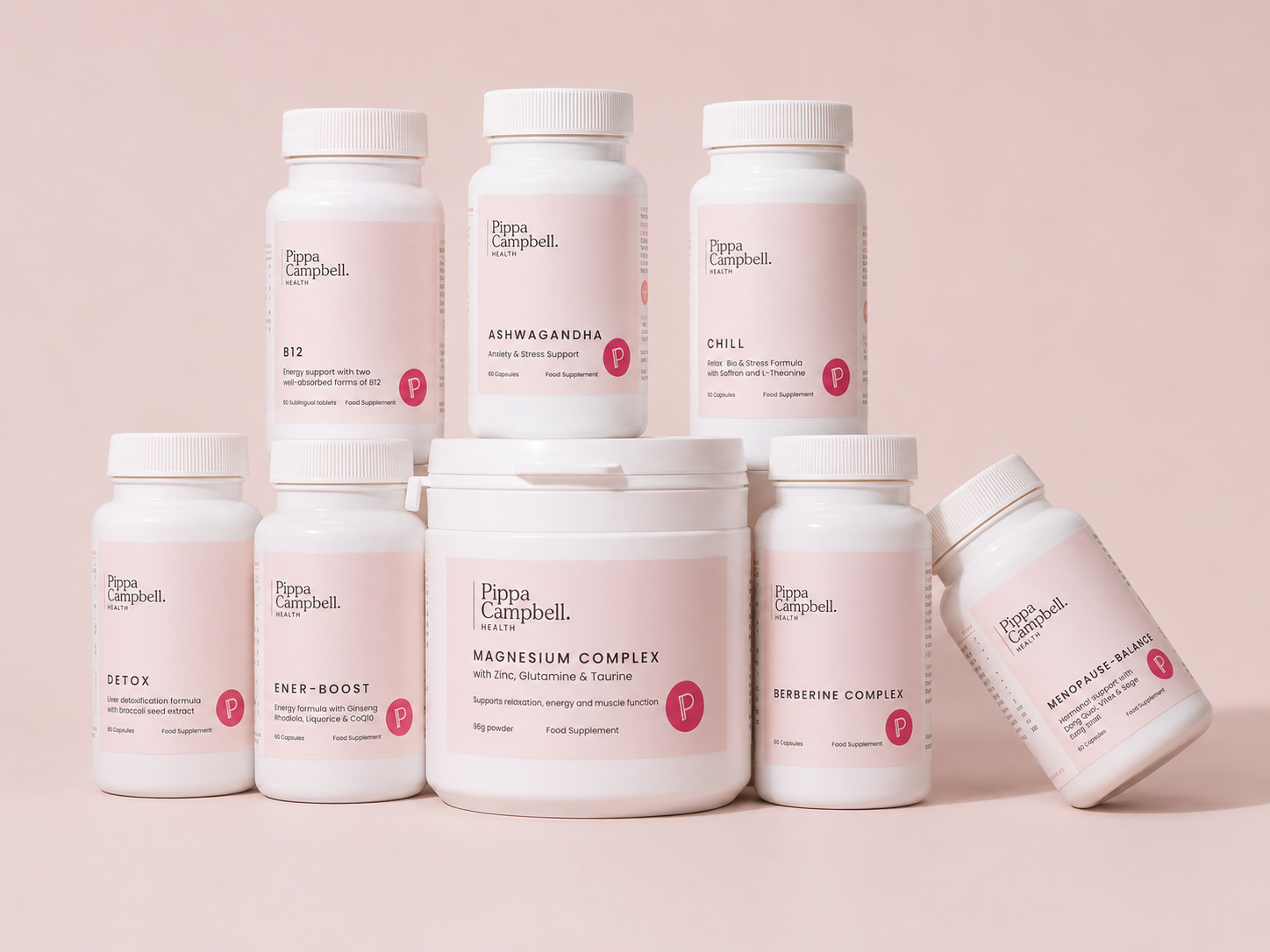
- Magnesium: Known for its calming effects, magnesium helps regulate mood, supports sleep, and reduces anxiety. Magnesium bisglycinate is often recommended for its ability to be absorbed effectively. Consider taking PCH Magnesium Complex which contains 3 key forms of magnesium needed for optimal health.
- Omega-3 Fatty Acids: Found in fish oil supplements, omega-3s support brain health, improve focus, and stabilise mood—helpful for both ADHD and managing menopause-related emotional fluctuations. Take PCH Krill (Omega-3 Complex) which contains natural levels of EPA and DHA, the DHA contributes to the maintenance of normal brain function.
- B Vitamins: B6 and B12 play essential roles in brain function and mood regulation, which can help combat ADHD-related fatigue and emotional imbalances. Take PCH B Complex which contains each of the 8 Vitamin B’s that your body needs for all round health.
- Ashwagandha: An adaptogen that helps balance stress hormones like cortisol, ashwagandha may improve energy levels and support cognitive function during menopause. Supplement with PCH Ashwagandha.
- Pippa Campbell Health’s Peri-Balance formula is designed to support women during perimenopause, addressing common hormonal imbalances that can worsen ADHD symptoms during this phase. The hormonal fluctuations of perimenopause, particularly drops in oestrogen, can amplify cognitive symptoms like inattention, memory issues, and difficulty focusing—common challenges for those with ADHD. Peri-Balance includes ingredients such as Shatavari root, maca root, and sage, which are known for their hormone-balancing properties. These help to alleviate peri and menopausal symptoms and may indirectly support cognitive function by stabilising hormonal levels and reducing inflammation.
4. Optimise Your Diet
Supporting your brain and body with nutrient-rich foods can help balance hormones and improve cognitive health. Focus on an anti-inflammatory diet rich in leafy greens, fatty fish, nuts, seeds, and berries. Omega-3s, magnesium, zinc, and B vitamins are especially beneficial for managing ADHD and boosting energy levels during menopause.
5. Regular Physical Activity
Exercise increases dopamine levels in the brain, which improves focus and mood. Moderate physical activity also boosts energy levels and promotes better sleep—both of which are often disrupted during menopause.
6. Prioritise Sleep
Sleep is essential for managing both ADHD and menopause symptoms. Set up a calming bedtime routine, avoid screens before bed, and consider natural supplements like magnesium or melatonin to help regulate sleep patterns.
7. Practice Stress-Reduction Techniques
Stress can worsen ADHD and menopause symptoms. Mindfulness techniques like meditation or yoga can help calm an overactive mind, improving focus and reducing emotional reactivity.
Seeking a Diagnosis and How Treatment Can Help
If you suspect that hormonal changes are exacerbating ADHD symptoms, seeking a formal diagnosis is an important step. With the right diagnosis, healthcare providers can offer targeted treatments such as:
- ADHD Medications: Stimulants and non-stimulants can help improve focus and attention while reducing impulsivity. If you’re diagnosed later in life, medication could be a valuable tool in managing symptoms that worsen with menopause.
- Cognitive Behavioural Therapy (CBT): CBT is an effective treatment for managing ADHD-related challenges like time management, emotional dysregulation, and organisation.
- Hormone Support: Combining hormone treatments like HRT with ADHD medications and lifestyle interventions can help alleviate many symptoms experienced during menopause.
Conclusion: Managing ADHD and Menopause
The combination of ADHD and menopause can make life feel more challenging, but understanding this connection empowers you to take action. Whether through lifestyle changes, medical treatments, or supplements, you can manage these two life stages more easily.
At Pippa Campbell Health, we specialise in personalised care that supports both hormonal balance and cognitive health. Our practitioners are here to help you explore options like the DUTCH hormone test or targeted genetic testing to help you understand your body’s needs better.
This blog is for informational purposes only and not a substitute for medical advice. Always consult with your healthcare provider.