If you are always catching every bug going around, taking weeks to recover or becoming ill again before you have completely recovered, your immune system may need more support.
Vitamin C, vitamin D, vitamin A, zinc and beta-glucans all have important roles in immunity. But immune function is also affected by your gut, thyroid, cortisol, sleep, blood sugar and whether you are eating enough protein and other essential nutrients.
In my years of practice, I have seen so many women who go from one cold, sinus infection or chest infection to another. Some struggle with recurrent thrush, urinary infections or cold sores. Others have eczema, hives, rhinitis or allergies because their immune system is reacting too strongly. Then there are women with an autoimmune condition such as Hashimoto’s, where the immune system has started attacking the body’s own tissue.
All of these involve the immune system, but they are not the same problem. The immune response may be too weak, too reactive or directed at the wrong target.
What your immune system does
Your immune system is your defence and repair system. It protects you from viruses, bacteria, fungi and other threats while helping you recover from illness and heal damaged tissue.
Your skin, stomach acid, gut lining and the mucus membranes lining your nose, lungs and urinary tract form the first layer of protection. They help to stop infections from entering the body.
If something gets through, the immune system produces inflammation and sends immune cells to the area. It also makes antibodies and remembers infections it has encountered before, helping it to respond more quickly if it meets them again.
The immune system also needs to know when not to react. It should tolerate food, beneficial gut bacteria and the body’s own cells. When this regulation goes wrong, we can see allergies, food reactions, chronic inflammation and autoimmune disease.
Is your immune system under-active, over-active or misguided?
An under-active immune response may mean you catch every infection going around, take longer than everyone else to recover or never feel completely well before the next illness arrives.
An over-reactive immune response may be involved in hay fever, rhinitis, hives, eczema and reactions to foods. The immune system is reacting too strongly to something that is not normally dangerous.
Autoimmunity is when the immune system mistakenly attacks the body’s own tissue. In Hashimoto’s it attacks the thyroid. In coeliac disease it attacks the lining of the small intestine after gluten is eaten. In rheumatoid arthritis it attacks tissues in and around the joints.
This is why I don’t like the term “immune boosting”. If the immune system is already over-reacting or attacking your own tissue, we don’t want to keep pushing it harder. We want to support normal immune regulation, so it responds when there is a threat and calms down again afterwards.
My Vitamin C Complex and D3 Vegan Complex are the two supplements I recommend for everyday immune support.
My Vitamin C Complex provides vitamin C and zinc for normal immune-cell function, alongside copper and beta-glucans. Beta-glucans help immune cells recognise and respond to a threat while also supporting a more balanced immune response.They are not there to keep stimulating an immune system that is already over-reactive.
This is also why the formula can be used when autoimmunity is involved. It supports immune regulation rather than indiscriminately “boosting” immune activity.
My D3 Vegan Complex provides vitamin D3 with vitamins A and K2. Vitamin D helps immune cells respond to infection and regulate inflammation afterwards. This regulation is particularly important in autoimmune disease, where the immune system is reacting against the body’s own tissue. Vitamin A supports the protective lining of the nose, lungs and gut, where many infections first enter the body.
Signs your immune system may need support
- Repeated colds, sinus infections or chest infections
- Recurrent urinary infections
- Taking weeks to recover from illness
- Fatigue that continues after an infection
- Recurrent cold sores, thrush or fungal infections
- Cuts or wounds that are slow to heal
- Swollen glands that keep returning
- Hay fever, rhinitis, hives or eczema
- Joint pain, stiffness or other inflammatory symptoms
- Digestive problems alongside reactions to foods
- A diagnosed autoimmune condition
- A strong family history of autoimmunity
- Thyroid symptoms despite being told your TSH is normal
These symptoms can have other causes. Repeated or severe infections, persistent fever, unexplained weight loss, enlarged lymph nodes, shortness of breath or wounds that won’t heal need medical assessment.
The gut and immune connection
A large amount of immune tissue is found in and around the gut. Every day, your gut has to decide what is safe, including food and beneficial bacteria, and what needs an immune response.
Your gut bacteria also form part of your defence against infection. A healthy microbiome needs a wide variety of beneficial bacteria, which is why eating a diverse range of plant foods is important for immunity.
Stress, antibiotics, infections, poor digestion, a restricted diet and not eating enough fibre can change the microbiome. This can increase inflammation and affect the gut lining, allowing food proteins, toxins and microbes to pass through more easily. The immune system then reacts to substances that should have remained inside the gut.
We see bloating, constipation, diarrhoea or food reactions alongside recurrent infections, eczema, joint pain or autoimmunity.
My Gut Complex contains probiotics alongside nutrients that soothe and support the gut lining. It also contains garlic for antimicrobial support, so it can be useful when poor gut health occurs alongside recurrent infections or inflammation. If digestive and immune symptoms continue, a Comprehensive Stool Test can assess digestion, beneficial bacteria, inflammation in the gut and possible infections.
Why stress can leave you catching every bug
Cortisol plays an important part in regulating immunity. When cortisol becomes dysregulated, whether it is too high, too low or being produced at the wrong times, you may become more likely to get ill and take longer to recover.
Stress isn’t only emotional. Poor sleep, under-eating, over-exercising, pain, illness, blood sugar fluctuations and trying to do too much without enough rest all place stress on the body.
High cortisol over a long period can suppress parts of the immune response. We also see women with low or flattened cortisol patterns who feel exhausted, recover badly and catch one infection after another.
This can be the woman who holds everything together through a demanding month and then becomes ill as soon as she stops. She finishes work for Christmas or arrives on holiday and suddenly develops a cold, sore throat or chest infection. The stress has kept her going while placing increasing pressure on her immune system.
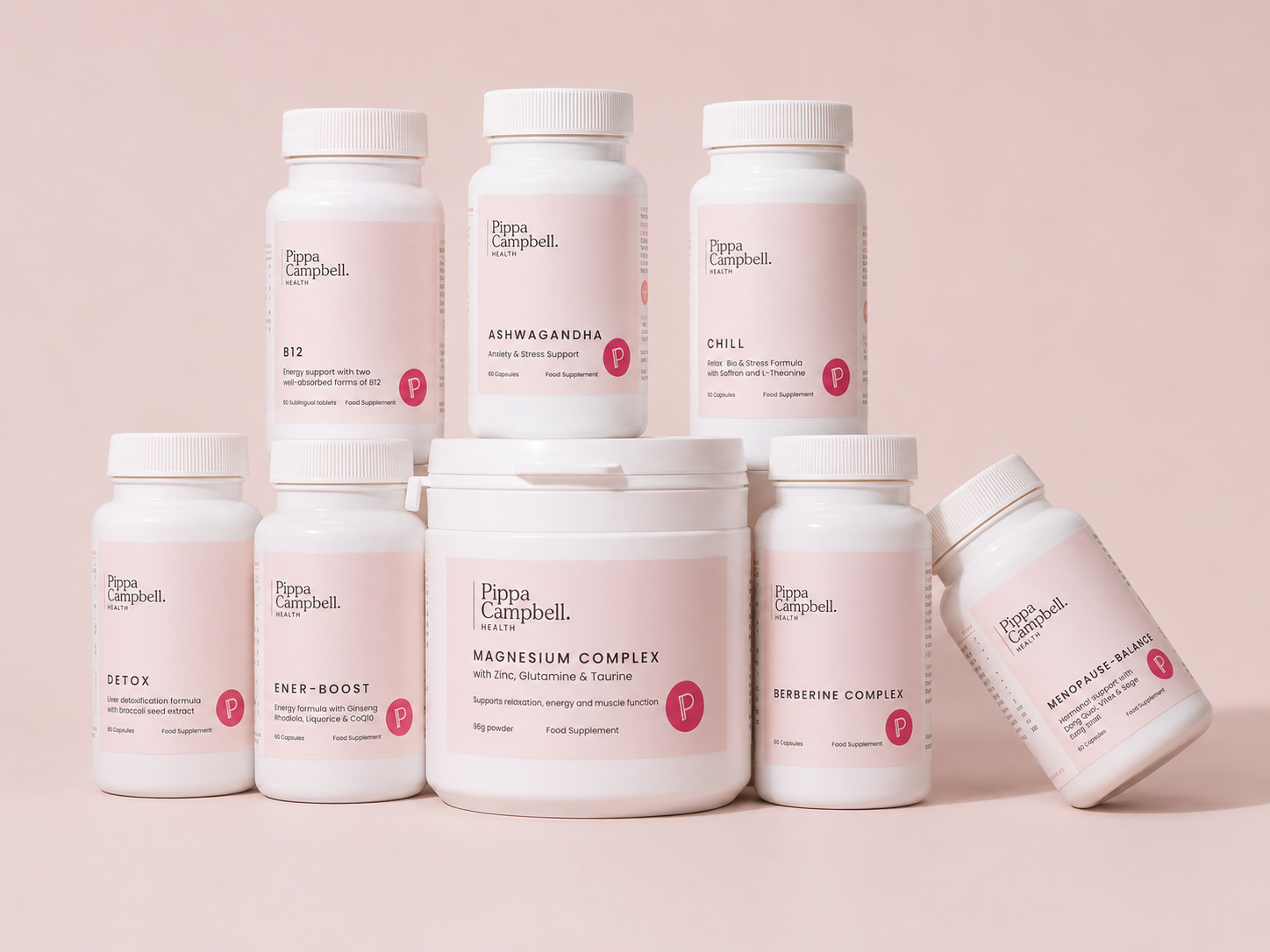
Chill can support the woman who feels wired, anxious and unable to switch off. Energise supports energy production and adrenal function when she feels flat, depleted and exhausted.
If you are exhausted but wired, waking during the night, struggling to recover from stress or becoming ill as soon as you stop, the DUTCH test allows us to measure your cortisol pattern throughout the day alongside DHEA and your sex hormones.
Autoimmunity and hashimotos
Hashimoto’s is the most common autoimmune thyroid condition and one we treat regularly in clinic. Instead of protecting the body, the immune system mistakenly attacks the thyroid. You can read more about Hashimoto’s and thyroid function in my thyroid blog.
Gluten, autoimmunity and food reactions
Gluten and cow’s dairy are two of the foods most likely to cause inflammation and digestive symptoms in women who react to them.
Gluten can stimulate immune activity and affect the gut lining. Molecular mimicry may also be involved. Some proteins in gluten can look similar to proteins in our own tissues. The immune system produces antibodies against gluten, but because the proteins look alike, those antibodies may also react with the body’s tissue. This is particularly relevant in autoimmune thyroid conditions such as Hashimoto’s.
In clinic, we remove gluten completely when autoimmunity or thyroid dysfunction is present. Having a little gluten occasionally can still stimulate an immune response, so cutting down is not the same as removing it.
Cow’s dairy can also contribute to digestive symptoms, congestion, skin problems and inflammation in women who react to it. Eggs may be relevant when eczema or other skin symptoms are also present.
A Food Sensitivity Test may be useful when symptoms suggest that particular foods are contributing to inflammation, but the results need to be considered alongside symptoms and gut health.
How perimenopause and menopause affect immunity
Oestrogen has a direct effect on the immune system. It influences the activity of immune cells, the production of antibodies and the amount of inflammation produced by the body.
During perimenopause, oestrogen can swing from very high to very low while progesterone begins to decline because ovulation is becoming less reliable. Progesterone usually has a calming effect on inflammation, so losing this balance can leave some women feeling more inflamed and reactive.
Women may notice more joint pain, skin reactions, allergies or autoimmune symptoms during perimenopause. Poor sleep and cortisol dysregulation can also affect the immune system and recovery from illness.
After menopause, oestrogen remains lower. This affects the protective mucus membranes lining the vagina, bladder, gut and airways. These tissues can become thinner and drier, making it easier for unwanted bacteria to take hold. This is one reason urinary and vaginal infections may become more common after menopause.
Lower oestrogen also changes immune-cell activity and can contribute to the increase in inflammation often seen after menopause.
Peri Menopause Balance provides nutritional and botanical support for women who are still cycling, while Menopause Balance is designed for women who have been without a period for 12 months.
What to eat for a healthy immune system
Protein
Immune cells, antibodies and tissue repair all require protein. Include fish, meat, poultry, eggs if tolerated, beans, lentils, tofu or tempeh, aiming for protein at every meal.
Vitamin C-rich foods
Red peppers, kiwi fruit, citrus fruit, berries, broccoli, Brussels sprouts and fresh herbs are useful sources.
Vitamin A and carotenoids
Liver is the richest food source of vitamin A. Oily fish and eggs also provide it. Carrots, sweet potato, butternut squash and spinach provide carotenoids that the body can convert into vitamin A.
Zinc and selenium
Shellfish, red meat, poultry, pumpkin seeds and chickpeas provide zinc. Fish, seafood, meat and two or three Brazil nuts provide selenium, which is also important for thyroid function.
Mushrooms
Shiitake and other mushrooms provide beta-glucans as well as B vitamins.
Fibre and prebiotic foods
Onions, garlic, leeks, asparagus, gluten-free oats, beans, lentils, nuts, seeds and a wide variety of vegetables feed beneficial gut bacteria.
Oily fish, olive oil, herbs and spices
Oily fish and extra virgin olive oil provide beneficial fats that help to regulate inflammation. Garlic, ginger, rosemary, oregano, cinnamon and turmeric provide additional plant compounds.
Fermented foods
Sauerkraut, kimchi, coconut kefir and coconut yoghurt can support the microbiome if tolerated. They may not suit a very reactive or bloated gut, particularly if histamine is involved.
What can weaken your immunity
- Not eating enough, particularly not eating enough protein
- Poor sleep or constantly changing sleep times
- High alcohol intake
- A diet dominated by ultra-processed foods and added sugar
- Over-exercising without enough food or recovery
- Long-term stress without proper rest
- Low vitamin D, iron, B12, folate, zinc or selenium
- Poorly controlled blood sugar
- Gut infections, poor digestion or an imbalance of gut bacteria
- Untreated thyroid dysfunction
- Some medicines, including corticosteroids and immunosuppressant medication
What I do at the first sign of a bug
If I feel a cold or bug coming on, there are three things I do straight away:
- Use a saline nasal rinse to help flush mucus and viral particles from the nasal passages. My favourite is the Xlear Nasal Spray in Pippa Loves.
- Double up on my By Pippa Campbell Vegan D3 Complex and Vitamin C Complex to give my immune system extra support.
- Make fresh ginger tea with lemon. Ginger contains compounds with anti-inflammatory properties, and it’s lovely and soothing when you feel something coming on.
Finding out why you keep getting ill
There isn’t one test that tells us whether the immune system is “good” or “bad”. We use symptoms and medical history alongside testing to look for factors that may be affecting it.
A Comprehensive Blood Panel can show whether white blood cells are low, high or out of balance. It can also measure inflammatory markers such as CRP, along with iron, B12, folate, vitamin D, blood sugar and markers of liver and thyroid function.
The DUTCH test can assess cortisol patterns, while a Comprehensive Stool Test may be more appropriate when recurrent infections or inflammation occur alongside digestive symptoms.
Whatever else is contributing to poor immunity, the immune system still needs the right nutrients to function and regulate itself. This is why my Vitamin C Complex and D3 Vegan Complex are the two supplements I recommend as the foundation for everyday immune support, including for women with over-reactive or autoimmune immune patterns.
If you keep catching every bug, take weeks to recover, have an autoimmune condition or have been told your results are normal when you still don’t feel well, book a Discovery Consultation. We can look at your symptoms and decide whether a Comprehensive Blood Panel, DUTCH test, Comprehensive Stool Test or Food Sensitivity Test would give us the information we need.
Want to understand what could be affecting your health?
Your symptoms can give you useful clues about what may need more support, from your thyroid and blood sugar to cortisol, hormones and digestion. Take my free Metabolic Type Quiz to discover your type and where to start.