Excess testosterone in women can lead to weight gain by promoting insulin resistance and fat storage, particularly in the abdomen. This imbalance is often seen in conditions like polycystic ovary syndrome (PCOS), during perimenopause, and with some forms of birth control.
PCOS and Weight Gain
In PCOS, elevated levels of androgens (testosterone-like hormones) disrupt insulin regulation, triggering higher insulin levels. This, in turn, stimulates the ovaries to produce even more testosterone, creating a damaging cycle of weight gain, acne, unwanted hair, irregular periods, and an increased risk of type 2 diabetes.
Birth Control and Testosterone
Some progestins in hormonal birth control, such as levonorgestrel, norethindrone, and etonogestrel, have an androgenic effect, which can worsen insulin resistance and lead to weight gain. These are commonly found in oral contraceptives, Nuvaring, Mirena IUD, and Nexplanon implants. While combined with synthetic oestrogen, the androgenic effects may be lessened, it’s still important to be aware of this risk.
Anti-Androgenic Progestins
Alternatively, anti-androgenic progestins like drospirenone, norgestimate, dienogest, and cyproterone can improve insulin sensitivity and even help with weight loss. However, discontinuing these can often result in rebound weight gain.
Perimenopause and Hormonal Shifts
During perimenopause, as progesterone and oestrogen decrease, androgen levels can temporarily rise. This leads to a state of too much androgen, where testosterone dominates in comparison to other hormones. This shift encourages fat redistribution, especially from the hips and thighs to the abdomen, leading to a thicker waist and upper body. (See blog on Insulin Resistance and Weight Gain)
Hormone Therapy
It’s crucial to be cautious with testosterone medication, as it can worsen insulin resistance if not properly managed.
Elevated testosterone levels can negatively impact blood sugar regulation, making insulin less effective and potentially contributing to weight gain or increased risk of developing type 2 diabetes. It’s crucial to monitor hormone levels and maintain a balance to avoid exacerbating insulin issues. Working with a healthcare professional is key to ensuring that hormone therapy is tailored to individual needs and does not interfere with metabolic health.
Conclusion
Balancing testosterone is essential for hormone health and weight management. In women, excess testosterone can lead to weight gain, insulin resistance, and hormonal imbalances, particularly in conditions like PCOS and perimenopause. Managing testosterone levels through lifestyle changes, proper nutrition and supplements can help regulate weight, improve insulin sensitivity, and support overall hormone balance.
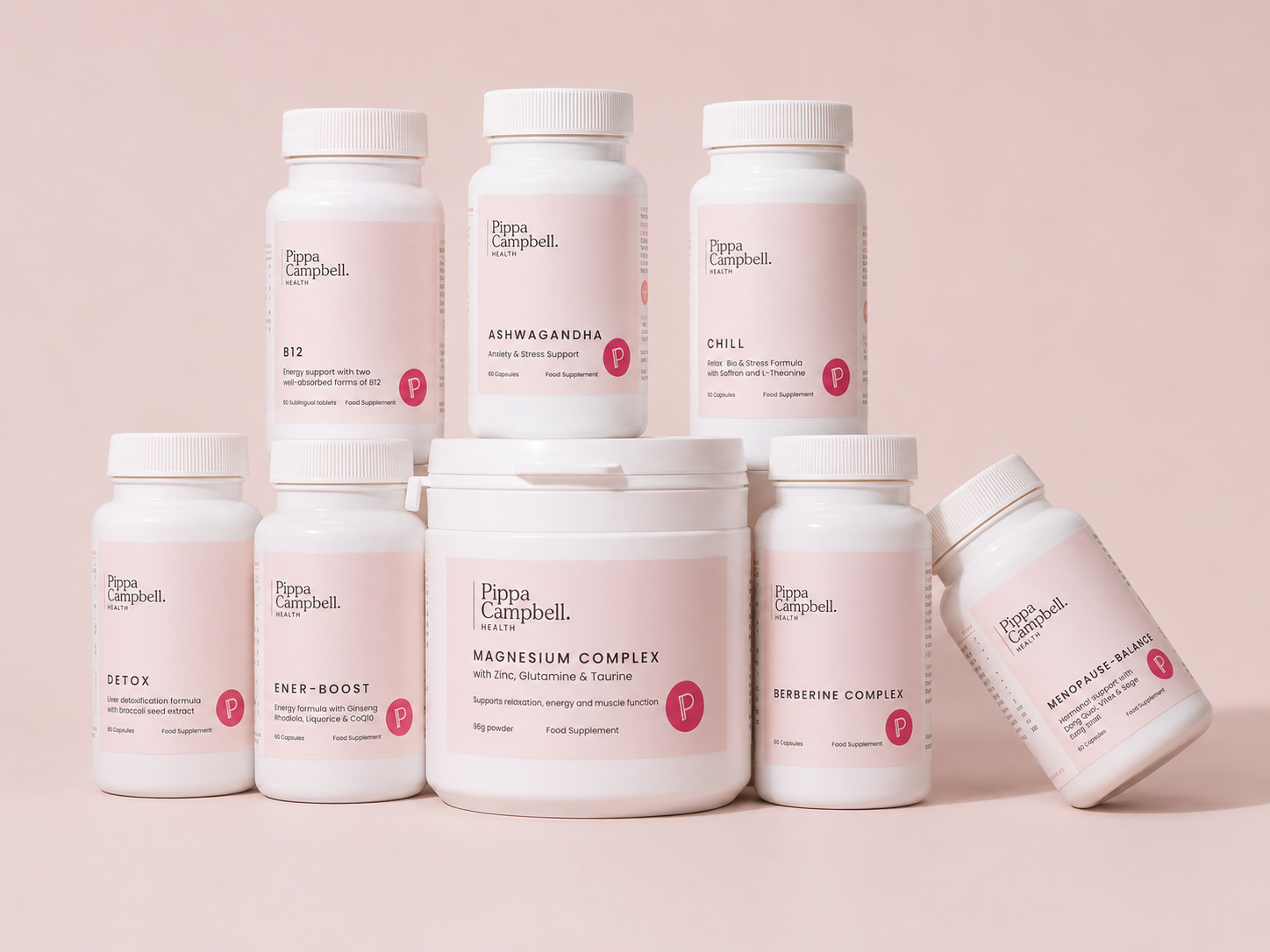
Detox supplement is formulated to support the body’s natural detoxification processes, particularly in the liver. The liver plays a crucial role in metabolising and clearing hormones, including testosterone. By enhancing liver function, this supplement may aid in the efficient clearance of excess testosterone.
Meta-Boost supplement is designed to enhance metabolism and support weight loss, which can be beneficial for individuals dealing with insulin resistance. Insulin resistance occurs when the body’s cells become less responsive to insulin, leading to elevated blood sugar levels and increased fat storage.
Berberine Complex combines three ingredients that target blood sugar stability from different angles: Berberine, one of the most studied botanical compounds for blood sugar regulation; Trans-Resveratrol for antioxidant and anti-inflammatory support; and Cinnamon, well researched for its role in insulin sensitivity. If you are on blood-thinning or diabetes medication, please consult your practitioner before taking Berberine.
The DUTCH test includes testing for testosterone, as well as other hormones such as oestrogen, progesterone, DHEA-S, cortisol, and melatonin. It provides a detailed hormone balance and metabolism assessment to help identify imbalances and health concerns.
For more detailed insights on managing hormones, check out my book Eat Right, Balance Hormones.