There is no magic food or “super food” that can make menopause symptoms go away overnight. However, there are some foods, or groups of foods, that can help improve your overall health and well-being if incorporated into your diet.
Phytoestrogen-Rich Foods
A diet rich in phytoestrogens can help reduce menopause symptoms and the likelihood that a woman will get osteoporosis. Phytoestrogens are compounds found in plants that act like oestrogen in the human body. Foods rich in phytoestrogens include soy, liquorice flaxseeds and a variety of fruits, vegetables, and legumes.
Olive Oil
Olive oil is one of the best oils to consume as it is heart-healthy with little to no saturated or trans fats. It is the most researched oil and forms a major part of the Mediterranean diet.
Olive oil can be used to make a homemade salad dressing and drizzling onto food, and it is also good for low-heat frying, sautéing, and roasting. Always buy extra virgin olive oil. Other healthy cooking oils include coconut oil and avocado oil. These oils have a high smoke point so are good for higher heat cooking.
Oily Fish
Oily fish are an excellent source of omega-3s as well as vitamin D, protein, B vitamins, and selenium. Regularly consuming them can lower a person’s risk of cardiovascular disease, age-related vision loss, and dementia. It is recommended to eat a couple servings of oily fish – such as mackerel, sardines, and salmon – every week.
Dark Leafy Greens
Dark leafy greens are rich in fibre, folate (vitamin B9), carotenoids, vitamins C and K, iron, and calcium. All of these nutrients provide innumerable health benefits, such as improved digestive health and a lowered risk of developing osteoporosis and dementia. Dark leafy greens include arugula, spinach, kale, collard, beetroot, broccoli, watercress, mustard greens, and many others.
Beans
Because they are loaded with antioxidants, isoflavones, and calcium, beans are some of the best foods to eat for perimenopause. They also promote a healthy weight, reduce heart risks, lower fatigue, strengthen bones, and boost memory. Moreover, beans are rich in fibre, which also helps improve digestive health, though high bean consumption may cause bloating. Soaking and cooking in a pressure cooker can help reduce negative digestive symptoms.
Supplements for Menopause Symptoms
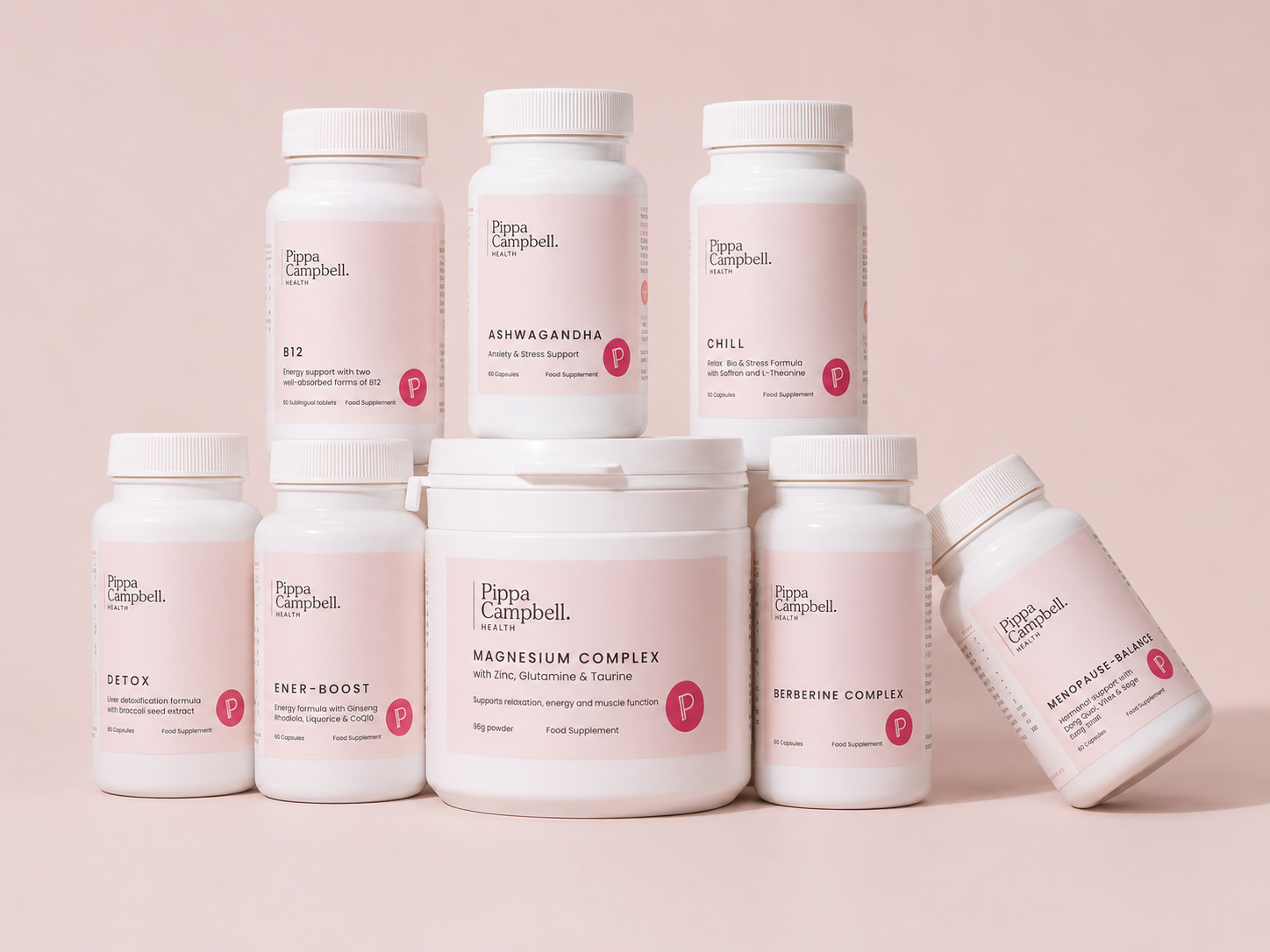
Consider taking supplements such as my new Peri-Balance supplement, a unique blend of plant extracts, minerals and vitamins plus an adrenal glandular all designed to smooth the journey of hormonal change for women over the age of 35.
Also magnesium is needed for hormone production. Magnesium and taurine found in my PCH Magnesium Complex is one of my favourite combinations for women in Perimenopause.
Summary
It’s important to remember that menopause is associated with changes in metabolism, reduced bone density, and an increased risk of heart disease. Many women also experience unpleasant menopause symptoms such as hot flashes and sleep problems during this time.
A diet rich in whole foods including fruits, vegetables, whole grains, and high quality protein may help reduce menopause symptoms. Consuming phytoestrogens and healthy fats like omega-3 fatty acids from fish can also be beneficial.
It’s advisable to limit your intake of added sugars, processed high-carb foods, alcohol, caffeine, and high-sodium foods. Making these dietary changes might help ease this important transition in your life.