Sex Hormone Binding Globulin (SHBG) is a crucial carrier protein, predominantly synthesised in the liver. Its primary role is to bind to testosterone, DHT, and estradiol, facilitating their transportation throughout the body.
Maintaining balanced SHBG levels is essential for optimal health. Elevated SHBG can reduce the bioavailability of testosterone, impacting sexual function, fertility, and bone density, and potentially increasing the risk of certain cancers. Conversely, low SHBG levels are often associated with conditions like obesity, type 2 diabetes, high blood pressure, and hypothyroidism.
Given SHBG’s critical function in regulating hormone delivery to tissues, it’s vital to keep your levels within the normal range: 10-57 nmol/L for men and 18-144 nmol/L for women.
In this Blog, we explore natural ways to balance SHBG levels, as a result enhancing your hormonal health. We cover strategies to lower high SHBG levels and methods to increase low SHBG levels.
When SHBG levels are high, it means that there is less free testosterone or sometimes oestrogen available in the body. Symptoms of high SHBG are similar to those of low oestrogen and testosterone and may include: decreased libido, irregular or missed periods, fatigue, vaginal dryness, decreased muscle and bone mass, depression, and mood disorders.
Strategies to Lower Excess SHBG Levels
1. Eat More Cruciferous Vegetables
Incorporating cruciferous vegetables like broccoli, broccoli sprouts, cauliflower, Brussels sprouts, cabbage, curly kale, and bok choy into your diet helps metabolise excess oestrogen and reduce SHBG levels.
2. Boost Protein Intake
Research consistently shows a link between protein intake and SHBG levels. Lower protein consumption is associated with higher SHBG levels, while higher protein intake can help reduce SHBG. Ensure you include quality protein in every meal, with a preference for grass-fed and organic sources if you consume meat.
3. Consider Supplements
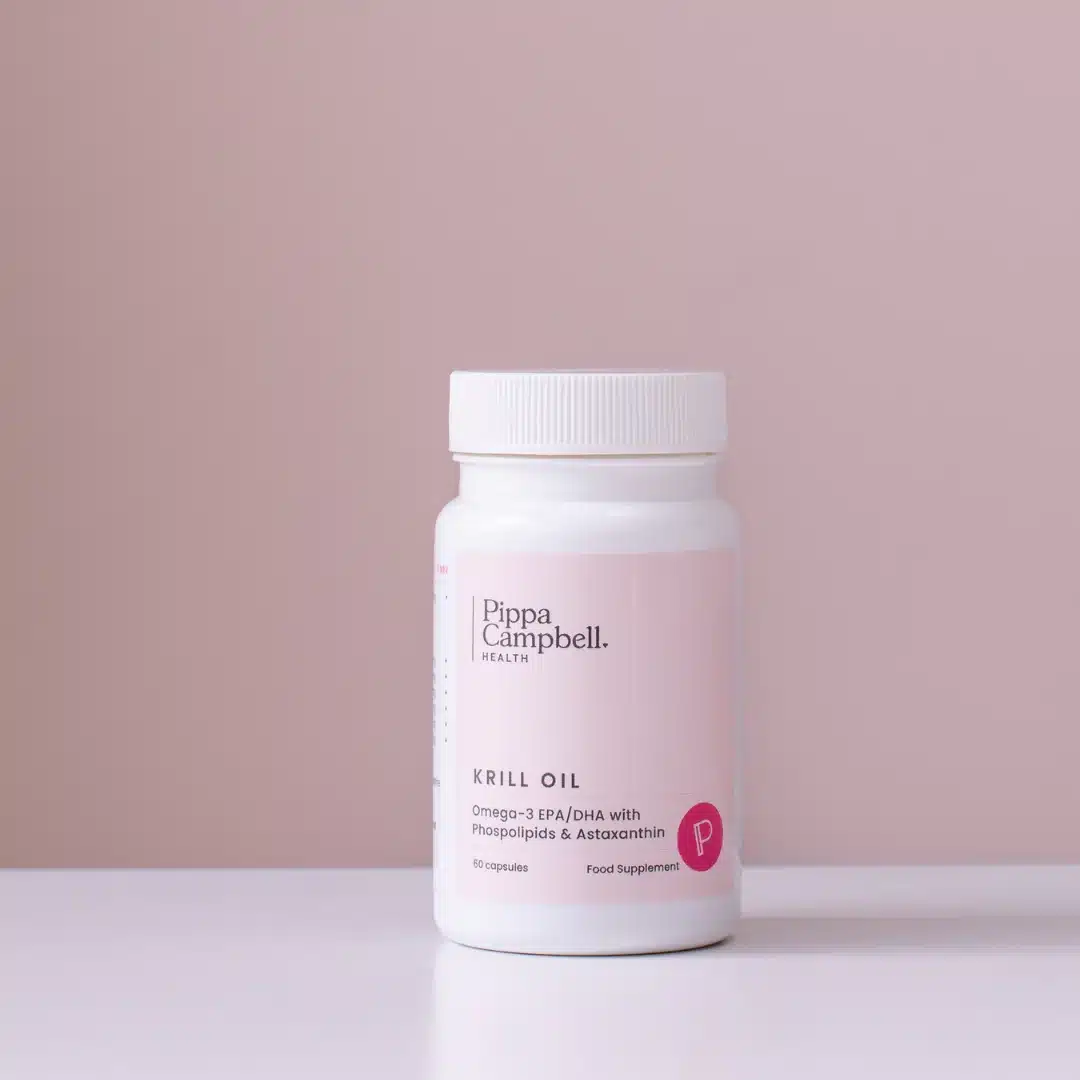
Although more research is needed, certain supplements show potential in lowering high SHBG levels. Consider taking PCH Magnesium Complex which includes 3 key forms of magnesium for optimal health. Also try PCH Vitamin D3 Complex – Adults need 15 micrograms (600 IU) of Vitamin D daily, but some may require more. This supplement can also benefit those with thyroid conditions, high blood pressure, and other health concerns. And PCH Krill (omega 3 complex) because fish oils have a weak estrogenic effect, they may act as an anti-estrogen, which could help lower your SHBG levels.
Methods to Increase Low SHBG Levels
Reducing daily calorie intake and incorporating exercise into your routine can effectively boost SHBG production. A 12-month study revealed that participants who followed a reduced-calorie diet saw a 22.4% increase in serum SHBG, with an even more significant 25.8% increase observed in those who combined diet with regular exercise. Notably, greater weight loss correlated with more substantial effects on oestrogen and SHBG levels.
Additionally, plant protein and caffeine intake have been found to positively influence SHBG levels.
Conclusion
SHBG is often an overlooked marker of health, but it plays a crucial role in regulating hormone availability and overall hormonal balance. The only way to truly understand your SHBG levels is through proper testing—so if you suspect something may be off, it’s important to talk with your doctor.
Managing SHBG isn’t just about chasing numbers or masking symptoms; it’s about taking a holistic approach to your health. This includes thoughtful changes in diet, regular physical activity, and making smart choices with supplements. Additionally, balancing your hormones—like oestrogen, testosterone, and insulin—can naturally help bring SHBG levels into a healthier range. When your hormones are in harmony, SHBG tends to follow suit, contributing to better energy, mood, metabolism, and overall wellness.
Take a look at the 5 simple steps to balancing your hormones in our free hormone training video here
By addressing SHBG from a whole-body perspective, you’re not just improving lab results—you’re investing in your long-term health.
Products Featured In This Blog
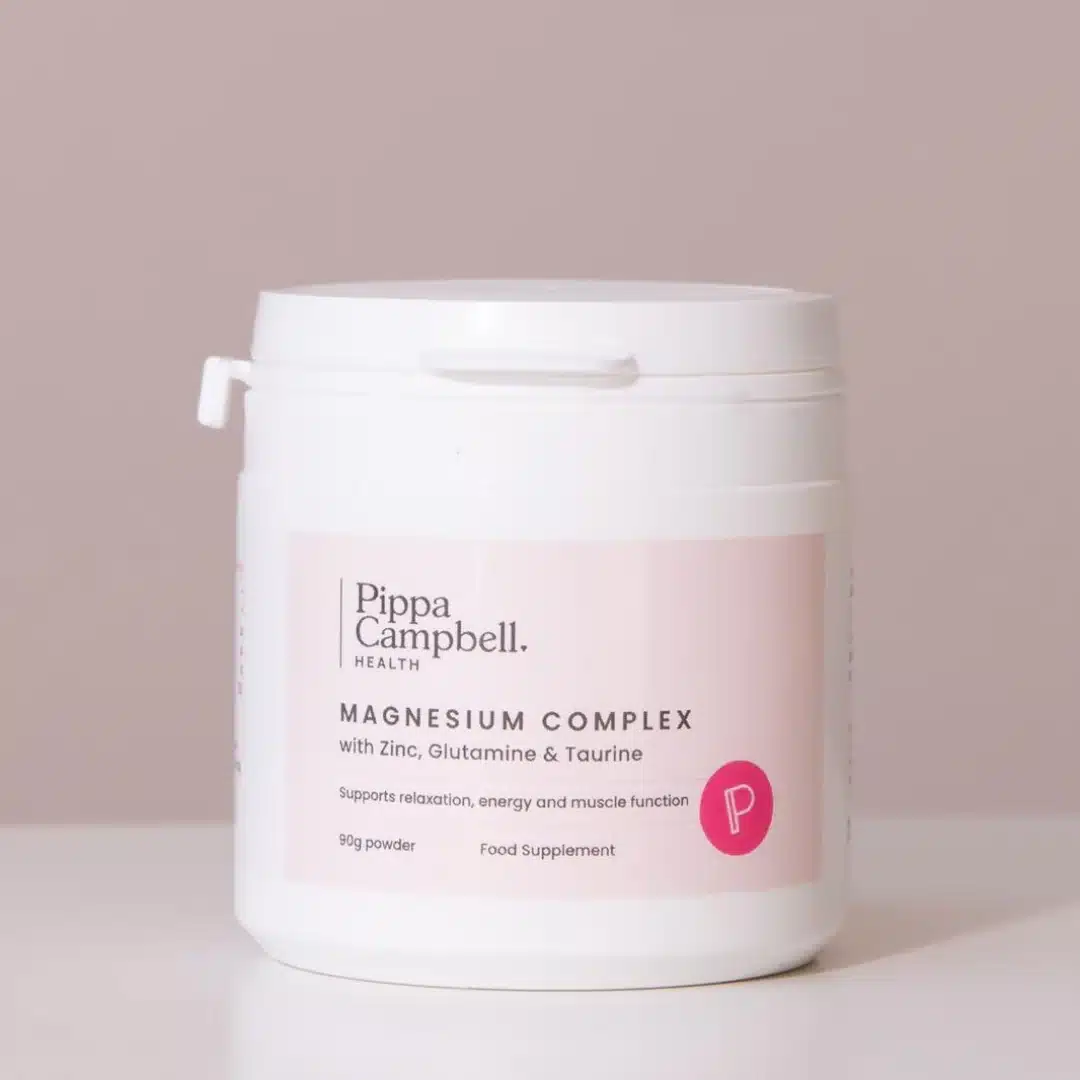
Magnesium Complex
£41.99
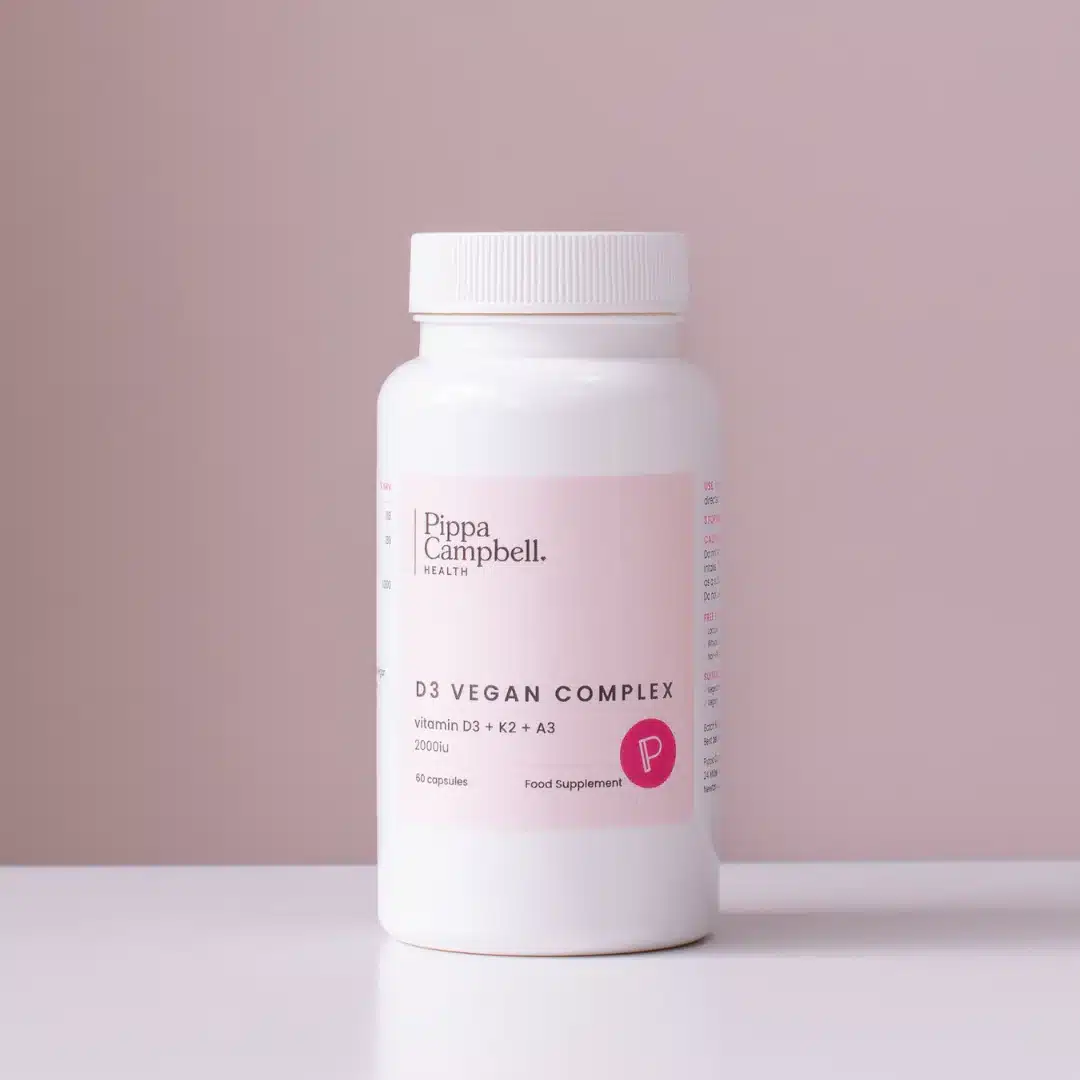
D3 Vegan Complex
£35.99